Latest Updates Click Here


Common Dental Clinic Cleaning Mistakes That Compromise Safety
Common dental cleaning mistakes that compromise clinic safety and infection control. Learn how to avoid risks and maintain compliance in dental practices.
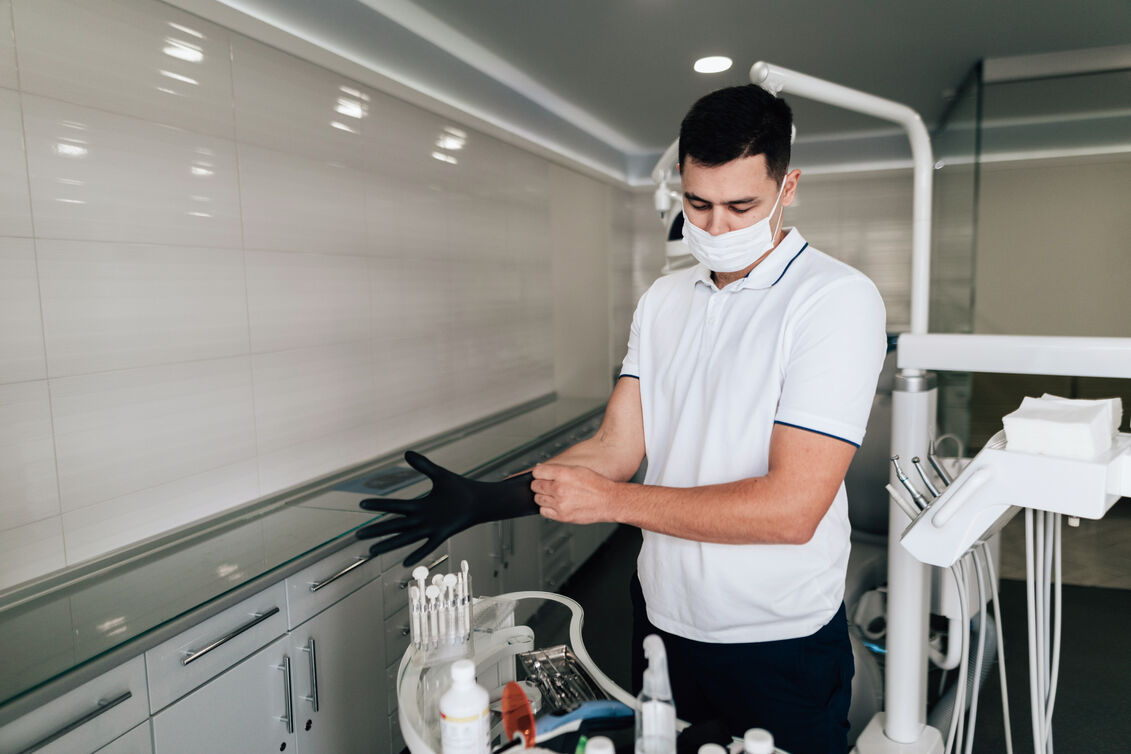
Maintaining a clean dental clinic is essential for patient trust, staff wellbeing, and regulatory compliance. However, even well-intentioned practices can fall short if cleaning is not carried out correctly. Many safety risks arise not from a lack of cleaning, but from common dental cleaning mistakes that undermine infection control standards. Understanding and avoiding these errors helps dental clinics maintain a safe, professional environment where Madani cleaning service can help to maintain these factors.
Why Cleaning Accuracy Matters in Dental Clinics
Dental clinics deal with saliva, blood, aerosols, and sharp instruments daily. Poor cleaning practices increase the risk of cross-contamination, healthcare-associated infections (HAIs), and non-compliance with health regulations. Small oversights can quickly become serious safety concerns.

Common Dental Cleaning Mistakes That Put Safety at Risk
1. Inconsistent Cleaning Schedules
Irregular cleaning routines allow bacteria and biofilm to develop on surfaces and equipment.
Common issues include:
-
Skipping end-of-day deep cleaning
-
Not documenting cleaning tasks
-
Relying on ad-hoc cleaning during busy periods
A structured schedule ensures all areas receive consistent attention.
2. Neglecting High-Touch Surfaces
Door handles, dental chairs, light switches, keyboards, and drawer handles are touched frequently but often overlooked.
Risks include:
-
Rapid spread of pathogens
-
Increased cross-infection between patients and staff
High-touch points should be disinfected multiple times daily.
3. Using Incorrect Cleaning Products
Not all cleaning products are suitable for clinical environments. Using domestic cleaners instead of medical-grade disinfectants reduces effectiveness.
This is one of the most common dental cleaning mistakes, as inappropriate chemicals may:
-
Fail to kill harmful microorganisms
-
Damage dental equipment
-
Leave unsafe residues
Always use products approved for healthcare settings.

4. Poor Instrument Decontamination Practices
Improper cleaning of dental instruments before sterilisation compromises the entire infection control process.
Typical errors include:
-
Skipping pre-cleaning steps
-
Overloading ultrasonic cleaners
-
Inadequate drying before sterilisation
Strict adherence to decontamination protocols is essential.
5. Cross-Contamination During Cleaning
Using the same cloths, mops, or gloves across multiple areas spreads contaminants rather than removing them.
Key mistakes include:
-
Cleaning treatment rooms and reception areas with the same tools
-
Not colour-coding cleaning equipment
-
Reusing disposable wipes
Single-use or area-specific tools reduce this risk significantly.
6. Ignoring Floors and Low-Level Areas
Floors, skirting boards, and under dental chairs accumulate aerosols and debris but are often cleaned superficially.
Neglecting these areas:
-
Allows bacteria to settle
-
Increases slip hazards
-
Creates an unprofessional appearance
Thorough floor cleaning should be part of daily routines.
7. Inadequate Staff Training
Even the best protocols fail if staff lack proper training.
Training gaps often lead to:
-
Incorrect dilution of disinfectants
-
Missed cleaning steps
-
Poor use of personal protective equipment (PPE)
Regular training ensures everyone follows the same high standards.
8. Forgetting Ventilation and Air Quality
Cleaning focuses heavily on surfaces, but air quality is equally important.
Common oversights include:
-
Not cleaning air vents
-
Poor maintenance of HVAC systems
-
Ignoring aerosol management
Good ventilation supports infection prevention efforts.
How to Avoid These Cleaning Mistakes
Dental clinics can reduce risks by:
-
Creating clear cleaning checklists
-
Using professional dental cleaning services
-
Conducting regular audits
-
Keeping written records for compliance
-
Updating protocols in line with current guidelines
Prevention starts with awareness and consistency.
Conclusion
Cleanliness in dental clinics goes beyond appearance—it directly impacts patient safety and regulatory compliance. Many risks stem from common dental cleaning mistakes such as inconsistent routines, incorrect products, and poor staff training. By identifying these errors and implementing structured, professional cleaning processes, dental practices can maintain a safer environment for patients and staff alike.
Frequently Asked Questions (FAQs)
1. Why are dental clinics at higher risk of infection?
Dental procedures generate aerosols and involve bodily fluids, increasing contamination risks.
2. How often should high-touch surfaces be cleaned?
High-touch surfaces should be disinfected several times daily, especially between patients.
3. Can domestic cleaners be used in dental clinics?
No. Clinics should use healthcare-approved disinfectants for effective infection control.
4. What is the biggest cleaning mistake in dental practices?
Inconsistent cleaning schedules and missed high-risk areas are among the most common.
5. Is professional cleaning necessary for dental clinics?
Yes. Professional cleaners ensure compliance, consistency, and reduced infection risks.
Share On :
Tweet | LinkedIn | |