Latest Updates Click Here


How Often Should Dental Clinics Be Professionally Cleaned?
The ideal dental clinic cleaning frequency, including daily, weekly, and deep cleaning schedules to maintain hygiene, safety, and compliance.
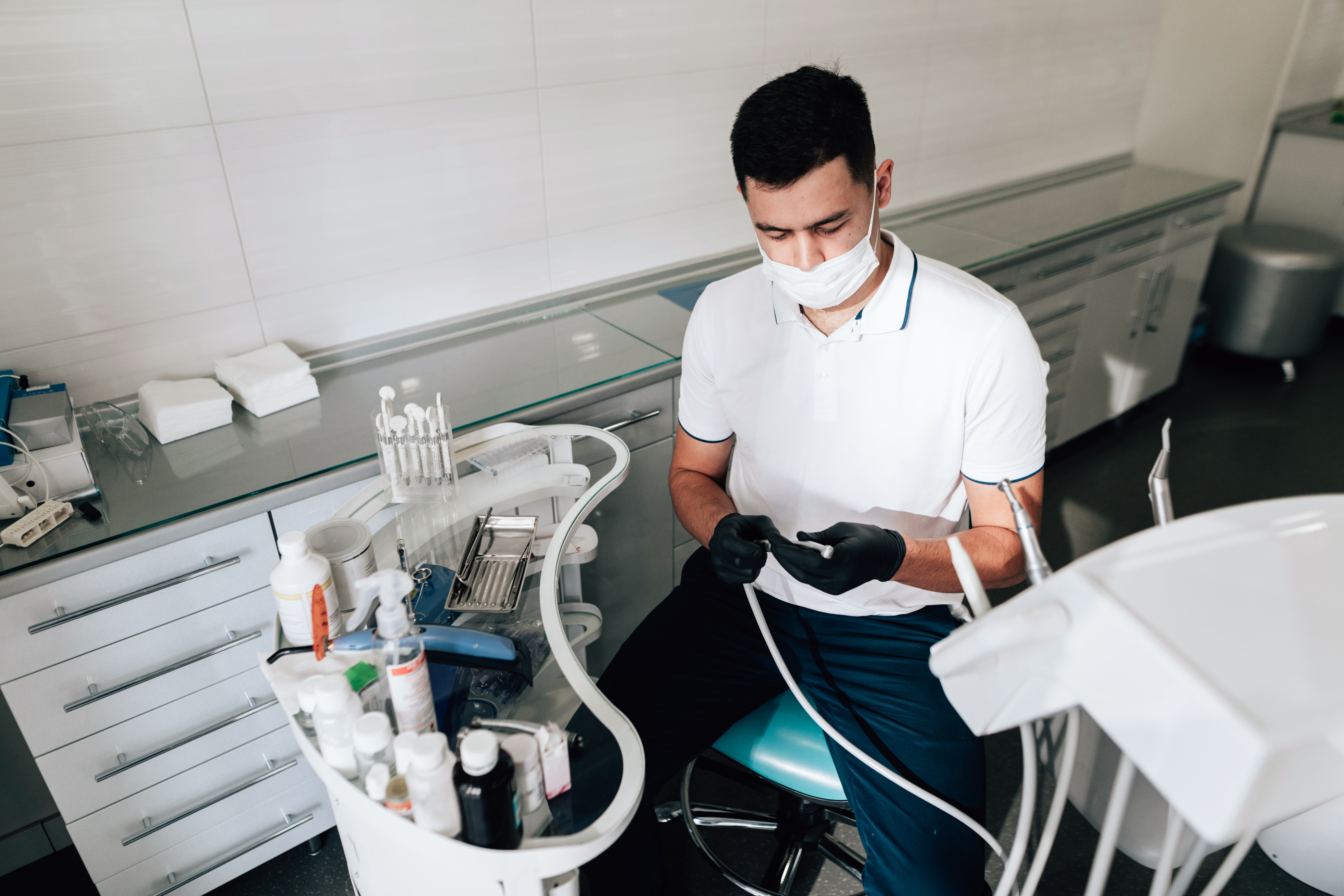
Maintaining a clean dental clinic is not only about appearance. It is a critical part of infection control, patient safety, and regulatory compliance. Dental environments are exposed to saliva, blood, aerosols, and high-touch surfaces throughout the day. For this reason, understanding the correct dental clinic cleaning frequency is essential for every practice owner and manager.
This guide explains how often professional cleaning is required, what areas need the most attention, and how expert cleaners support safe dental operations.

Why Professional Cleaning Matters in Dental Clinics
Dental clinics are classified as high-risk healthcare settings. Inadequate cleaning can lead to:
-
Cross-contamination between patients
-
Increased risk of healthcare-associated infections
-
Failure to meet health and safety regulations
-
Loss of patient trust and reputation
While daily in-house cleaning is essential, it cannot replace the depth and consistency of professional cleaning services.
 Recommended Dental Clinic Cleaning Frequency
The correct dental clinic cleaning frequency depends on patient volume, procedures performed, and clinic size. However, general best-practice guidelines apply to most dental practices.
Daily Professional-Level Cleaning Tasks
Even with staff cleaning during the day, professional cleaners should address:
-
Clinical floors and corridors
-
Dental chairs and surrounding areas
-
Waiting rooms and reception desks
-
Toilets and staff break areas
-
Waste disposal zones
These tasks help maintain hygiene standards and reduce microbial build-up.
Weekly Professional Cleaning Requirements
Weekly deep cleaning supports daily routines and targets overlooked areas. A suitable dental clinic cleaning frequency includes weekly professional attention to:
-
Skirting boards and wall edges
-
Doors, handles, and light switches
-
Staff lockers and storage units
-
Ventilation grilles and air outlets
This prevents gradual contamination and improves indoor air quality.
Monthly and Periodic Deep Cleaning
Certain areas require less frequent but more intensive cleaning. Professional cleaners should schedule:
-
Monthly steam or machine floor cleaning
-
Deep cleaning of carpets and upholstery
-
High-level dusting of ceilings and fittings
-
Detailed decontamination of non-clinical zones
A structured dental clinic cleaning frequency plan ensures no area is neglected over time.
High-Risk Areas That Need Increased Attention
Some zones require more frequent professional cleaning due to exposure risks:
-
Treatment rooms
-
Instrument decontamination areas
-
Suction and spittoon zones
-
X-ray rooms
Professional cleaners use approved disinfectants and colour-coded systems to avoid cross-contamination.
How Patient Volume Affects Cleaning Frequency
The more patients a clinic treats, the higher the cleaning demand. Clinics with:
-
Multiple dentists operating daily
-
Extended opening hours
-
Surgical or implant services
often require daily or even twice-daily professional cleaning. Reviewing dental clinic cleaning frequency regularly ensures it aligns with real operational demands.
Compliance With Health and Safety Regulations
Professional cleaning supports compliance with:
-
Infection prevention guidelines
-
Workplace health and safety standards
-
Dental board and council inspections
Documented cleaning schedules and logs are often required during audits, making professional services a valuable compliance tool.
Why Choose a Professional Dental Cleaning Service
A specialist provider understands clinical risks and uses:
-
Medical-grade disinfectants
-
Trained healthcare cleaning staff
-
Standardised cleaning checklists
-
Quality control inspections
Many practices trust Madani Cleaning Service because they tailor cleaning schedules to match dental clinic workflows while maintaining strict hygiene standards.
Creating a Cleaning Schedule That Works
An effective cleaning plan should include:
-
Daily professional cleaning
-
Weekly detailed cleaning tasks
-
Monthly deep cleaning sessions
-
Emergency cleaning support if needed
Review the dental clinic cleaning frequency every six months or after service expansion.
Conclusion
There is no single rule for how often dental clinics should be professionally cleaned, but best practice is clear. Daily professional cleaning combined with weekly and monthly deep cleans provides the highest level of safety and compliance. By following the correct dental clinic cleaning frequency, clinics protect patients, staff, and their professional reputation.
Partnering with an experienced provider ensures cleaning standards remain consistent, compliant, and reliable at all times.
Frequently Asked Questions
1. How often should a dental clinic be professionally cleaned?
Daily professional cleaning is recommended, with weekly and monthly deep cleaning.
2. Can staff cleaning replace professional cleaners?
No. Staff cleaning supports hygiene but does not replace professional-grade cleaning.
3. Do small dental clinics need daily cleaning?
Yes. Even small clinics face high infection risks and need daily cleaning.
4. What areas need the most frequent cleaning?
Treatment rooms, waiting areas, toilets, and high-touch surfaces.
5. How do I know if my cleaning frequency is sufficient?
Regular audits, inspections, and professional advice help assess effectiveness.
Share On :
Tweet | LinkedIn | |