Latest Updates Click Here


How Regular Deep Cleaning Prevents Biofilm Build-Up in Clinics
How regular deep cleaning prevents biofilm build-up in dental clinics, improves infection control, and protects patient safety. Professional Australia guidance.
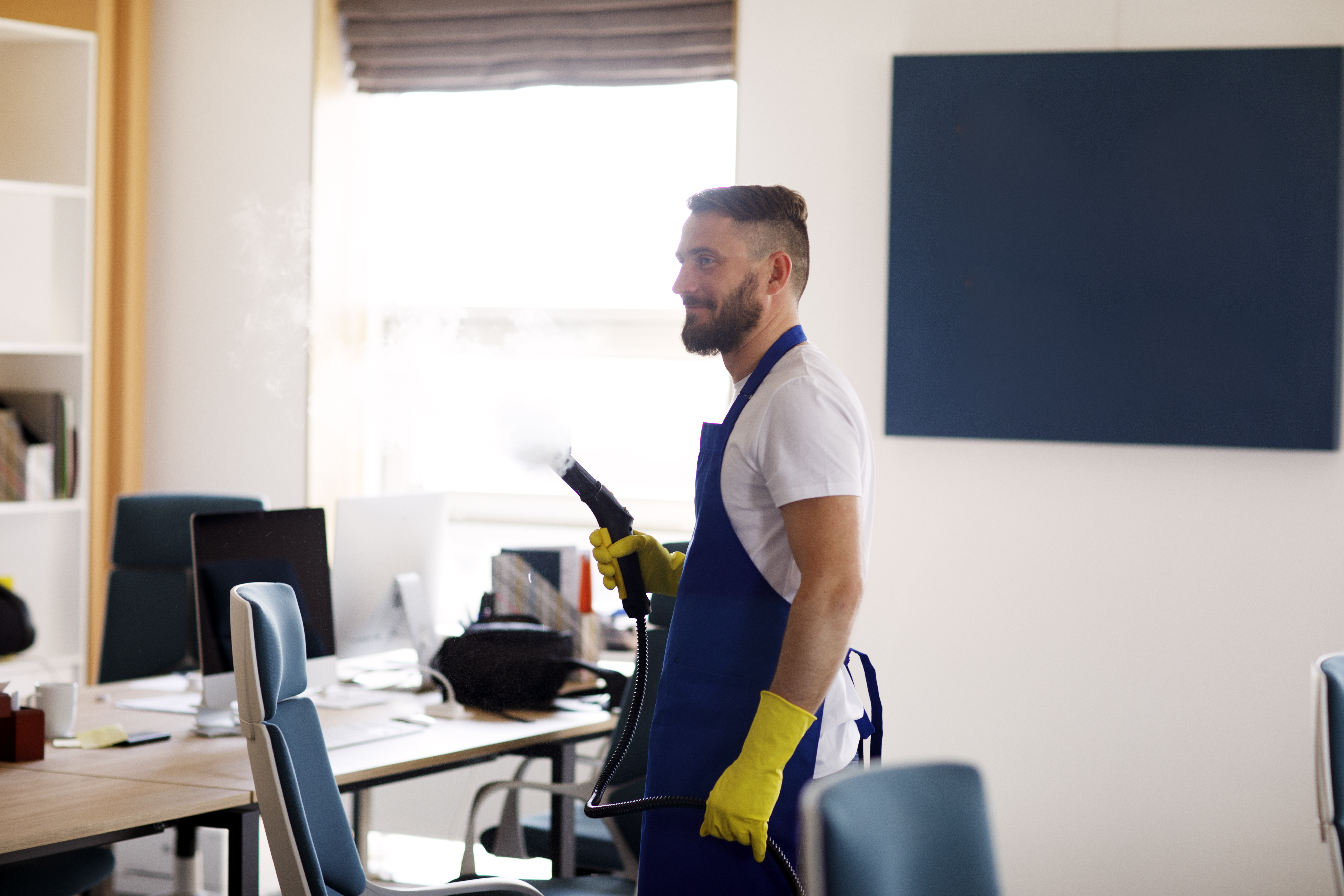
Biofilm is one of the most persistent hygiene challenges in clinical environments, particularly in dental settings. It forms when bacteria attach to moist surfaces and create a protective layer that routine cleaning alone may not remove. Regular deep cleaning plays a critical role in disrupting this process, protecting patients, staff, and clinical equipment. Madani cleaning service explains how deep cleaning works, why it matters, and how clinics can use it to maintain high infection control standards.
What Is Biofilm and Why Is It a Risk in Clinics?
Biofilm is a structured community of microorganisms enclosed in a self-produced matrix. In clinics, it commonly develops on:
-
Dental unit waterlines
-
Suction systems
-
Sinks and drainage areas
-
Hard-to-reach surfaces and equipment joints
Once established, biofilm can harbour harmful pathogens and resist disinfectants. This increases the risk of cross-contamination and healthcare-associated infections, especially in dental and surgical clinics.

Why Routine Cleaning Is Is Not Enough
Daily surface cleaning is essential, but it mainly removes visible dirt and loose bacteria. Biofilm, however, adheres firmly to surfaces and continues to grow beneath the surface layer.
Limitations of routine cleaning include:
-
Inability to penetrate biofilm layers
-
Reduced effectiveness of standard disinfectants
-
Missed areas such as internal tubing and drains
This is why clinics need scheduled deep cleaning to fully address the problem.

How Deep Cleaning Disrupts Biofilm Formation
Deep cleaning targets both visible and hidden contamination. It uses specialised techniques, products, and equipment designed to break down biofilm structures.
Key ways deep cleaning helps:
-
Mechanical action removes biofilm from surfaces and internal systems
-
Clinical-grade disinfectants penetrate protective bacterial layers
-
Thorough coverage ensures neglected areas are cleaned
-
System flushing reduces biofilm in waterlines and suction units
When performed regularly, deep cleaning helps prevent biofilm build-up in dental clinics by stopping bacteria from re-establishing colonies.
High-Risk Areas That Require Deep Cleaning
Certain areas in clinics are more prone to biofilm due to moisture and frequent use.
These include:
-
Dental chair waterlines and handpiece tubing
-
Saliva ejectors and suction hoses
-
Sinks, taps, and drainage points
-
Instrument reprocessing areas
-
Floor joints and wall corners near wet zones
Deep cleaning schedules should prioritise these locations to maintain hygiene standards.
Benefits of Regular Deep Cleaning for Clinics
Investing in regular deep cleaning delivers long-term benefits beyond basic cleanliness.
Main advantages include:
-
Reduced risk of infection and cross-contamination
-
Improved compliance with UK infection control guidelines
-
Extended lifespan of dental and clinical equipment
-
Increased patient trust and confidence
-
A safer working environment for staff
These outcomes support both clinical safety and professional reputation.
How Often Should Clinics Schedule Deep Cleaning?
The frequency of deep cleaning depends on clinic size, patient volume, and services offered. However, best practice generally includes:
-
Daily routine cleaning
-
Weekly targeted deep cleaning of high-risk zones
-
Monthly or quarterly comprehensive deep cleaning
Working with professional clinical cleaning services ensures consistency and compliance with healthcare standards.
Role of Professional Cleaning Services
Professional cleaners trained in clinical environments understand biofilm risks and infection control requirements. They use approved products and follow structured protocols to ensure thorough results.
Professional deep cleaning offers:
-
Expertise in dental and medical settings
-
Access to specialised equipment
-
Documented cleaning processes for audits
-
Reliable, repeatable hygiene outcomes
This level of care is difficult to achieve with in-house cleaning alone.
Conclusion
Biofilm poses a serious but manageable risk in clinical environments. Regular deep cleaning is essential to disrupt biofilm formation, protect patients, and maintain compliance with hygiene regulations. By focusing on high-risk areas and using professional-grade methods, clinics can significantly reduce contamination risks and maintain a safe, professional setting.
Frequently Asked Questions
1. What is biofilm in a dental clinic?
Biofilm is a layer of bacteria that sticks to moist surfaces such as waterlines and drains.
2. Can disinfectants alone remove biofilm?
No. Biofilm often resists standard disinfectants without mechanical deep cleaning.
3. How does deep cleaning help infection control?
It removes hidden bacteria, reducing the risk of cross-contamination.
4. How often should dental clinics deep clean?
High-risk areas should be deep cleaned weekly, with full deep cleans monthly or quarterly.
5. Is professional deep cleaning necessary?
Yes. Professionals use specialised methods to remove biofilm effectively and safely.
Share On :
Tweet | LinkedIn | |