Latest Updates Click Here


Manual vs Automatic Samosa Making Machines in Pakistan Guide
Manual samosa machines are cost-effective for small businesses, while automatic machines boost large-scale production with consistency and efficiency. Choose based on budget and growth needs.
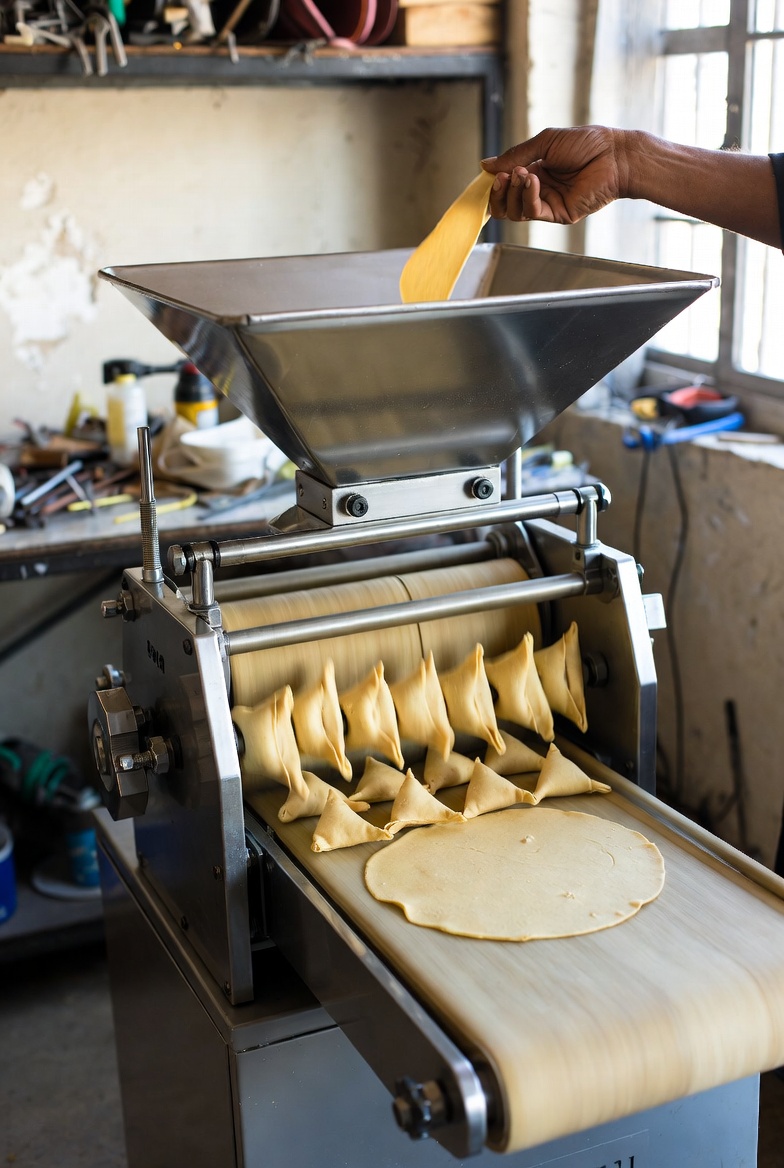
The food industry in Pakistan is rapidly evolving, and traditional snacks like samosas remain in constant demand. Whether it’s a street vendor, bakery, or frozen food brand, efficiency in production has become essential. This is where a samosa making machine plays a crucial role. However, choosing between manual and automatic options can be challenging for business owners.
Understanding the differences between these machines will help you make a more informed and profitable decision.
Manual Samosa Making Machines for Small Businesses and Startups
Manual samosa making machines are commonly used by small-scale vendors and startups in Pakistan. These machines assist in shaping and sealing samosas but still require human effort for filling and handling.
One of the main advantages of manual machines is their affordability. They are budget-friendly, making them ideal for entrepreneurs who are just starting their food business. Additionally, these machines are easy to operate and do not require advanced technical skills or heavy maintenance.
Manual machines also offer flexibility. You can easily adjust the filling, size, and style of samosas according to customer preferences. However, the production speed is relatively slow. Since much of the process depends on labor, it can be difficult to meet high customer demand, especially during busy hours like Ramadan or evening rush times.
Automatic Samosa Making Machines for Large-Scale Production
Automatic samosa making machines are designed for high-volume production. These machines handle almost every step of the process, including dough preparation, filling, folding, and shaping.
For medium to large food businesses in Pakistan, automatic machines provide a significant advantage. They can produce hundreds or even thousands of samosas per hour with consistent size and quality. This consistency is particularly important for branding and customer satisfaction.
Although automatic machines require a higher initial investment, they help reduce labor costs over time. They also minimize human error and wastage, improving overall efficiency. However, they may require trained operators and regular maintenance to ensure smooth performance.
Key Differences Between Manual and Automatic Machines
When comparing manual vs automatic samosa making machines, the biggest difference lies in production capacity. Manual machines are suitable for limited output, while automatic machines are built for mass production.
Cost is another major factor. Manual machines are low-cost and accessible, whereas automatic machines are more expensive but offer better long-term returns. In terms of consistency, automatic machines clearly outperform manual ones by delivering uniform samosas every time.
Maintenance and operation also vary. Manual machines are simple and easy to manage, while automatic machines may need technical support and a stable power supply.
Which Option is Better for Your Business in Pakistan?
The right choice depends on your business model and growth plans. If you are running a small stall, home-based kitchen, or a newly launched food setup, a manual samosa making machine is a practical and economical option.
On the other hand, if you own a restaurant, catering service, or frozen food company, investing in an automatic samosa making machine can significantly increase your production capacity and profits.
Final Thoughts on Choosing the Right Machine
Both manual and automatic samosa making machines have their own benefits. Manual machines are ideal for low-budget and small-scale operations, while automatic machines are perfect for businesses aiming for growth and large-scale production.
Before making a decision, analyze your daily production needs, available budget, and future expansion goals. The right investment in a samosa making machine in Pakistan can improve efficiency, maintain product quality, and help you scale your food business successfully.
Share On :
Tweet | LinkedIn | |