Latest Updates Click Here


Essential Security Features Every Centralized Crypto Exchange Needs
Explore the essential security features every centralized crypto exchange needs to ensure safe, scalable, and reliable crypto trading operations.
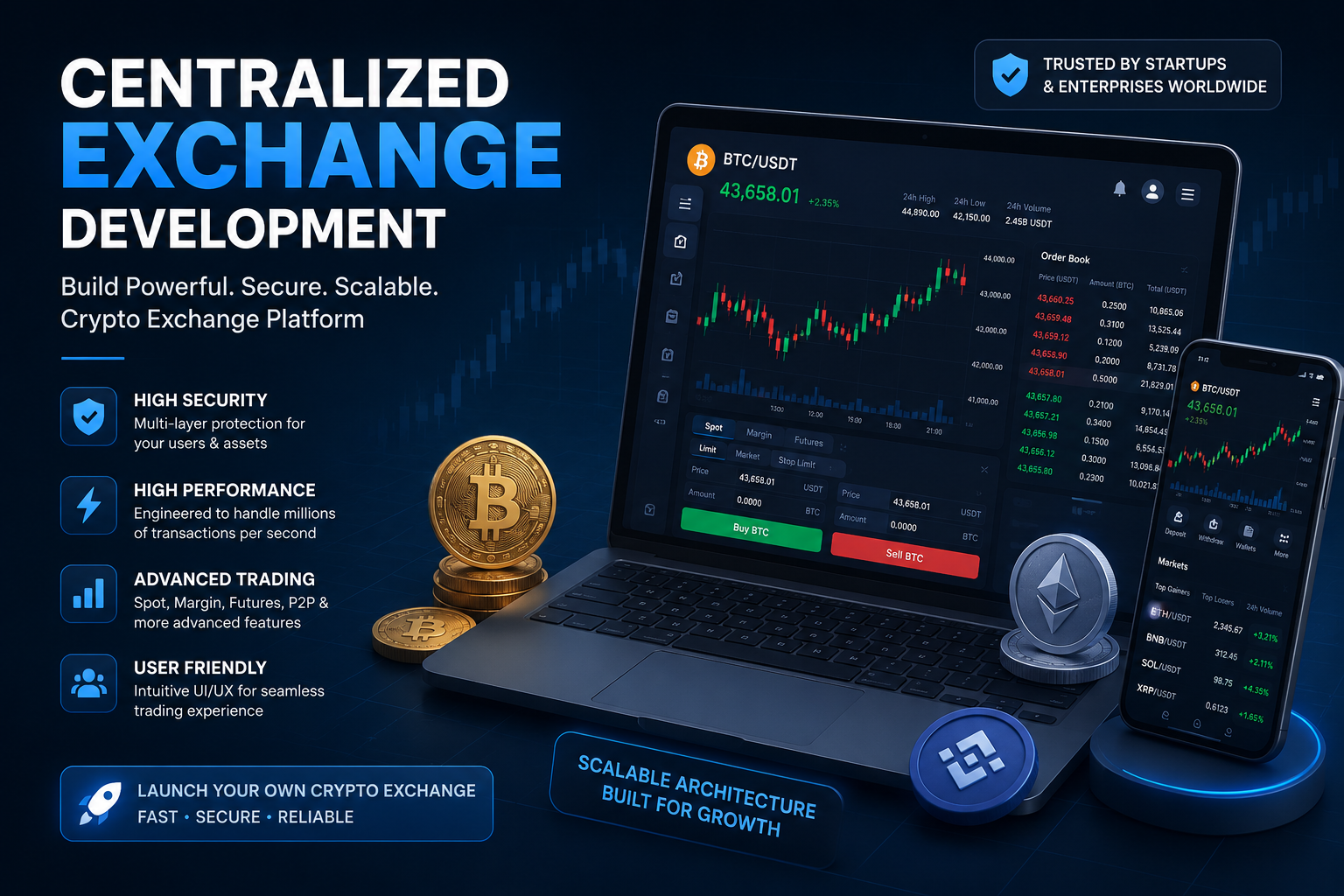
Security is the foundation of every successful cryptocurrency exchange platform. In the rapidly growing blockchain industry, users expect crypto exchanges to protect their digital assets, personal information, and trading activities from cyber threats. A single security breach can damage a platform’s reputation, reduce user trust, and lead to major financial losses.
As the crypto market becomes more competitive, businesses investing in centralized exchange development must prioritize advanced security architecture from the beginning. Modern traders no longer choose exchanges based only on trading features or low fees. They also evaluate how secure the platform is before trusting it with their funds.
In 2026, secure infrastructure is one of the biggest competitive advantages for any centralized cryptocurrency exchange platform.
Why Security Matters in Centralized Exchange Development
Unlike decentralized platforms, centralized exchanges manage user funds, trading systems, wallets, and transaction processing internally. This makes them attractive targets for hackers and cybercriminals.
A secure crypto exchange platform protects users against:
- Unauthorized access
- Wallet breaches
- Data theft
- Phishing attacks
- Fake transactions
- API vulnerabilities
- Trading manipulation
Professional crypto exchange development companies focus heavily on implementing enterprise-grade protection systems to ensure long-term platform stability and user trust.
Multi-Factor Authentication Improves Account Protection
One of the most important features in centralized exchange software development is multi-factor authentication (MFA). This security layer requires users to verify their identity through multiple methods before accessing accounts.
Most exchanges use:
- OTP verification
- Authenticator apps
- Email verification
- Biometric authentication
MFA significantly reduces the risk of unauthorized account access and strengthens overall platform security.
Cold Wallet Storage Secures User Funds
Cold wallet storage is essential for protecting cryptocurrency assets from online attacks. Instead of storing all user funds in hot wallets connected to the internet, advanced exchanges store most assets offline.
Cold wallets help prevent:
- Remote hacking attempts
- Malware attacks
- Unauthorized fund transfers
- Exchange wallet exploitation
Modern centralized exchange development services often use a combination of hot and cold wallets to balance security and transaction speed.
Advanced Encryption Protects Sensitive Data
Data encryption plays a major role in crypto exchange platform development. User information such as passwords, wallet addresses, transaction history, and payment details must remain protected from cyber threats.
High-level encryption protocols help secure:
- User credentials
- API communications
- Payment gateways
- Trading activity
- Internal databases
A secure crypto exchange development company ensures end-to-end encryption across the entire platform infrastructure.
AI-Based Fraud Detection Is Becoming Essential
Artificial intelligence is transforming centralized exchange development by improving real-time fraud monitoring and risk analysis.
AI-powered systems can quickly identify:
- Suspicious login attempts
- Unusual transaction behavior
- High-risk trading patterns
- Bot activity
- Money laundering risks
Automated monitoring tools allow exchanges to respond to threats instantly before they cause major damage.
As crypto fraud techniques become more advanced, AI-driven security systems are becoming a standard feature in modern crypto exchange software.
KYC and AML Compliance Strengthen Platform Trust
Regulatory compliance is now one of the most important aspects of centralized cryptocurrency exchange development.
KYC (Know Your Customer) and AML (Anti-Money Laundering) systems help exchanges:
- Verify user identity
- Prevent illegal transactions
- Detect suspicious activities
- Meet government regulations
- Improve user trust
Exchanges without proper compliance systems may face legal challenges and struggle to scale internationally.
Professional CEX development companies integrate compliance frameworks directly into the exchange architecture to ensure smooth operations.
DDoS Protection Prevents Platform Downtime
Distributed Denial-of-Service (DDoS) attacks are common threats targeting crypto trading platforms. These attacks overload servers with massive traffic requests, causing platform slowdowns or complete outages.
To ensure uninterrupted trading experiences, centralized exchange platforms require:
- Cloud-based traffic filtering
- Load balancing systems
- Real-time threat detection
- Scalable server infrastructure
Reliable DDoS protection improves platform stability during high trading activity and cyberattack attempts.
Secure APIs Improve Exchange Performance
Modern crypto exchanges rely heavily on APIs for:
- Trading integrations
- Liquidity management
- Payment gateways
- Third-party applications
- Market data access
However, insecure APIs can create serious vulnerabilities.
Secure API architecture includes:
- Encrypted communication
- Access token management
- IP whitelisting
- Rate limiting
- Activity monitoring
A professionally built crypto exchange development solution ensures all APIs follow strict security standards.
Role-Based Access Control Enhances Internal Security
Internal security is equally important in centralized exchange software development. Exchanges often have multiple administrators, support teams, and technical staff managing the platform.
Role-based access control (RBAC) helps restrict system access based on employee responsibilities. This minimizes the risk of internal misuse and unauthorized data exposure.
RBAC systems allow exchange owners to:
- Assign permission levels
- Restrict sensitive operations
- Monitor admin activity
- Improve accountability
This security layer is critical for enterprise-grade crypto exchange management.
Real-Time Monitoring Improves Threat Response
Continuous monitoring helps exchanges detect and respond to security threats immediately.
Real-time monitoring systems track:
- Trading behavior
- Wallet activity
- Login attempts
- Server performance
- API requests
Advanced monitoring tools reduce downtime, improve incident response speed, and strengthen platform reliability.
Why Businesses Need Professional CEX Development Services
Building a secure centralized crypto exchange requires deep technical expertise, blockchain knowledge, and advanced cybersecurity implementation.
An experienced centralized exchange development company provides:
- Secure trading engine architecture
- Wallet integration
- Liquidity management
- Compliance-ready systems
- AI-powered fraud protection
- Scalable infrastructure
- Ongoing maintenance and upgrades
Choosing the right crypto exchange development partner helps businesses avoid security vulnerabilities while creating a trustworthy trading ecosystem.
Final Thoughts
Security is no longer optional in centralized exchange development. As cyber threats continue evolving, crypto exchanges must adopt enterprise-grade protection systems to safeguard users and maintain long-term credibility.
From multi-factor authentication and cold wallet storage to AI-powered fraud detection and regulatory compliance, every security layer plays an important role in building a reliable trading platform.
Businesses entering the crypto industry should prioritize secure crypto exchange platform development from day one. A trusted and well-protected exchange not only attracts more users but also creates a strong foundation for future growth in the blockchain economy.
As the digital asset market expands globally, exchanges with advanced security infrastructure will lead the next generation of cryptocurrency trading platforms.
Share On :
Tweet | LinkedIn | |