Latest Updates Click Here


How Can Reporting Software Help You Track Food Costs?
Reporting software helps restaurants track food costs with real-time data on inventory, sales, and wastage—reducing losses, improving decisions, and boosting overall profitability through smarter, data-driven operations.
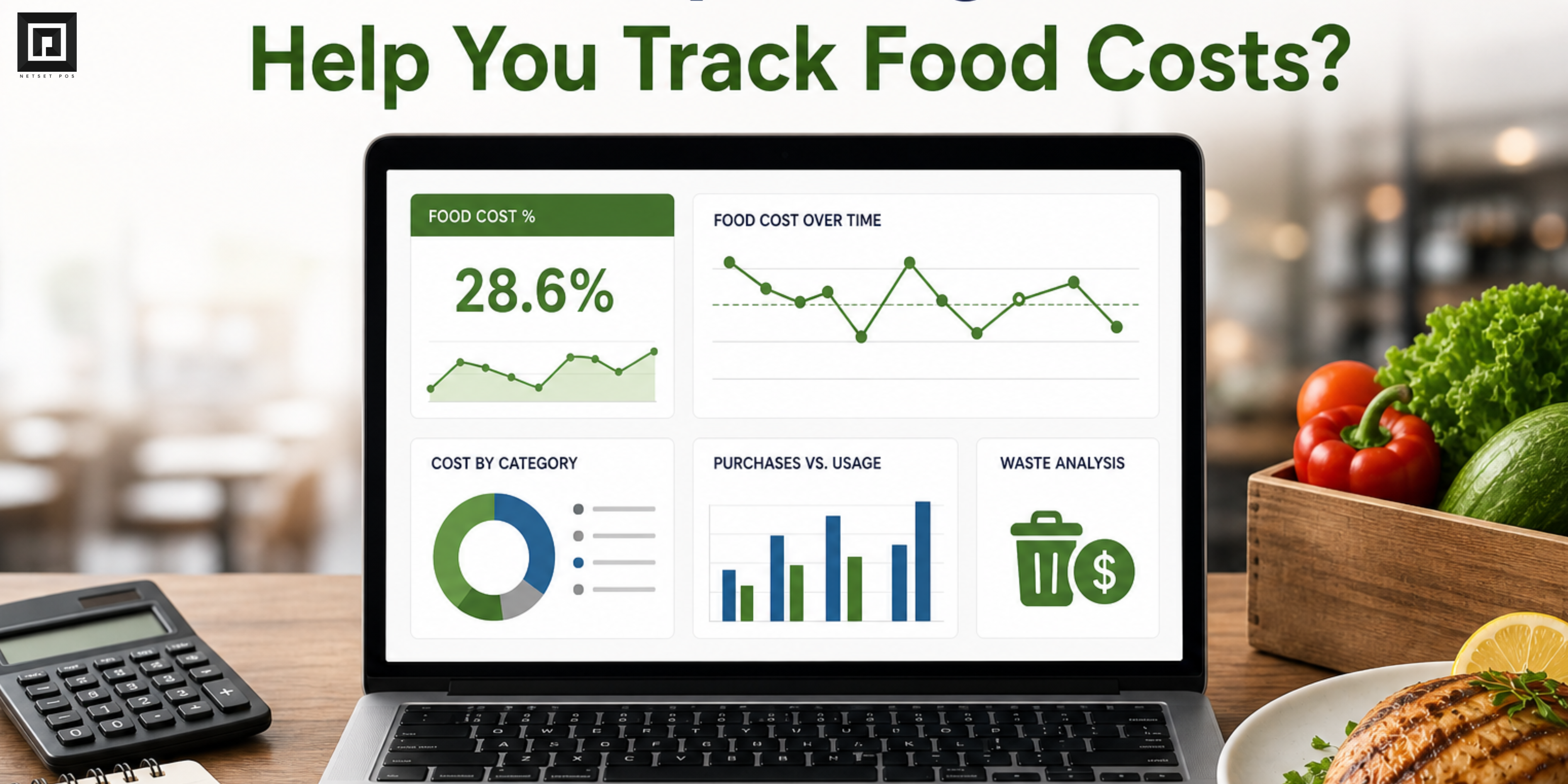
Running a restaurant is not just about serving delicious food—it’s about managing costs smartly. One of the biggest challenges restaurant owners face is controlling food costs. Even small inefficiencies in inventory, wastage, or pricing can significantly impact overall profit.
This is where reporting software becomes a game-changer. With the right tools in place, restaurant owners can gain clear insights into their operations and make data-driven decisions that improve efficiency and profitability.
Prefer Reading : What Is Restaurant POS Software? Features, Benefits & Trends
Understanding the Real Problem with Food Costs
Many restaurants struggle with food cost management because they rely on manual tracking or outdated systems. This often leads to:

-
Inaccurate inventory records
-
Unnoticed wastage
-
Over-ordering or under-ordering ingredients
-
Lack of visibility into daily expenses
Without proper tracking, it becomes difficult to identify where money is being lost. Over time, these small losses add up and affect the bottom line.
How Reporting Software Brings Clarity
Reporting software provides real-time insights into every aspect of your restaurant’s operations. Instead of guessing or relying on spreadsheets, you get accurate data that helps you understand exactly how your business is performing.
With modern POS software for restaurant India, reporting tools are integrated directly into your daily workflow. This means every sale, order, and inventory update is automatically recorded and analyzed.
As a result, you always know where your money is going.
Real-Time Inventory Tracking
One of the biggest advantages of reporting software is real-time inventory tracking. Every time an order is placed, the system automatically updates stock levels.
This helps you:
-
Avoid overstocking and spoilage
-
Identify fast-moving and slow-moving items
-
Reduce food wastage
-
Plan purchases more efficiently
Instead of manually counting stock at the end of the day, you can monitor everything in real time.
Identifying Food Cost Leakage
Food cost leakage is one of the most common issues in restaurants. It can happen due to portion inconsistencies, theft, or wastage.
Reporting software helps you detect these problems early by showing:
-
Variance between expected and actual inventory
-
Unusual consumption patterns
-
High wastage items
With these insights, you can take corrective actions quickly and prevent losses before they grow.
Smarter Menu Planning
Not all menu items are equally profitable. Some dishes may be popular but have low margins, while others bring higher profits.
Reporting software allows you to analyze:
-
Cost per dish
-
Profit margins
-
Sales performance
This helps you optimize your menu by focusing on high-performing items and adjusting or removing low-profit dishes.
Over time, this leads to better profitability without compromising customer satisfaction.
Better Integration with Kitchen Operations
Efficient kitchen operations play a crucial role in controlling food costs. With tools like Kitchen order ticket online, orders are sent directly to the kitchen without manual intervention.
This reduces:
-
Order errors
-
Miscommunication
-
Ingredient wastage
When orders are accurate and timely, the kitchen can operate more efficiently, leading to better cost control and improved service quality.
Improved Payment Tracking and Accuracy
A well-integrated restaurant payment system ensures that every transaction is recorded accurately. This eliminates discrepancies between sales and inventory.
When your payment system and reporting software work together, you can:
-
Track daily revenue precisely
-
Monitor peak sales hours
-
Identify payment trends
-
Reduce billing errors
This level of transparency helps you maintain better financial control over your business.
Data-Driven Decision Making
One of the biggest advantages of reporting software is the ability to make informed decisions. Instead of relying on assumptions, you can use real data to guide your strategy.
For example, you can:
-
Adjust pricing based on cost trends
-
Plan promotions for slow-moving items
-
Optimize supplier selection
-
Forecast demand more accurately
These small but impactful decisions can significantly improve your overall profitability.
Saving Time and Reducing Manual Work
Manual tracking not only increases the chances of errors but also consumes valuable time. Reporting software automates these processes, allowing you to focus on growing your business.
With everything available in one dashboard, you can:
-
Access reports instantly
-
Monitor performance from anywhere
-
Reduce dependency on manual calculations
This improves efficiency and ensures that your operations run smoothly.
A Smarter Way to Manage Your Restaurant
In today’s competitive market, relying on traditional methods is no longer enough. Restaurants need smart solutions that provide real-time insights and simplify operations.
This is where platforms like NetSet POS help businesses streamline reporting, improve accuracy, and gain better control over food costs without adding complexity.
Conclusion
Tracking food costs doesn’t have to be complicated. With the right reporting software, you can gain complete visibility into your restaurant operations, reduce wastage, and improve profitability.
From real-time inventory tracking to better payment management and kitchen efficiency, every aspect of your business becomes more organized and data-driven.
In the end, success in the restaurant industry is not just about serving great food—it’s about managing your resources wisely. And with the help of smart reporting tools, you can do exactly that.
FAQ
1. What is food cost in a restaurant and how is it calculated?
Food cost is the percentage of revenue spent on ingredients. It is calculated by dividing total food cost by total sales and multiplying by 100.
2. How can restaurants control rising food costs?
Restaurants can control costs by using reporting software, tracking inventory in real time, reducing wastage, and optimizing menu pricing.
3. Why is food cost tracking important for restaurants?
It helps maintain profitability, identify losses, control inventory, and ensure efficient kitchen operations.
4. What are the common causes of high food costs?
Major causes include food wastage, over-portioning, theft, poor inventory management, and inaccurate pricing.
5. How does POS software help in managing food costs?
POS software tracks sales, updates inventory automatically, and provides detailed reports to help control expenses and improve decision-making.
6. Can reporting software improve restaurant profitability?
Yes, it provides data-driven insights that help reduce waste, optimize pricing, and improve operational efficiency.
7. What features should a restaurant reporting system have?
Key features include real-time reporting, inventory tracking, cost analysis, sales insights, and integration with kitchen and payment systems.
Share On :
Tweet | LinkedIn | |