Latest Updates Click Here


Processed Food Market Insights: Trends, Growth Drivers, and Forecast
Get a concise market analysis of Processed Foods. Key drivers include rising demand for convenience, urbanization, and consumer shifts toward healthy, clean-label, and plant-based options.
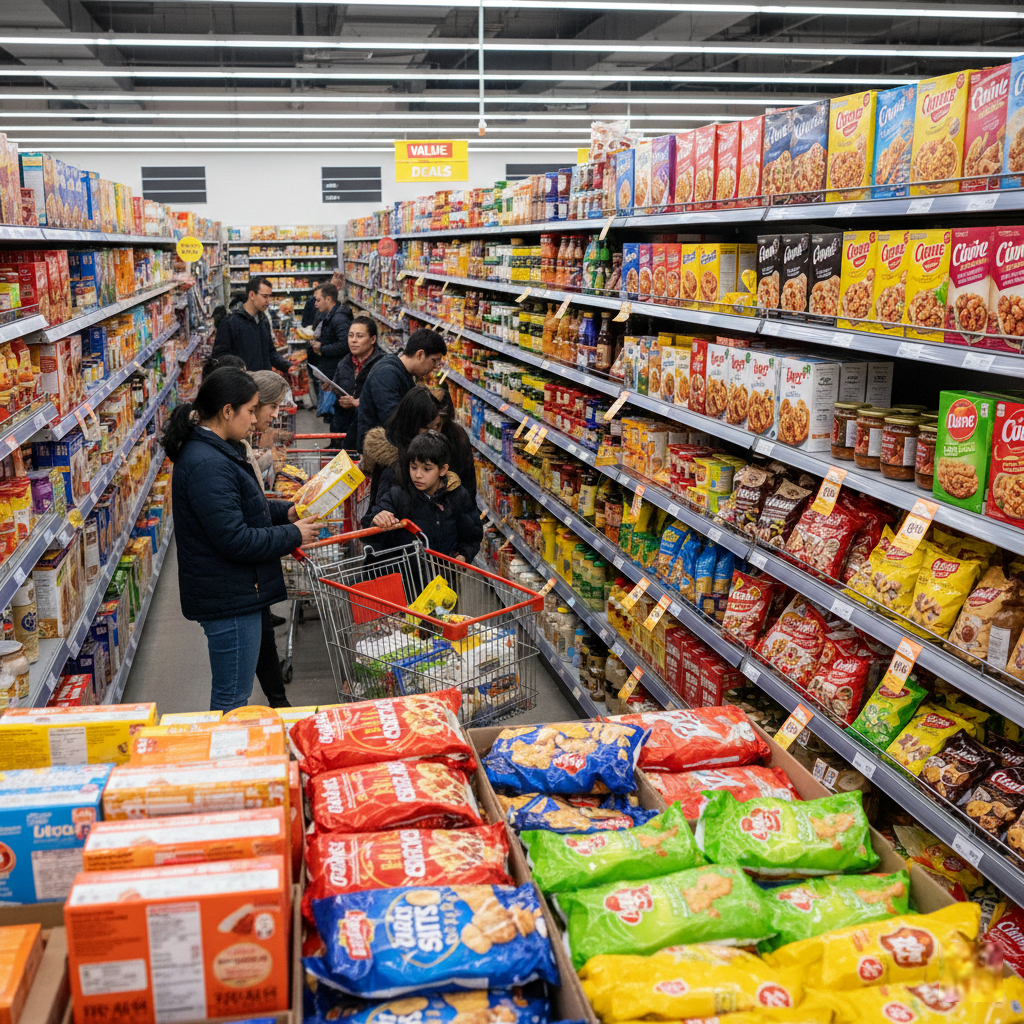
Food in today's fast-paced world is not merely about nutrition; it's about experience, variety, and convenience. Welcome to the world of processed food, a market that has been transforming our daily lives and shopping baskets almost unnoticed over the decades. From frozen dinners to protein bars, from canned soups to instant noodles, processed foods dominate the market. But today, this market is no longer only about making food products safe for the long term. It is transforming in compelling ways, driven by changing consumer habits, technological innovation, and global trends.
Let’s dive into what’s going on in the world of processed food and why it’s more important than ever.
What is Processed Food?
So, before we get into the numbers and trends, let us clarify something. Processed foods are any food that has been changed from its natural form, whether frozen, canned, dried, cooked, or had preservatives and flavorings added to it. That includes everything from your standby granola bars to pre-made pasta sauces.
Not every processed food is “bad.” Some are lightly processed for safety and convenience, whereas others are highly processed, e.g., flavored chips or cereals with high sugar content.
The market includes sub-categories such as frozen foods, packaged snacks, bakery and confectionery items, ready-to-eat (RTE) meals, canned goods, meat and seafood products, and dairy-based products such as cheese and yogurt.
The Market at a Glance
The industry for processed food is massive and expanding. The global market size was valued at over USD 5 trillion in 2023, and it is estimated to reach USD 8.5 trillion by 2032. Growth is being fueled by rising urbanization, dual-income households, and a growing appetite for convenience foods especially in developing economies.
While traditionally North America and Europe dominate the sector, Asia-Pacific region is also growing rapidly, with countries such as India, China, and Indonesia witnessing rapid growth in the consumption of processed foods.
What’s Driving the Growth?
Several key factors are shaping the trajectory of this market:
- Lifestyle Changes and Urbanization
As more individuals move to urban areas, they are likely to adopt busy lifestyles, leading to a higher demand for convenient and easy-to-cook food. Processed foods with longer shelf life and fewer preparation needs fit the bill of the urban population.
- Growing Middle Class and Disposable Incomes
Emerging markets are experiencing a surge in disposable income, enabling people to spend on packaged and branded food items. In places like India and Southeast Asia, both international and local players are making the most of this opportunity.
- Innovation and Technology
From high-pressure processing (HPP) that gives longer shelf life without the use of additives to AI-based food production lines, technology is transforming the processing of processed foods. All these developments have enhanced consumers' overall image of processed foods as well as brought new opportunities for manufacturers to launch new and innovative products to the market.
- Changing Consumer Preferences
Today’s consumers don’t just want convenience, they want healthier, more transparent food. Low-sugar, high-protein, gluten-free, and organic processed foods are all on the rise. Labels are more important than ever, and consumers want to know what's in their food and where it comes from.
The Health Debate: Are Processed Foods Bad?
Let’s be fair, processed food doesn’t have the best of reputations. The critics hold up the excessive sodium, sugars, preservatives, and unhealthy fats in certain products. And it is a fact that ultra-processed foods, which are heavily altered and have no nutrients, have been associated with health issues such as obesity and diabetes.
But all processed foods are not created equal. Producers are answering consumers’ pleas by reformulating foods by cutting out bad ingredients, adding fiber, protein, or essential vitamins, and eliminating artificial colors and flavors.
There has also been an increase in functional processed foods that deliver certain health benefits, like probiotics for the digestive system or omega-3-enriched foods. It’s part of an overall “food as medicine” trend that’s starting to have an impact on mainstream food manufacturing.
Key Trends Driving the Future
Let’s look a bit closer at what’s driving the next phase of the processed food market:
- Clean Label Movement
More consumers are reading labels, and if they can't say it loud, they won’t eat it. This is driving brands to streamline formulations, cut back on additives, and dissolve source information.
- Plant-Based and Meat Alternatives
Soy-based burgers, almond milk, and jackfruit-based "pork" are moving into the mainstream. Even conventional processed food behemoths are joining the plant-based wave, introducing alternative protein snacks and vegan meals.
- Personalized Nutrition
With information gathering from apps, wearables, and even genetic tests, food manufacturers are beginning to sell more tailored products. Picture purchasing a protein bar tailor-made to your metabolic profile or your active lifestyle requirements.
- Sustainable Packaging and Eco-Friendly Practices
With consumers increasingly aware of the environmental contribution of packaging waste, the demand for environmentally friendly packaging options that minimize the environmental footprint is growing. Companies can make their products stand out by adopting greener packaging materials, i.e., biodegradable, compostable, and recyclable packaging.
Challenges Facing the Industry
Despite its growth, the processed food industry faces some serious challenges to tackle:
- Regulatory Hurdles: From food safety regulations to novel labeling laws, compliance can be expensive and complicated, particularly for companies that operate across several nations.
- Supply Chain Disruptions: A pandemic, natural disaster, or geopolitical tensions can significantly affect material supply and product availability.
- Health Scrutiny: With increased awareness of nutrients, producers need to respond to these issues by reformulating products to alleviate such risk and informing consumers of the nutritional content and safety of processed foods.
What’s Next?
The market for processed food is at a fascinating crossroads. Innovation, health consciousness, and sustainability are transforming products and people's attitudes towards them. The days of mystery meats and brightly-colored snacks are over. Now, we're witnessing carefully crafted, nutritionally balanced, and eco-friendly foodstuffs on store shelves.
Whether you're a consumer wondering what's in your pantry or an entrepreneur wanting to invest in the next big food sensation, one thing's certain: processed food is no longer just about convenience; it's about evolution.
So, the next time you grab a ready-to-eat meal or a packaged snack, take a good look. What lies behind the wrapper is a multi-trillion-dollar sector sweating buckets to remain responsible and irresistible.
Share On :
Tweet | LinkedIn | |