Latest Updates Click Here


How to Keep Bees Away From Picnic and BBQ Areas
Learn practical ways to keep bees away from picnic and BBQ areas using safe prevention methods for enjoyable, stress-free outdoor gatherings.
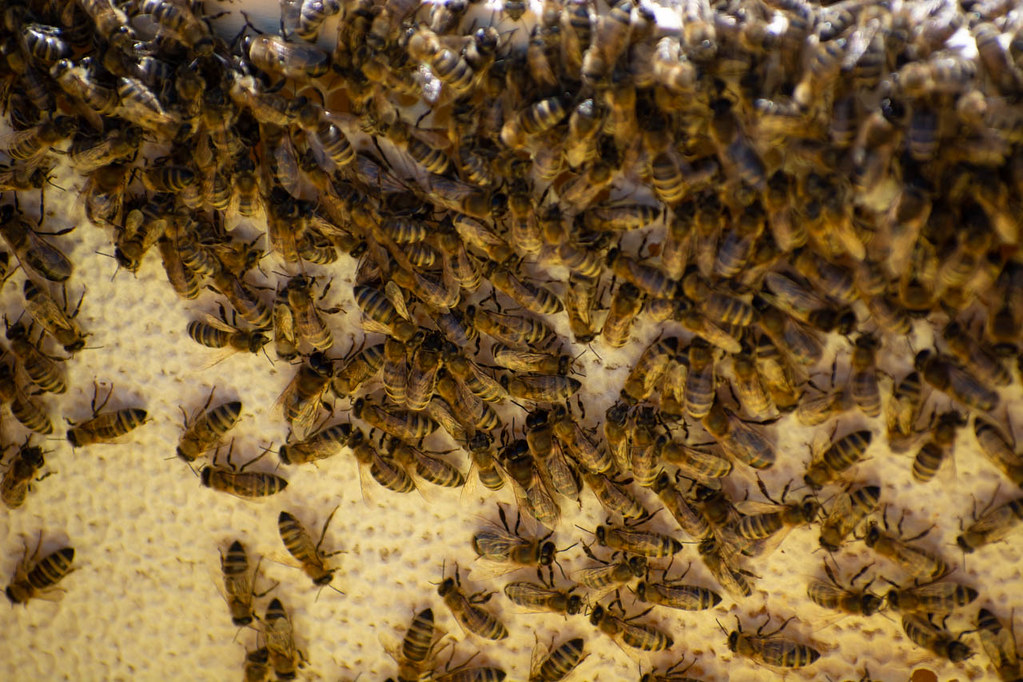
Outdoor picnics and backyard barbecues create memorable moments filled with delicious food, refreshing drinks, and enjoyable conversations. Unfortunately, these occasions also attract unwanted visitors that quickly interrupt the relaxing atmosphere. Understanding what attracts bees helps homeowners and event organizers reduce encounters while maintaining a safe and pleasant environment for everyone involved.
These beneficial pollinators naturally search for nectar, water, and sweet scents throughout the warmer months. Open beverage cans, sugary desserts, ripe fruits, flavored sauces, and overflowing trash containers provide attractive food sources that encourage repeated visits. Once they discover a reliable location, they often return because they remember profitable feeding spots through remarkable navigation abilities.
Weather conditions also influence their activity significantly. Warm afternoons with bright sunshine usually increase foraging behavior, while cooler mornings and evenings generally reduce movement. Therefore, planning outdoor meals during calmer periods sometimes decreases unwanted interactions without disrupting the enjoyment of your gathering.
Preparing Picnic and BBQ Spaces Before Bees Arrive
Successful prevention begins long before guests arrive with food and drinks. Careful preparation significantly reduces attractive scents while making the surrounding environment less appealing for wandering pollinators seeking easy meals. Start by inspecting the outdoor area several days before hosting your event. Look around fences, storage sheds, roof edges, deck railings, and nearby trees for signs of insect activity. Identifying potential nesting locations early allows enough time to address concerns before family members and visitors gather.
Cleaning the space thoroughly also makes a noticeable difference. Remove leftover food residue from outdoor furniture, grills, serving tables, and cooking equipment because lingering odors continue attracting insects long after previous meals have ended. Washing surfaces with mild soap eliminates sweet scents while improving overall cleanliness.
Trash management deserves equal attention because food waste quickly produces strong aromas during warm weather. Secure garbage bags inside containers featuring tightly fitting lids that prevent access while reducing escaping odors. Empty waste regularly throughout the gathering instead of allowing containers to overflow.
Food preparation techniques also influence overall attraction levels. Keeping serving dishes covered until guests begin eating minimizes exposed aromas drifting across the yard. Similarly, storing fruits inside sealed containers preserves freshness while reducing opportunities for curious insects investigating sweet fragrances.
Choosing beverages carefully provides another helpful strategy. Transparent cups allow everyone to monitor drinks before taking each sip, preventing unpleasant surprises from hidden insects entering containers unnoticed. Wide-mouth cans deserve additional caution because insects occasionally crawl inside without being immediately visible.
Fresh water sources sometimes attract thirsty insects during extremely hot weather. Fixing leaking garden hoses, decorative fountains, or dripping outdoor faucets eliminates unnecessary moisture while improving water conservation around the property.
Smart Food Handling Strategies to Reduce Encounters with Bees
Food remains the strongest attraction during outdoor meals, making careful handling one of the most effective preventive measures available. Every serving decision influences how appealing your picnic or barbecue becomes throughout the day. Serve sweet desserts after the main meal instead of placing everything on display immediately. Limiting prolonged exposure reduces attractive aromas drifting across the surrounding landscape. Likewise, replacing open serving bowls with covered containers preserves freshness while restricting scent release.
Marinated meats, barbecue sauces, fruit salads, and sugary beverages deserve particular attention because their powerful fragrances travel considerable distances. Keeping lids closed whenever possible minimizes unnecessary attraction while maintaining food quality until serving time. Guests should promptly clean accidental spills because sticky residues continue attracting insects long after visible food disappears. Carrying disposable towels and mild cleaning solutions simplifies quick maintenance without interrupting conversations or meal preparation.
During situations involving persistent insect presence near residential properties, consulting professionals becomes the safest solution. Experienced specialists offering bee removal service in Placentia can inspect surrounding structures, identify hidden nesting areas, and recommend environmentally responsible solutions that protect families while respecting beneficial pollinators without unnecessary disturbance.
Combining thoughtful food handling with consistent cleanliness significantly lowers attraction while preserving the relaxed atmosphere every successful outdoor gathering deserves.
Creating Outdoor Spaces That Naturally Discourage Bees
Landscape design influences insect activity more than many homeowners realize. Thoughtful outdoor planning creates comfortable entertainment areas while reducing attractive conditions throughout the property. Position picnic tables, grills, and seating arrangements several yards away from flowering shrubs whenever possible. Increasing distance between food and blooming vegetation naturally decreases insect traffic without removing valuable garden plants supporting local ecosystems.
Selecting ornamental plants carefully also helps. Concentrating highly attractive flowering varieties in dedicated garden sections keeps pollinating activity focused away from dining areas. Meanwhile, using decorative foliage plants around patios provides visual beauty without producing abundant nectar. Shade structures contribute additional advantages beyond sun protection. Covered patios, pergolas, gazebos, and umbrellas partially block airborne food scents while offering cooler environments that guests appreciate during warmer afternoons.
Outdoor lighting deserves consideration because certain fixtures attract numerous flying insects after sunset. Choosing warm-colored lighting instead of extremely bright white bulbs reduces unnecessary nighttime insect activity while maintaining comfortable visibility around entertaining spaces. Regular landscape maintenance further supports prevention. Removing fallen fruit beneath trees, trimming overgrown vegetation, and clearing clutter around fences eliminate potential hiding places while improving overall yard appearance. Clean surroundings also simplify early detection of developing nests before they become larger concerns.
Water features require responsible maintenance as well. Decorative ponds, birdbaths, and fountains should remain clean because stagnant water sometimes attracts thirsty insects during prolonged dry weather. Frequent water replacement supports healthier landscapes while limiting unnecessary visits.
Enjoying Safe Outdoor Gatherings While Respecting Bees
Outdoor entertaining becomes much more enjoyable when prevention focuses on preparation instead of reaction. Rather than fearing every flying insect, homeowners benefit from understanding natural behavior while adopting practical habits that reduce unwanted encounters. Communication among guests also improves safety. Briefly reminding everyone to keep food covered, dispose of waste promptly, and avoid sudden movements encourages consistent preventive behavior throughout the event. These simple reminders often prevent situations that otherwise escalate unnecessarily.
Hosting responsibilities include monitoring surrounding conditions during the gathering. If increased insect activity develops unexpectedly, adjusting seating arrangements or temporarily relocating uncovered food usually resolves the issue without disrupting the celebration. Flexibility remains an important part of successful outdoor entertaining. Seasonal awareness provides another advantage because insect activity naturally changes throughout the year. Spring and summer generally require greater attention, while cooler autumn temperatures often reduce overall foraging behavior. Planning events accordingly sometimes minimizes challenges before they begin.
Ultimately, successful prevention combines cleanliness, careful food management, thoughtful landscaping, and responsible maintenance throughout the property. These practical strategies create welcoming picnic and barbecue environments where friends and family comfortably enjoy meals together without constant interruptions. Consistent preparation delivers reliable results while supporting a balanced outdoor environment that protects people, preserves nature, and allows memorable gatherings to continue throughout every warm season.
Share On :
Tweet | LinkedIn | |