Nervous about your first visit? This full guide explains what happens at a routine dental checkup, from X-rays and cleaning to the exam and treatment plan.
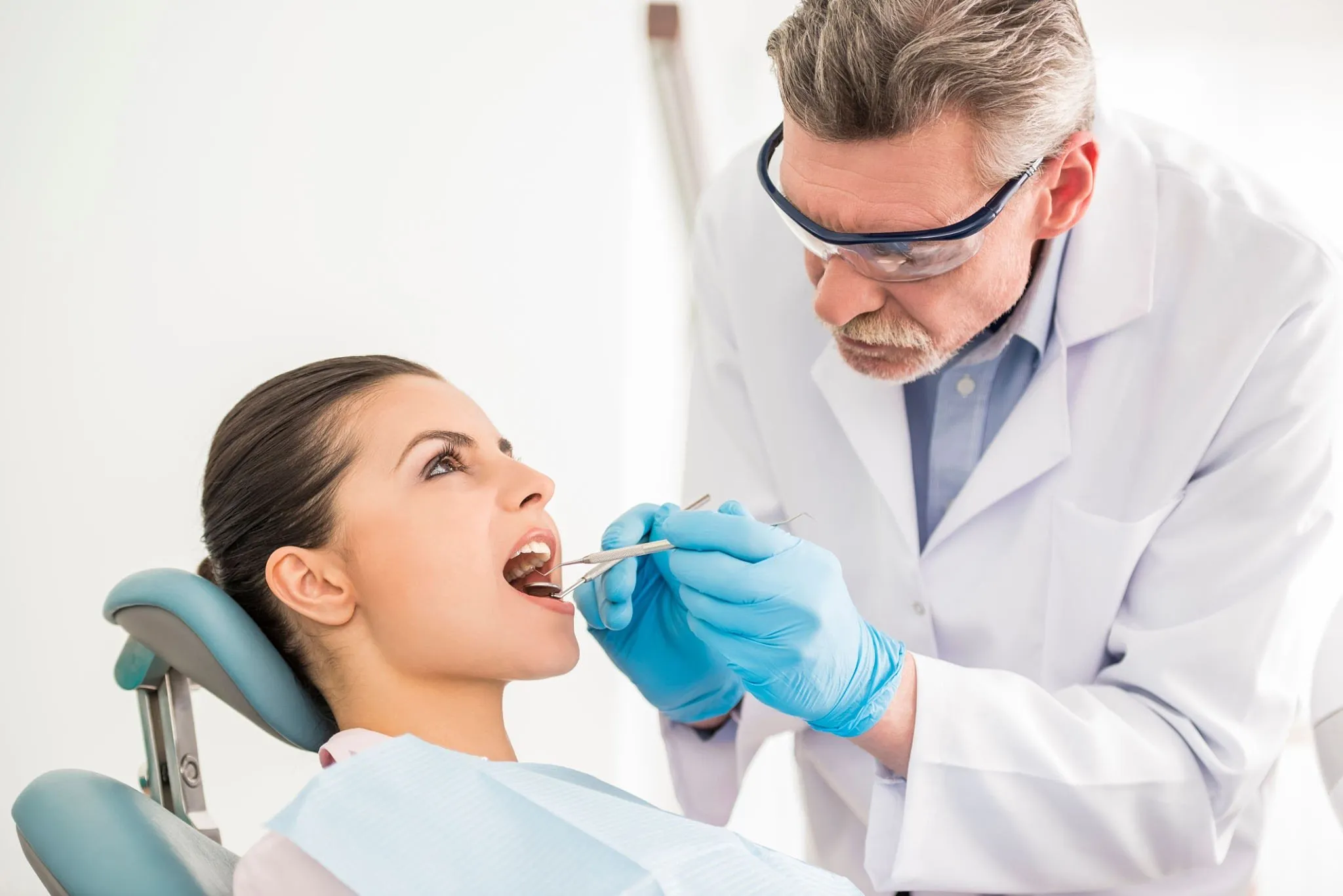
If it has been a while since your last dental visit, or if you are a new patient, you may be wondering exactly what will happen once you sit in the chair. Fear of the unknown is one of the biggest reasons people avoid the dentist, and a little knowledge goes a long way toward easing that worry. A routine dental checkup is generally straightforward, comfortable, and far less intimidating than most people imagine.
This full guide walks you through every stage of a typical dental exam and cleaning, from the paperwork at check-in to the conversation about your treatment plan. You will learn what the hygienist does, what the dentist looks for, why X-rays matter, and how to prepare. Whether you are visiting a dentist in Toms River, NJ for the first time or returning after a break, knowing what to expect will help you walk in with confidence.
A smooth visit starts before you arrive. New patients are usually asked to complete forms covering their medical history, current medications, allergies, and dental concerns. Many offices allow you to fill these out ahead of time, which saves time at check-in. If you have dental insurance, bring your card, and ask the office to verify your benefits in advance.
It also helps to write down any questions or concerns you want to discuss, such as sensitivity, bleeding gums, or cosmetic goals. If you have previous dental records or recent X-rays from another office, ask whether they can be transferred. Brushing and flossing before your visit is a courtesy that many patients appreciate, though the team is there to help whatever the condition of your teeth.
When you arrive, the front desk team will confirm your information and take you to the treatment area. Before any work begins, a member of the team will typically review your medical history with you. This step matters more than many patients realize, because conditions like diabetes, heart problems, pregnancy, and certain medications can affect your oral health and how you are treated.
Be open about any changes in your health since your last visit. It is also important to mention anxiety or past negative experiences. Dental teams are accustomed to working with nervous patients, and letting them know how you feel allows them to adjust their approach to keep you comfortable.
Many checkups include X-rays, which allow the dentist to see areas that cannot be examined visually. They reveal decay between teeth, bone loss around the roots, abscesses, impacted teeth, and other hidden problems. Catching these issues early can prevent the need for more extensive treatment later.
The frequency depends on your age, risk of dental disease, and symptoms. New patients often have a full set of X-rays so the dentist has a baseline, while established patients may have bitewing X-rays taken only periodically. Your dentist will recommend what is appropriate for your situation.
Modern digital X-rays use very low levels of radiation, and protective measures such as lead aprons are used to limit exposure. The radiation from a set of dental X-rays is small, and the diagnostic benefit is generally considered to outweigh the minimal risk. If you are pregnant or concerned, tell the team so they can discuss the best approach.

Next, a dental hygienist will usually perform your cleaning. This is where hardened plaque and tartar are removed, along with surface stains that build up over time. Even patients who brush and floss diligently develop tartar in places that are difficult to reach, which is why professional cleaning is essential.
The hygienist uses small hand instruments or an ultrasonic scaler to gently remove tartar from the surface of your teeth and just below the gumline. You may hear vibrating or scraping sounds and feel mild pressure, but the process should not be painful. If anything feels uncomfortable, let the hygienist know and they can adjust.
After scaling, your teeth are polished with a gritty paste that removes remaining stains and leaves the surface smooth. The hygienist will then floss between your teeth to remove any leftover debris, and may offer a fluoride treatment to help strengthen enamel and protect against decay.
Once your teeth are clean, the dentist will perform a thorough exam. They will examine each tooth for cavities, cracks, worn areas, and issues with existing fillings or crowns. Using a small mirror and probe, they also check the health of your gums, measuring for signs of gum disease such as bleeding or pockets forming between the teeth and gums.
Beyond the teeth themselves, the dentist reviews your bite and the way your jaw moves, looking for signs of grinding or temporomandibular joint problems. They also examine your tongue, throat, cheeks, and the roof and floor of your mouth as part of an oral cancer screening, a quick and painless step that can be lifesaving.
After the exam, the dentist will talk with you about what they found. A good dentist explains findings in plain language, shows you X-rays or intraoral photos when helpful, and answers your questions. You should understand what is healthy, what needs monitoring, and what, if anything, requires treatment.
If treatment is recommended, ask about the options, the expected cost, and how urgent each item is. Request a written estimate and ask how your insurance will apply. If you feel uncertain about a recommendation, it is perfectly reasonable to ask for time to consider it or to seek a second opinion.
A standard checkup and cleaning usually takes about an hour, although the exact time varies. A first visit for a new patient may take longer because of paperwork, X-rays, and a more comprehensive exam. If significant gum disease is present, the dentist may recommend a deeper cleaning scheduled as a separate visit.
A child's dental visit follows a similar structure but is adapted to be gentle and friendly. The team will often let the child see and touch the instruments, explain each step in simple terms, and focus on building trust. Children's visits often include a fluoride treatment and, when appropriate, sealants on back teeth to protect against cavities.
Parents can help by speaking positively about the dentist, avoiding words like hurt or pain, and arriving a few minutes early so the child is not rushed. Starting visits early helps children grow up with a healthy, comfortable attitude toward dental care.
A few simple steps can make your appointment far more comfortable. Arrive a few minutes early so you are not rushed, and let the team know about any anxiety right away. Agree on a signal, such as raising your hand, that tells the dentist or hygienist you need a break. Many patients find that listening to music or using headphones helps them relax.
Practicing slow, deep breathing in the chair can also calm nerves. If you tend to feel sensitive, mention it before the cleaning begins so the hygienist can use a gentler technique or numbing gel. Remember that being honest about your fears is not a burden; it helps the team take better care of you.
Your checkup is an opportunity to learn, so do not hesitate to ask questions. You might ask whether your brushing and flossing technique is effective, whether you would benefit from an electric toothbrush or a particular toothpaste, or whether anything in your mouth should be monitored closely.
It is also a good time to raise cosmetic concerns, such as stained or crooked teeth, and to ask how often you should return based on your own risk. Dentists appreciate engaged patients, and the answers you receive can help you build better habits and avoid problems between visits.

It can be tempting to skip a checkup when your teeth feel fine, but the value of a routine visit lies in what you cannot see or feel. Early cavities, gum disease, and oral cancer often show no symptoms in the beginning. Finding them early usually means simpler treatment, lower cost, and a better outcome.
A checkup is also an investment in your overall health. Your mouth can reveal signs of other conditions, and good oral hygiene supports your general well-being. For about an hour every six months or so, you gain peace of mind and a partner who helps you keep your smile healthy and strong.
When your appointment ends, the team will typically schedule your next visit and share home care recommendations tailored to your needs. Your teeth may feel a little sensitive for a short time after a thorough cleaning, which is normal. If you receive a treatment recommendation, put it on your calendar so it does not get forgotten.
If you are ready for a stress-free checkup, the team at Sun Dental in Toms River would be happy to welcome you. Knowing what to expect makes the experience easier, and taking this simple step each year or two helps protect your smile for the long run.
Does a routine dental cleaning hurt?
Most patients feel only mild pressure or vibration. If your gums are inflamed or your teeth are sensitive, you may feel some discomfort. Tell the hygienist so they can adjust their technique.
How long does a routine dental checkup take?
A typical checkup and cleaning takes about an hour. New patient visits may run longer because of the paperwork, X-rays, and a more comprehensive exam with the dentist, especially after a long gap.
What does the dentist check during an exam?
The dentist examines teeth for cavities and cracks, checks gum health, evaluates your bite and jaw, and performs an oral cancer screening of the tongue, cheeks, and throat for any changes.