Latest Updates Click Here


7 Common Streaming Mistakes That Can Ruin Your Viewing Experience
Discover seven common streaming mistakes that affect video quality and learn practical tips to improve your viewing experience at home.
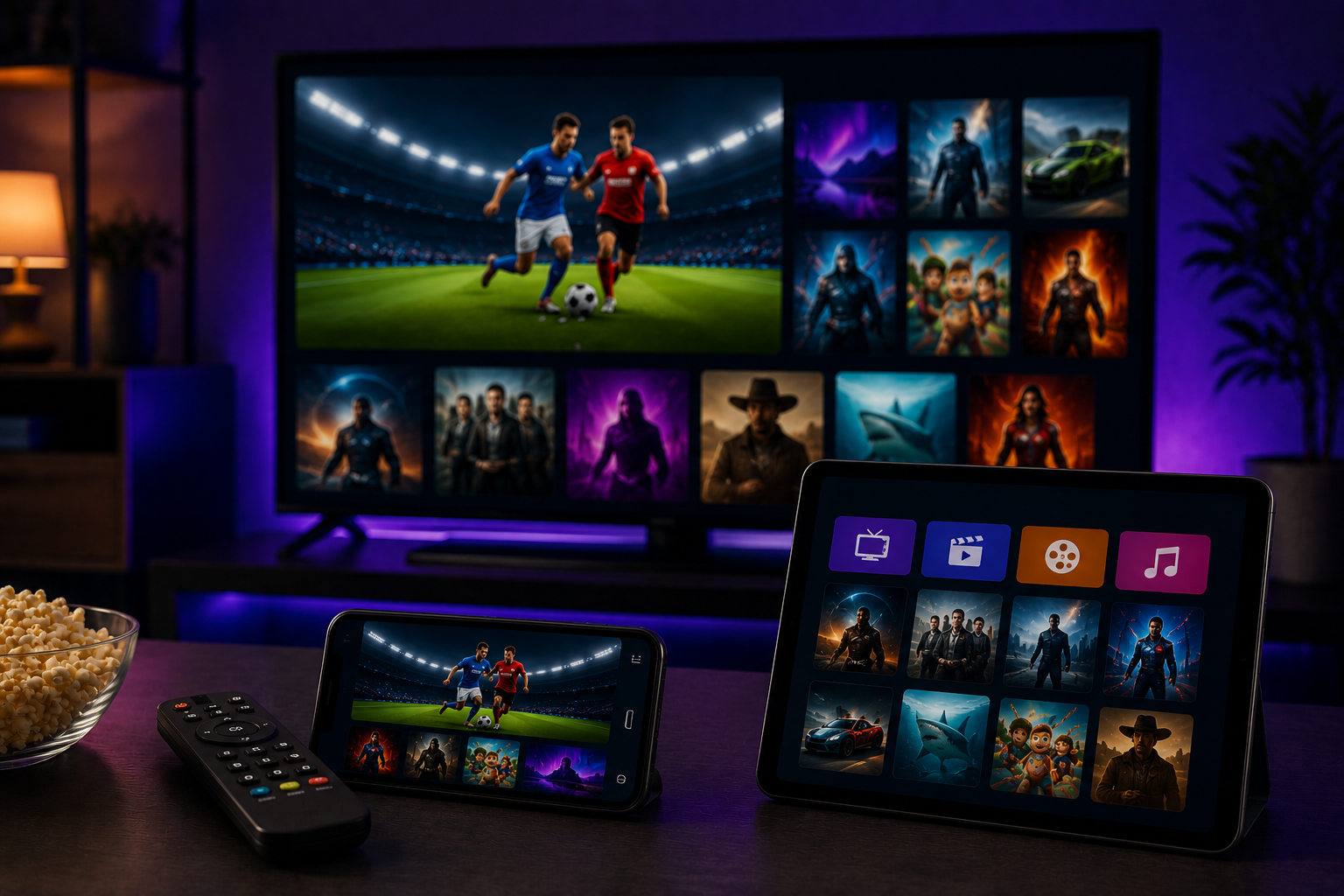
Streaming has become the preferred way for millions of people to watch movies, television shows, live sports, documentaries, and other digital content. With high speed internet and connected devices becoming more common, viewers expect entertainment to be available whenever and wherever they want.
Despite these advancements, many people still experience buffering, poor picture quality, unexpected interruptions, or slow loading times. In many cases, these problems are not caused by the streaming platform itself. Instead, they result from common mistakes that reduce performance and create an inconsistent viewing experience.
The good news is that most of these issues can be solved without purchasing expensive equipment or upgrading every device in your home. Understanding what causes streaming problems allows you to optimize your setup and enjoy smoother, more reliable entertainment.
Here are seven common streaming mistakes and the practical steps you can take to avoid them.
1. Ignoring Your Internet Connection
A stable internet connection is the foundation of every good streaming experience.
Many viewers assume that any broadband connection is sufficient for streaming, but inconsistent speeds or network interruptions can quickly lead to buffering and reduced video quality.
Before troubleshooting your streaming device or application, test your internet connection. Look for consistent performance rather than focusing only on maximum download speeds.
Reliable connectivity provides the stability needed for uninterrupted entertainment, especially when watching live events or high definition content.
2. Placing the Router in the Wrong Location
Router placement has a greater impact than many people realize.
A router hidden behind furniture, placed inside a cabinet, or located at one end of the house may struggle to provide strong wireless coverage throughout the home.
Positioning the router in a central, open location helps distribute the signal more effectively. Reducing physical obstacles between the router and streaming devices can also improve connection quality.
Sometimes a simple relocation is enough to solve recurring streaming problems.
3. Using Outdated Streaming Devices
Older devices may not perform as efficiently as modern streaming hardware.
As streaming applications continue evolving, outdated Smart TVs, media players, or operating systems can become slower and less compatible with current software.
Regularly updating device software helps improve stability and performance. If your equipment has not received updates for several years, it may struggle with newer streaming technologies.
Keeping devices current ensures a smoother and more enjoyable viewing experience.
4. Running Too Many Devices on the Same Network
Modern households often have dozens of connected devices.
Smartphones, tablets, laptops, gaming consoles, smart home systems, and security cameras all compete for internet bandwidth. During busy periods, this can reduce the resources available for streaming.
Whenever possible, avoid large downloads, cloud backups, or software updates while watching important live events.
Managing network activity helps maintain consistent playback and reduces buffering.
5. Choosing the Highest Video Quality Every Time
Higher resolution is not always the best choice.
Many viewers automatically select the highest available video quality without considering whether their internet connection can consistently support it.
If your connection becomes unstable, lowering the streaming resolution slightly may produce smoother playback with fewer interruptions.
A consistent viewing experience is often more enjoyable than frequent buffering at maximum resolution.
Balancing picture quality with network performance creates better overall results.
6. Skipping Regular Device Maintenance
Streaming devices benefit from occasional maintenance just like computers and smartphones.
Unused applications, temporary files, and limited storage space can gradually affect performance. Restarting devices, clearing unnecessary files, and installing software updates help maintain efficient operation.
Simple maintenance routines reduce technical problems and improve long term reliability.
A few minutes of maintenance every month can prevent many common streaming issues.
7. Choosing a Platform Without Evaluating Quality
Many people focus only on price or content libraries when selecting a streaming platform.
However, factors such as device compatibility, user interface, streaming stability, customer support, and overall performance are equally important.
Viewers searching for a reliable service often compare these qualities because consistent performance has a greater impact on satisfaction than content selection alone.
Taking time to evaluate a platform carefully leads to a better long term entertainment experience.
Additional Tips for Better Streaming
Avoiding common mistakes is only part of creating an excellent streaming setup.
Keeping your home network secure, updating router firmware, organizing your entertainment space, and understanding your streaming device's settings can all contribute to smoother performance.
Small improvements often work together to create noticeable results.
Rather than focusing on one single upgrade, optimize every part of your setup.
Why User Habits Matter
Technology is only one part of the streaming experience.
Good viewing habits also make a difference. Closing unnecessary background applications, restarting equipment periodically, and monitoring internet performance help maintain reliable playback.
Understanding how your devices and network work together makes troubleshooting easier whenever problems occur.
Well informed users typically experience fewer interruptions and greater satisfaction.
The Future of Streaming Technology
Streaming technology continues improving every year.
Faster broadband networks, cloud based infrastructure, artificial intelligence, and smarter content delivery systems are making entertainment more reliable and accessible.
As these innovations continue developing, viewers can expect even smoother playback, better personalization, and improved compatibility across connected devices.
However, even the most advanced technology performs best when users avoid common setup mistakes.
Conclusion
Streaming should provide convenient, flexible, and enjoyable entertainment, but common mistakes can reduce performance and create unnecessary frustration. Fortunately, most issues can be solved through practical improvements such as optimizing your internet connection, managing network traffic, updating devices, and choosing the right platform.
By avoiding these seven common streaming mistakes, viewers can enjoy smoother playback, better picture quality, and a more reliable entertainment experience. A few simple adjustments today can lead to many hours of uninterrupted viewing in the future.
Share On :
Tweet | LinkedIn | |