Learn how to choose the right Paint Protection Coating for your vehicle by comparing ceramic coatings, PPF, durability, costs, installation, and maintenance.
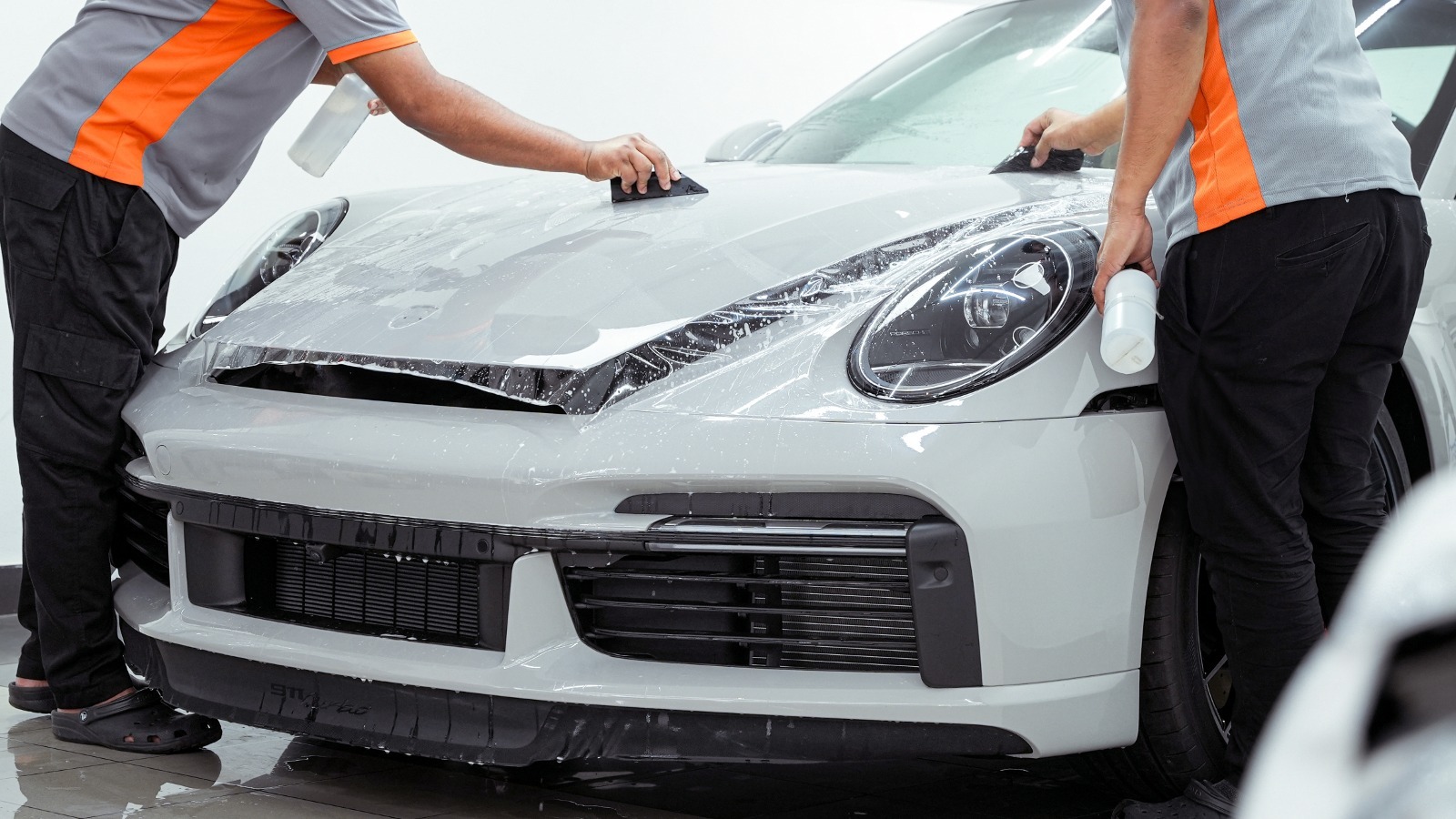
Protecting your vehicle's exterior is important for maintaining its appearance and value over time. Daily driving exposes your car to sunlight, dust, road debris, bird droppings, and other environmental contaminants that can affect its paintwork. Choosing the right Paint Protection Coating can help preserve the finish, improve gloss, and make routine cleaning easier. However, different products offer different levels of protection, durability, and maintenance requirements. Understanding these differences will help you select an option that suits your vehicle, driving habits, and budget.
Before choosing a coating, learn about the main options available for protecting automotive paint. Each option has its own benefits, limitations, and expected lifespan. The right choice depends on how much protection you need and how much time you want to spend maintaining your vehicle. Comparing the available solutions will help you make a more informed decision.
Ceramic coatings are popular because they create a durable, water-repellent layer over a vehicle's painted surfaces. Many products use silicon dioxide or related ceramic materials to improve gloss and make dirt and water easier to remove. Depending on the product and application, a coating may last several months to several years. However, ceramic coatings do not make paint completely scratch-proof, so proper washing and care remain essential.
Paint protection film, commonly called PPF, is a transparent film applied to painted panels. It provides a physical barrier against stone chips, minor abrasions, and certain types of road debris. Some premium films also have self-healing properties that help reduce the appearance of light surface marks when exposed to suitable heat. PPF generally costs more than many liquid coatings, but it may be particularly useful for high-impact areas such as the front bumper, hood, and side mirrors.
Wax and synthetic paint sealants are other options for vehicle owners who want a protective layer without the cost of a professional ceramic coating. Wax can provide attractive shine, while synthetic sealants often offer longer-lasting protection than traditional wax products. However, these options usually require more frequent reapplication. They may be suitable for older vehicles, occasional drivers, or owners who prefer a simple and affordable maintenance routine.
The condition of your car's paint should influence your coating decision. New vehicles may need only a careful wash and preparation before protection, while older cars may have swirl marks, oxidation, or faded areas. Applying a coating over damaged paint can preserve the appearance of those imperfections rather than correct them. A professional inspection can help determine whether paint correction or other preparation is necessary before application.
If your vehicle has visible scratches, water spots, or uneven gloss, discuss these concerns with an installer first. Paint correction can improve the finish by reducing certain surface imperfections, although not every scratch can be safely removed. Deep scratches that reach the primer or metal may require touch-up work or repainting. Proper preparation helps the protective product bond correctly and produces a more consistent final appearance.
Durability is an important consideration when comparing protection products. Some coatings are designed for shorter-term use, while others are marketed to last several years under appropriate conditions. Actual performance depends on the product formulation, installation quality, climate, washing habits, and exposure to environmental contaminants. Always review the manufacturer's warranty and maintenance instructions instead of relying solely on advertised longevity.
Think about how much maintenance you can realistically provide. A coating may make washing easier, but it does not eliminate the need to clean your vehicle regularly. Dust, mineral deposits, and road grime can still accumulate on protected surfaces. Choosing a product that matches your maintenance routine can help you maintain its appearance and performance over time.
Your budget should include more than the initial purchase price. Professional application may involve cleaning, chemical decontamination, paint correction, installation, and curing time. These preparation steps can influence the total cost, particularly when a vehicle's paint needs substantial correction. Lower-priced products may be suitable for some owners, but compare their coverage, expected lifespan, and maintenance needs before making a decision.
Consider these factors when comparing options:
Initial cost: Compare product prices and professional installation charges.
Expected lifespan: Check how long the protection is intended to last under normal conditions.
Maintenance expenses: Account for recommended cleaning products and periodic treatments.
Vehicle usage: Consider whether you drive daily, travel on highways, or keep your car in a garage.
Warranty coverage: Review the conditions, exclusions, and maintenance obligations.
Paint condition: Include any necessary correction or repair work in your budget.
Comparing the total cost of ownership can help you avoid choosing a product based only on its initial price. The most expensive option is not automatically the most suitable for every vehicle.
Your regular driving environment can affect which protective solution makes the most sense. Vehicles driven frequently on highways may face more stone chips and road debris than cars used mainly for short trips. In these circumstances, PPF on vulnerable panels may provide a useful physical barrier, while a ceramic coating can help with cleaning and surface protection. Some owners choose to combine both options to address different needs.
Vehicles parked outdoors may benefit from products that help resist environmental contamination and make washing easier. Strong sunlight, bird droppings, tree sap, and hard-water deposits can damage or stain paint if left untreated. A suitable coating can provide an additional layer of defense, but prompt cleaning remains important. No coating can completely prevent fading, etching, or damage caused by prolonged exposure to harsh conditions.
The quality of the product matters, but the skill of the installer is equally important. Poor surface preparation or incorrect application can lead to uneven coverage, visible high spots, or disappointing results. Look for a professional who explains the preparation process, expected results, curing time, and aftercare requirements. Ask to see examples of previous work and check customer reviews before scheduling an appointment.
Before committing to a service, ask a few practical questions:
What product will be applied, and what is its expected lifespan?
Does the quoted price include paint correction and preparation?
How long must the vehicle remain dry during curing?
What maintenance products and washing methods are recommended?
Is there a written warranty, and what conditions could affect it?
Clear answers can help you compare providers fairly and understand exactly what you are paying for. Avoid relying on promises of permanent protection or completely scratch-proof paint, as these claims can create unrealistic expectations.
After installation, follow the manufacturer's instructions carefully. Some coatings require a specific curing period before the vehicle can be washed or exposed to rain. Once the coating has cured, use appropriate automotive shampoo, clean microfiber towels, and gentle washing techniques. Avoid abrasive brushes and harsh chemicals unless the product manufacturer specifically approves them.
Regular inspections can help you identify contamination or maintenance needs before they become bigger problems. Remove bird droppings, tree sap, and other potentially harmful substances promptly using suitable cleaning products. If water no longer beads as expected, it does not necessarily mean the coating has failed; surface contamination may be affecting its behavior. A professional can assess the coating and recommend suitable maintenance when necessary.
Choosing the right Paint Protection Coating involves understanding the available protection types, evaluating your vehicle's paint condition, comparing costs, and considering your daily driving environment. Ceramic coatings can improve gloss and simplify cleaning, while paint protection film offers a physical barrier against certain impacts. Wax and sealants provide alternatives for owners who prefer simpler, shorter-term protection. By selecting a suitable product, using a qualified installer, and following proper aftercare, you can help preserve your vehicle's appearance and maintain its finish for years to come.