Fitting new Michelin tyres is more than swapping the rubber. Each step protects the car and helps your tyres last. You've got to check the rim edges, balance the wheels and hand-tighten the bolts. A missed valve or a dirty rim can cause a slow leak and cause uneven tyre wear.
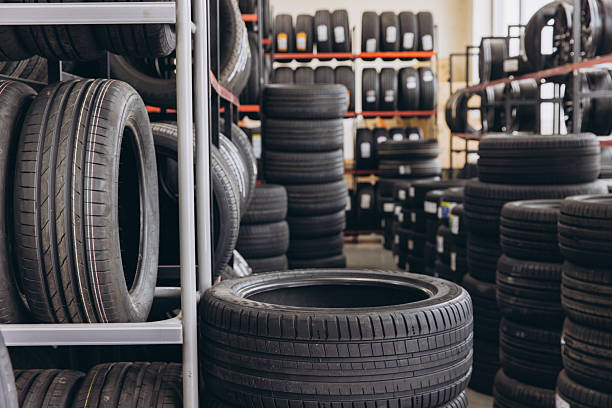
You drop the keys, have a bad coffee and hope for the best. Many drivers who book replacement tyres in Southall just leave their car at the workshop and never see the tools or checks carried out.
The process includes exact physical steps to keep you safe on local roads. Knowing what the fitter does helps you spot good work and explains why each step matters.
Your car just goes straight onto the ramp. The tech checks the rubber prior to undoing a single bolt.
The fitter checks tread depth across the width to look for uneven wear. The legal minimum in the UK is 1.6 mm across the central three-quarters of the tread. Significant wear on one shoulder clearly indicates poor wheel tracking.
Next is the sidewall check. The fitter is looking for cuts and bulges. A sharp pothole can break the internal cords and cause a bubble. A damaged sidewall can't be safely repaired.
The car is then raised up using ramp pads positioned on the manufacturer's lifting points. The lift pads are placed in the correct locations to prevent the car body from flexing and to allow the wheels to turn. Tyres are fitted in Southall, and the wheels are checked for correct turn on every car that goes into the bay.
With the car raised, the tech spins the lugs off and takes the wheels to the changer.
The tech unscrews the valve core to release the air. You can't strip a tyre whilst it's under pressure.
Once flat, the wheel rests up against the side of the machine. A metal tool presses on the tyre wall to unseat the rubber from the rim. That seal is the bead. The blade pushes the stiff rubber into the central well. The fitter then flips the wheel over and does the same on the other side.
The fitter wire-brushes the corrosion off the metal rim edge to prevent slow leaks. Road salt, water and old rubber build up along the inner lip. Fitting a new tyre over that rough metal will result in a slow leak over time.
The fitter cleans the metal and checks the wheel for any cracks or flat spots from road hazards. You can't install quality tyres like Michelin without a clean rim seat for the tyre to perform as it should.
The garage takes definite steps here to protect your wheel parts:
|
Fitting Step |
Workshop Action |
Safety Benefit to Driver |
|
Bead breaking |
Uses rubber-padded spade against tyre edge |
Prevents scraping alloy face |
|
Core removal |
Unscrews small brass valve mechanism |
Releases pressure before dismounting |
|
Rim preparation |
Cleans inner rim flange with wire brush |
Prevents slow pressure drops |
|
Hub cleaning |
Removes rust from brake disc surface |
Ensures wheel sits flat against hub |
Mechanical jaws clamp the wheel onto the turntable. A metal arm drops down, and a bar pulls the tyre edge over the rim lip. The table then rotates to peel the old tyre off.
Once the rim is clean, it's ready for the new tyre. A good workshop will treat that stage with care to keep the bead in good order.
Rubber valve stems deteriorate over time, so fitters will fit a new valve each time. Road salt, heat, and bending forces cause the rubber to deteriorate and crack.
The tech cuts out the old pull-through valve with a blade, then uses a lever tool to pull the new valve through the rim hole until it snaps home. Some cars have a tyre pressure monitoring system (TPMS), and if yours does, then the metal valve will get fresh rubber seals. Fitting new valves is standard practice when you're fitting new tyres Southall on cars that people use every day for their commute.
We brush paste onto the edge of the tyre so it slides over the rim without tearing. The rotating arm then presses the beads over the metal edge. Air is pumped in until the rubber pops into place. You'll often hear two very loud thumps in the waiting area as the beads seat. The fitter then sets the pressure to the level specified in the vehicle handbook.
Even a new tyre will have slight weight variations around its circumference. An unbalanced wheel will shake the steering wheel at speed and will also wear the rubber in your suspension joints.
The wheel is spun on a balancing machine which picks up the heavy spots. Sensors detect the wobble down to a fraction of a gram, and they tell you exactly where to place the small weights behind the spokes to balance it.
Technicians fitting the new tyres in Southall then re-mount the wheels onto the hubs. The fitters then tighten the bolts to the correct torque, never just with a power gun.
Before you drive away, check off this quick list:
Match tyre size on the sidewall to your handbook.
Check each wheel has a clean plastic valve dust cap.
Confirm your locking wheel nut key is back in the boot.
Check your bill shows the right tyre sizes and code numbers.
Fitting the tyres for Southall motorists should finish with the correct paperwork and your tools back in the boot.
Fitting new Michelin tyres Southall is more than swapping the rubber. Each step protects the car and helps your tyres last. You've got to check the rim edges, balance the wheels and hand-tighten the bolts. A missed valve or a dirty rim can cause a slow leak and cause uneven tyre wear. Check your tyre pressures regularly and drive with care. That will go a long way toward ensuring your car runs smoothly for thousands of miles. For proper wheel care and professional fitting, visit the team at ajsautos.co.uk.
Replacing four tyres takes about 30 to 45 minutes. That gives the fitter time to remove the wheels, strip the old tyres, clean the rims, fit new valves, balance each wheel, and tighten the bolts.
Yes, good garages will take your old tyres and send them to a licensed waste site. UK green laws require old tyres to be cut up, with the rubber then used as road surface, sports track, or fuel. A small environmental disposal fee is usually quoted on your invoice.
You should re-check the wheel nuts after you've driven around 30 to 50 miles on newly fitted wheels. The nuts can settle slightly against the hub face as you're driving over bumps. A quick check with a torque wrench will ensure they're still tight.