Latest Updates Click Here


8 Sunscreen Ingredients to Potentially Avoid
Not every sunscreen formula is the same. Learn about eight sunscreen ingredients many people choose to avoid and discover how to select safer daily sun protection for your skin.
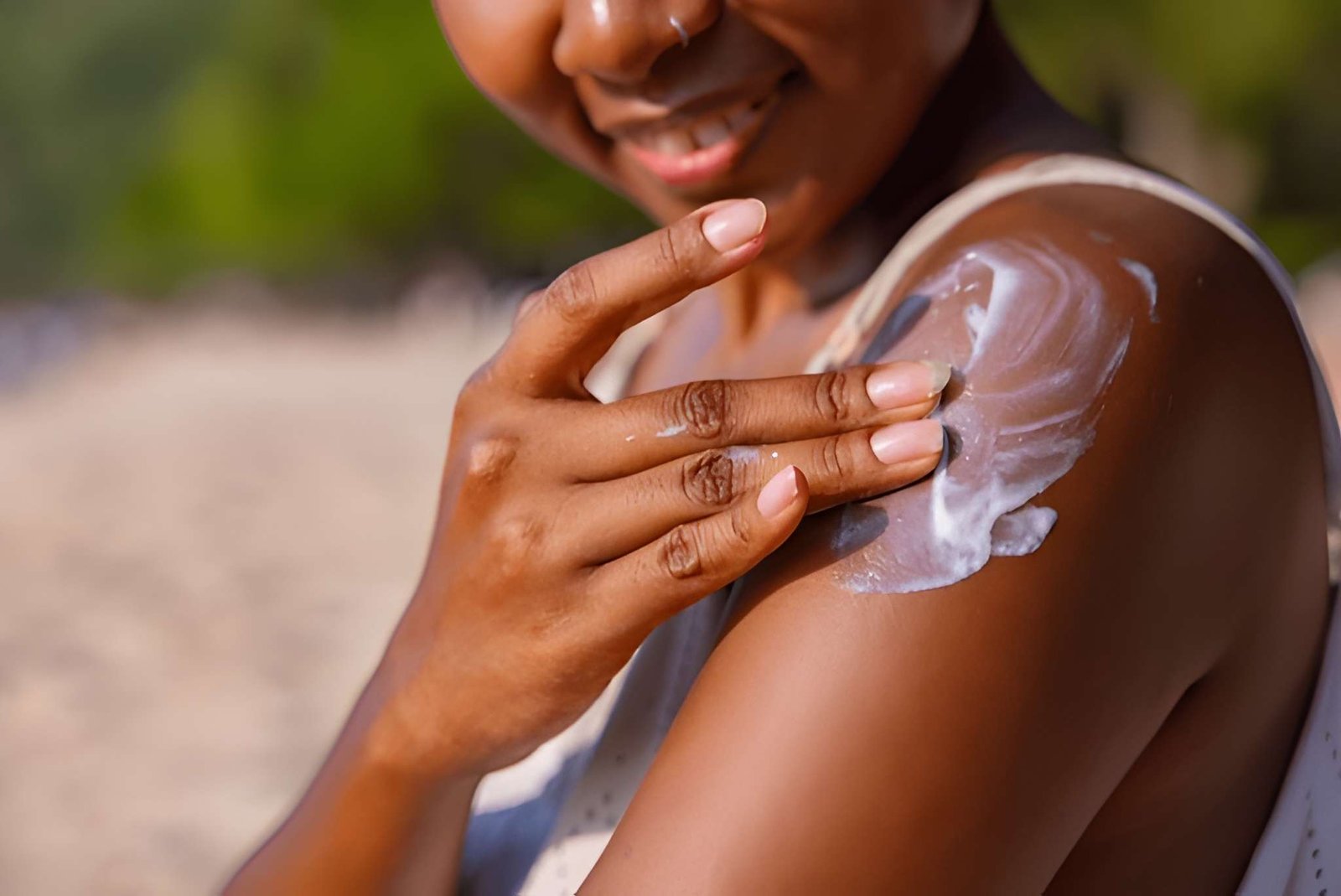
Nomsa lives in Durban and loves spending weekends outdoors with her family. One Saturday morning, she grabbed a bottle of sunscreen before leaving home. While applying it, her sister looked at the ingredient list and asked, "Do you even know what's inside this sunscreen?"
Nomsa smiled and replied, "If it says sunblock SPF 50, isn't that enough?"
Later that evening, they started reading about sunscreen ingredients. They discovered that not every sunscreen uses the same formula. Some ingredients work well for many people, while others may irritate sensitive skin or raise environmental concerns.
Many South Africans only look at the SPF number. Very few check the ingredient list. Knowing what goes into your sunscreen helps you choose a product that suits your skin and your daily routine.
If you are searching for the best sunscreen for face in South Africa, understanding the ingredient list is just as important as choosing the right SPF.
Why Do Some Sunscreen Ingredients Raise Questions?
Not every discussion about sunscreen ingredients means those ingredients are dangerous. In fact, many ingredients have been approved for cosmetic use after extensive safety assessments. Still, scientific research continues to examine how certain ingredients interact with sensitive skin, repeated daily use, and the environment. This ongoing research allows skincare brands to improve formulas and gives consumers more choices than ever before.
Today, many dermatologists encourage people to understand what they are applying to their skin rather than buying products based only on the SPF number. If you have experienced redness, irritation, or discomfort after wearing sunscreen, the ingredient list may help explain why. This does not mean you should stop using sunscreen. Instead, it means choosing a formula that better suits your skin.
Which Sunscreen Ingredients Do Many People Choose to Avoid?
Below are eight ingredients that often appear in discussions about sunscreen formulas.
1. Oxybenzone
Oxybenzone is one of the most discussed sunscreen ingredients.
Some people experience skin irritation after using products containing this ingredient, especially those with sensitive skin. It has also received attention because several countries have restricted its use in products sold near coral reef areas.
This does not mean every sunscreen containing Oxybenzone is unsafe. Many people continue using it without problems. Still, those with sensitive skin often prefer formulas without it.
2. Octinoxate
Octinoxate helps absorb UVB rays.
Some people avoid this ingredient because of ongoing environmental discussions and possible irritation for sensitive skin.
If your skin reacts easily to skincare products, choosing another sunscreen formula may feel more comfortable.
3. Homosalate
Homosalate helps stabilize sunscreen formulas and improves UV protection.
Researchers continue studying its long term effects at higher concentrations. Because of this, some skincare brands now create formulas without Homosalate, giving consumers more options.
4. Octocrylene
Octocrylene helps keep sunscreen stable when exposed to sunlight.
Although many people use it without issues, others report mild irritation or sensitivity. People with reactive skin often choose sunscreens containing calming ingredients instead.
5. Avobenzone
Avobenzone protects skin against UVA rays, which contribute to wrinkles and pigmentation.
While it offers excellent UVA protection, it usually needs stabilizing ingredients to remain effective in sunlight. Some people with highly sensitive skin choose mineral sunscreens instead, although many still use Avobenzone safely every day.
6. Padimate O
Padimate O was introduced as an alternative sunscreen ingredient years ago.
Today, it appears less frequently because many skincare brands now use newer UV filters with improved stability.
Although it remains approved in some markets, many consumers simply choose formulas without it.
7. Aminobenzoic Acid (PABA)
PABA was once commonly found in sunscreen products.
Over time, reports of allergic reactions caused many skincare manufacturers to stop using it. Today, most modern sunscreens no longer contain PABA.
8. Cinoxate
Cinoxate protects against UVB rays but has become less common in newer sunscreen formulas.
Many skincare companies now prefer newer ingredients that remain stable longer and suit a wider range of skin types.
For this reason, Cinoxate appears less often in today's sunscreen products.
Common Sunscreen Ingredients
|
Ingredient |
Why Some People Choose to Avoid It |
What You Should Know |
Alternative Choice |
|
Oxybenzone |
May irritate sensitive skin and has environmental concerns. |
Many people use it safely for effective UV protection. |
Zinc Oxide or Titanium Dioxide sunscreens. |
|
Octinoxate |
Environmental concerns and possible skin sensitivity. |
Still protects against UVB rays effectively. |
New UV filters or mineral sunscreens. |
|
Homosalate |
Ongoing research has led some brands to avoid it. |
Research continues, but it remains approved for use. |
Broad-spectrum formulas with newer UV filters. |
|
Octocrylene |
May cause irritation for sensitive skin. |
Helps keep sunscreen formulas stable. |
Mineral or Octocrylene-free sunscreens. |
|
Avobenzone |
Requires stabilising ingredients. |
One of the most effective UVA filters. |
Zinc Oxide mineral sunscreen. |
|
Cinoxate |
Older ingredient with newer alternatives available. |
Less common in modern sunscreen formulas. |
Modern broad-spectrum UV filters. |
|
Padimate O |
Many people prefer newer UV filters. |
Less common in today's sunscreens. |
Lightweight modern sunscreen formulas. |
|
PABA |
May trigger skin sensitivity. |
Most modern sunscreens no longer contain it. |
Most Korean sunscreen formulas. |
Does This Mean Chemical Sunscreens Are Bad?
No.
This is one of the biggest misunderstandings in skincare.
Chemical sunscreens undergo safety evaluations before reaching the market. Millions of people use them daily without any problems.
The important point is finding a sunscreen that matches your own skin.
If your skin becomes irritated easily, another formula may work better.
If your skin feels comfortable and your dermatologist recommends it, there may be no reason to stop using your current sunscreen.
The goal is daily sun protection, not unnecessary fear.
Should You Choose Mineral or Chemical Sunscreen?
Both types protect your skin from harmful UV rays.
Mineral Sunscreens:
Mineral sunscreens usually contain zinc oxide or titanium dioxide. Many people with sensitive skin enjoy these formulas because they sit on the skin's surface and reflect UV rays.
Chemical Sunscreens:
Chemical sunscreens absorb UV energy before it damages the skin. These formulas usually feel lighter and blend easily without leaving a noticeable white cast.
Neither option is automatically better.
The best sunscreen is the one you enjoy wearing every day.
Does Avoiding These Ingredients Mean Sunscreen Is Unsafe?
The simple answer is no.
One of the biggest misunderstandings in skincare is believing that seeing one of these ingredients on a label automatically means the product is harmful. That is not true. Sunscreens go through safety assessments before reaching consumers, and many people use chemical sunscreens every day without experiencing any problems. The reason these ingredients continue to be discussed is that scientific research never stops. As researchers learn more about skin sensitivity, ingredient stability, and environmental impact, skincare companies improve their formulas to meet changing consumer needs.
Instead of becoming worried about every ingredient name, focus on choosing a sunscreen that suits your skin type. Someone with oily skin may prefer a lightweight gel formula, while another person with dry skin may enjoy a richer sun cream. If your skin has reacted to sunscreen before, reading the ingredient label can help you identify patterns and choose products that feel more comfortable. Remember that wearing sunscreen every day is far more important than avoiding every ingredient that appears in online discussions.
"The best foundation you can wear is healthy, glowing skin." Bobbi Brown
How Can You Choose the Best Sunscreen for Face in South Africa?
Finding the best sunscreen for face in South Africa becomes much easier when you know what your skin needs.
Look for these features:
- Broad-spectrum UVA and UVB protection
- SPF 30 or SPF 50 for daily use
- Comfortable texture
- Suitable for your skin type
- Non-greasy finish if you have oily skin
- Hydrating ingredients if your skin feels dry
- Fragrance-free formula if your skin becomes irritated easily
The right sunscreen is the one you will happily wear every single morning.
Where Can You Find Quality Korean Sunscreens in South Africa?
If you are ready to improve your daily skincare routine, K-Beauty makes choosing sunscreen much easier.
We carefully select some of the best skincare products in South Africa, offering trusted Korean skincare and premium Korean beauty products suitable for different skin types. Whether your skin is oily, dry, combination, acne prone, or sensitive, you can discover lightweight Korean sunscreens that feel comfortable throughout the day without leaving your face heavy or greasy.
Our collection includes some of the best sunscreen for face in South Africa, created with modern formulas that protect your skin while helping it stay hydrated and comfortable. With authentic Korean skincare products, you can build a routine that protects your skin every day with confidence.
Your Skin Deserves Smart Sun Protection
Reading a sunscreen label may only take a minute, but it can help you make better skincare decisions for years to come.
Remember that ingredients like Oxybenzone, Octinoxate, Homosalate, Octocrylene, Avobenzone, Padimate O, PABA, and Cinoxate are not automatically harmful for everyone. Many people continue using products containing these ingredients without experiencing any problems. At the same time, people with sensitive skin may feel more comfortable choosing different formulas.
The most important habit is wearing sunscreen every day. Consistent sun protection helps reduce UV damage, supports healthier looking skin, and keeps your skincare routine working as intended. Choose a sunscreen that suits your skin, apply enough every morning, and enjoy your day knowing your skin is well protected.
Frequently Asked Questions
Which sunscreen ingredients are most commonly avoided?
Many people choose sunscreens without Oxybenzone, Octinoxate, Homosalate, Octocrylene, PABA, and similar ingredients because of skin sensitivity or environmental concerns.
Is mineral sunscreen safer than chemical sunscreen?
Both can protect your skin well. Mineral sunscreen is often preferred by people with sensitive skin, while chemical sunscreen usually offers a lighter texture.
Can sunscreen ingredients cause skin irritation?
Some people with sensitive skin may react to certain ingredients, but many others use the same products comfortably every day.
What SPF should I use every day?
Dermatologists commonly recommend SPF 30 or SPF 50 for everyday protection when applied correctly and reapplied during prolonged sun exposure.
Where can I buy the best sunscreen for face in South Africa?
You can shop trusted Korean sunscreen formulas through K-Beauty, where you will find authentic Korean skincare products suitable for many different skin types.
Visit here for more informative blogs
Share On :
Tweet | LinkedIn | |