Latest Updates Click Here


Can a Sachet Packaging Machine Package Both Liquids and Powders?
Learn if a sachet packaging machine can handle both liquids and powders. Explore interchangeable dosing heads, filling systems, and how to choose the right automatic packaging machine.
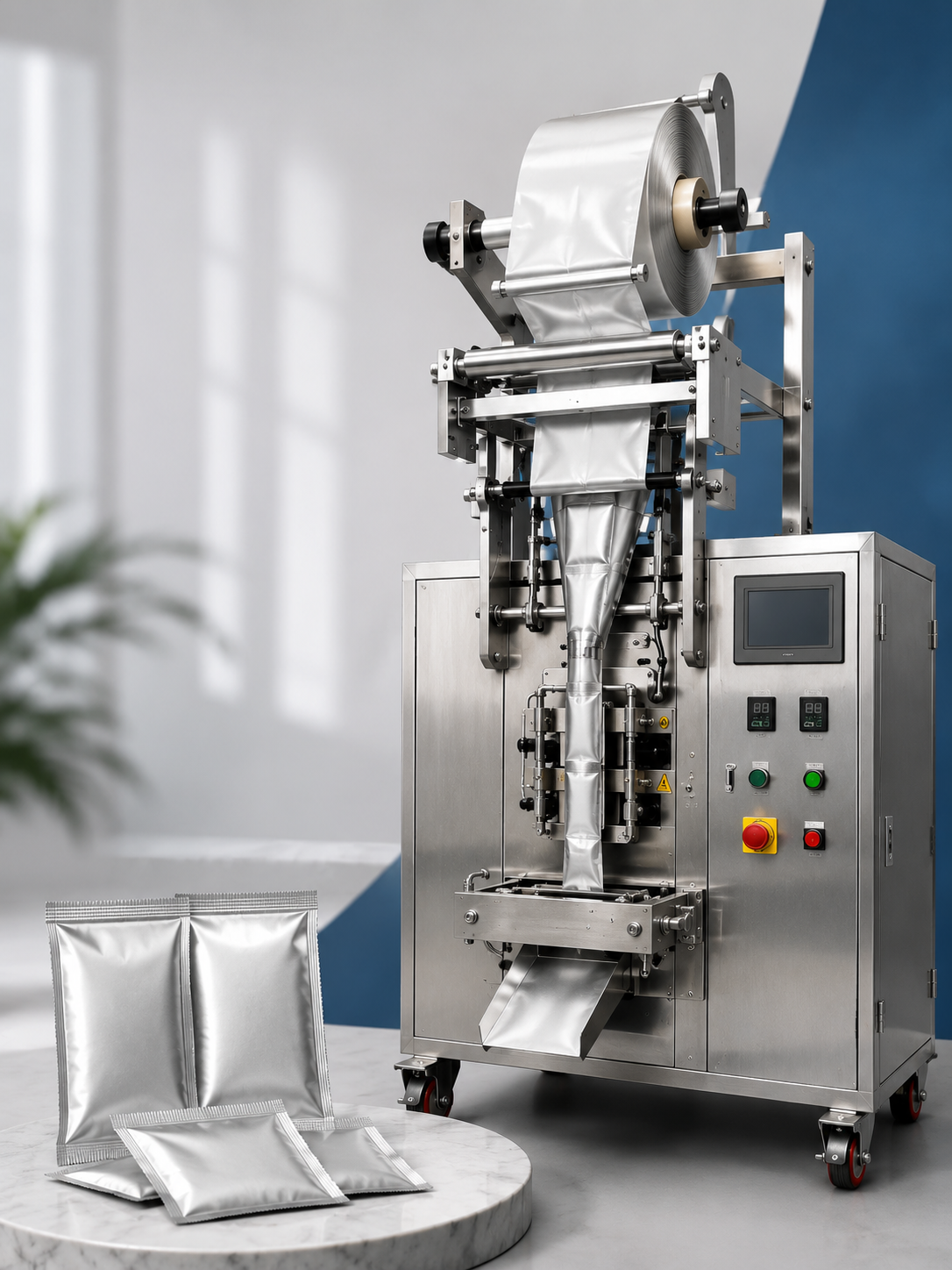
In the fast-moving world of modern manufacturing, efficiency is the most important factor for success. If you are looking to scale your production and provide convenient, single-use portions to your customers, a sachet packaging machine is likely at the top of your equipment list. These versatile systems are the backbone of industries ranging from food and beverage to skincare and pharmaceuticals. However, a common question arises for growing businesses: Can one single machine handle both liquid and powder products?
The short answer is yes, but there are several technical nuances you need to understand before making an investment. While the "body" of the machine remains the same, the dosing mechanism is what determines the type of product it can handle. In this guide, we will explore the mechanics of sachet packaging, the differences in filling systems, and how you can achieve maximum versatility on your production line.
Understanding the Anatomy of a Sachet Packaging Machine
Before we dive into the liquid versus powder debate, it is helpful to understand how these machines operate. A sachet machine is typically a Vertical Form Fill Seal (VFFS) system. It takes a flat roll of laminate film, shapes it into a small pouch, seals the bottom and sides, fills it with the product, and then seals the top.
The machine consists of two primary components. The first is the "bagger," which handles the film and the sealing process. The second is the "filler" or "doser," which sits on top of the bagger and measures the exact amount of product to be dispensed. This modular design is the reason why some machines can be adapted for different product types.
The Role of Filling Systems
The main reason why a standard machine cannot instantly switch from honey to flour is the way these substances flow. Liquids and powders require completely different physical mechanisms to ensure accuracy and prevent mess.
1. Liquid Filling Systems (Pumps)
Liquids require a closed system to prevent leaks and ensure a hygienic fill. For thin liquids like water or tea, a gravity filler might suffice. However, for thicker liquids like sauces, creams, or gels, a piston pump or a peristaltic pump is used. These pumps use suction and pressure to move a precise volume of liquid into the sachet.
2. Powder Filling Systems (Augers and Volumetric)
Powders do not flow like liquids. Fine powders like flour or protein supplements can be "dusty," while granulated products like sugar or salt flow more freely. To measure these accurately, manufacturers use an auger filler. This is a large screw that rotates a specific number of times to drop a precise weight of powder. For free-flowing granules, a volumetric cup filler is often the preferred choice.
Can You Use One Machine for Both?
The possibility of using one sachet packaging machine for both liquids and powders depends on the modularity of the equipment. If you purchase a machine with an integrated, non-removable filler, you are limited to that specific product type. However, many modern machines are designed with "interchangeable dosing heads."
The "Combo" Approach
Some manufacturers offer hybrid systems. In this setup, the base unit is designed to accept different types of fillers. When you want to package a liquid, you mount the piston pump. When it is time to package a powder, you remove the pump and install the auger filler.
The Challenges of Versatility
While owning one machine for both applications saves floor space and initial capital, there are three main challenges to consider:
-
Changeover Time: Switching from a liquid filler to a powder filler can take anywhere from thirty minutes to several hours. This includes the physical swap and the calibration of the sensors.
-
Cleaning and Sanitation: Cleaning a machine that has just processed a sticky liquid so that it can safely process a dry powder is a labor-intensive task. Any moisture left in the system can cause powders to clump and clog the machine.
-
Film Compatibility: Sometimes, the film used for liquids requires different sealing temperatures or pressure than the film used for powders.
Key Differences in Packaging Liquids vs. Powders
To help you decide if a multi-purpose machine is right for you, let us look at the specific requirements for each state of matter.
Packaging Liquids
-
Seal Integrity: Liquid sachets are under constant internal pressure. The seals must be incredibly strong to prevent leaking during shipping.
-
Splashing: The machine must be timed perfectly to ensure the liquid does not splash onto the seal area. If the seal area is contaminated with liquid, the sachet will not close properly.
-
Viscosity Changes: If your liquid changes thickness based on temperature, you may need a heated hopper to keep the product flowing consistently.
Packaging Powders
-
Dust Control: Fine powders create dust that can interfere with the electronics and the sealing jaws. Many powder machines include dust extraction systems.
-
Clumping: If the environment is humid, powder can clump in the hopper. This requires a "bridge breaker" or a vibration system to keep the product moving.
-
Accuracy: Powders can be compressed. An auger filler must be finely tuned to ensure that the density of the powder remains consistent so that every sachet weighs exactly the same.
Choosing the Right Automatic Packaging Machine
When your business reaches a certain volume, manual filling is no longer a viable option. At this stage, investing in a high-quality automatic packaging machine becomes necessary. These systems take the human error out of the equation and provide consistent results at high speeds.
Modern automation technology allows these machines to monitor themselves. For example, if the film is slightly misaligned, the machine can auto-correct. If the product hopper is running low, the system can pause and alert the operator. This level of intelligence is what separates a basic sachet maker from a professional-grade production tool.
If your business plan involves diversifying your product line in the future, you should look for an automatic packaging machine that features a "plug-and-play" interface for different dosing systems. This ensures that your investment is protected even if you move from selling liquid soap to selling powdered laundry detergent.
Is a Multi-Purpose Machine Right for You?
Investing in a single machine for both types of products is usually best for:
-
Startups: Businesses with limited space and a need to test different product formats.
-
Seasonal Producers: Companies that package liquids during one part of the year and powders during another.
-
Low-Volume R&D: Laboratories or test kitchens that need to create samples for various products.
However, for high-volume industrial production, it is almost always better to have dedicated machines. The time lost during changeovers and the risk of cross-contamination often outweigh the cost savings of buying only one unit.
Summary of Benefits
-
Space Saving: One footprint for two different product lines.
-
Lower Initial Investment: Buying one base machine and two fillers is cheaper than buying two complete machines.
-
Flexibility: The ability to pivot your business model based on market demand.
Conclusion
A sachet packaging machine is a powerful tool that can indeed handle both liquids and powders, provided you have the correct interchangeable filling heads. By understanding the mechanical differences between a piston pump and an auger filler, you can make an informed decision that suits your current production needs and future growth.
Whether you are packaging hot sauce or protein powder, the goal is the same: a perfect, airtight seal and an accurate dose every single time. Choosing a high-quality automatic packaging machine will ensure that your brand maintains a professional appearance while maximizing your operational efficiency.
Frequently Asked Questions
1. How long does it take to switch a machine from liquid to powder?
On average, a full changeover takes between 45 minutes and 2 hours. This includes removing the current filler, cleaning the contact parts, installing the new filler, and testing the film tension and seal settings.
2. Can I use the same packaging film for both liquids and powders?
It depends on the product. Liquids often require films with better barrier properties and stronger sealant layers to prevent leaks. Powders might use thinner or more breathable films. Always consult with your film supplier to ensure the material is compatible with your specific product.
3. Is it hard to clean a machine when switching between products?
Yes, cleaning is the most critical step. If you are moving from a liquid to a powder, the machine must be 100% dry. Even a tiny amount of moisture can cause the powder to stick to the filling tube, leading to blockages and weight inaccuracies.
4. Are multi-purpose machines more prone to breaking down?
Not necessarily, but they do require more careful maintenance. Because parts are being moved and swapped frequently, there is a higher chance of wear and tear on the mounting brackets and electrical connectors.
5. What is the most important factor when buying a sachet machine?
The dosing accuracy is the most important factor. If your machine is inconsistent, you will either lose money by overfilling or face legal issues and customer complaints by underfilling. Always test your specific product with the manufacturer before purchasing.
Share On :
Tweet | LinkedIn | |