Latest Updates Click Here


How Professional Cleaners Support Hygiene Compliance in Dental Surgeri
How professional cleaners help maintain hygiene compliance in dental surgeries, reduce infection risks, and meet Australia regulatory standards.
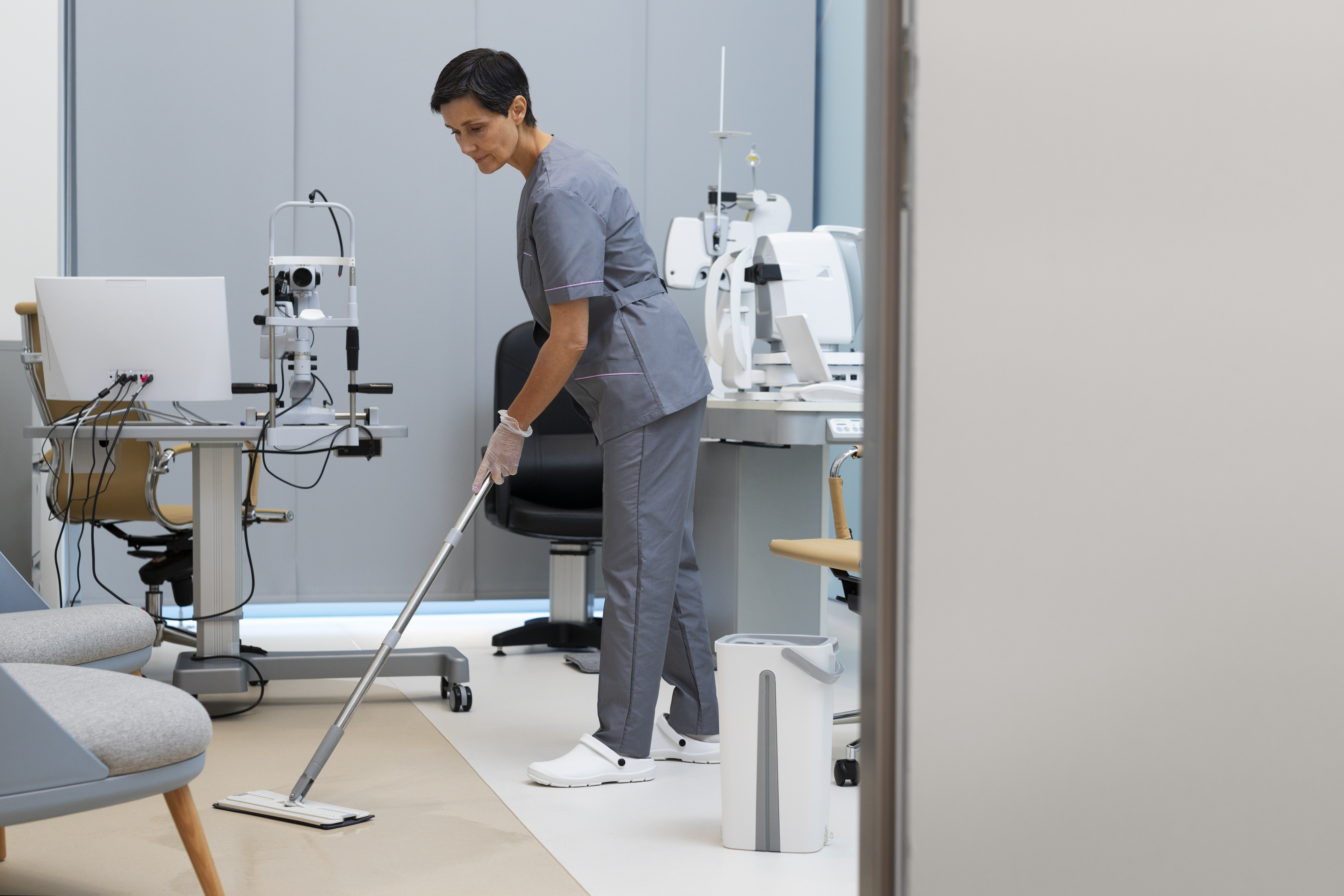
Maintaining high standards of cleanliness in dental environments is not optional. Dental surgeries must meet strict regulatory requirements to protect patients, staff, and visitors from infection risks. Professional cleaners play a vital role in achieving and maintaining these standards by delivering specialist cleaning services designed for clinical settings. Madani cleaning service expertise directly supports hygiene compliance in dental surgeries while allowing dental teams to focus on patient care.

Why Hygiene Compliance Matters in Dental Surgeries
Dental surgeries are high-risk environments. Daily procedures generate aerosols, splatter, and contact with saliva and blood, all of which can carry harmful microorganisms. Without proper cleaning and disinfection, these pathogens can spread quickly.
Hygiene compliance ensures that dental practices:
-
Reduce the risk of cross-contamination
-
Protect vulnerable patients
-
Safeguard dental staff
-
Meet Care Quality Commission (CQC) and UK infection control standards
-
Maintain professional credibility and patient trust
Professional cleaners understand these risks and apply structured cleaning systems to control them effectively.

The Role of Professional Cleaners in Dental Settings
Professional cleaners trained in clinical environments go beyond general cleaning. They follow evidence-based protocols and use medical-grade products suitable for dental surgeries.
Their responsibilities typically include:
-
Cleaning and disinfecting clinical and non-clinical areas
-
Managing high-touch surfaces
-
Supporting infection prevention procedures
-
Working in line with HTM 01-05 guidance
-
Providing documented cleaning records
This structured approach helps dental practices maintain consistent hygiene standards.
How Professional Cleaners Support Hygiene Compliance
Professional cleaning teams contribute to hygiene compliance in dental surgeries by applying specialist knowledge, correct techniques, and appropriate equipment.
1. Targeted Cleaning of High-Risk Areas
Dental surgeries contain multiple high-risk zones that require careful attention, such as:
-
Dental chairs and surrounding units
-
Spittoons and suction systems
-
Worktops and instrument trays
-
Door handles, switches, and taps
Professional cleaners use colour-coded systems and defined cleaning sequences to prevent cross-contamination between these areas.
2. Use of Approved Cleaning Products
Professional cleaners select disinfectants that:
-
Are effective against bacteria, viruses, and fungi
-
Meet UK healthcare standards
-
Are safe for clinical surfaces and equipment
Correct dilution, contact time, and application methods are always followed to ensure effectiveness.
3. Consistent Cleaning Schedules
Regular and planned cleaning supports compliance by ensuring no area is overlooked. Professional cleaners work to:
-
Daily cleaning schedules
-
Weekly deep-clean routines
-
Periodic audits and reviews
This consistency helps dental practices demonstrate ongoing compliance during inspections.
Benefits of Using Professional Cleaners in Dental Surgeries
Employing specialist cleaners offers clear advantages for dental practices.
Key benefits include:
-
Reduced infection risks
-
Improved inspection readiness
-
Accurate cleaning documentation
-
Enhanced patient confidence
-
Less pressure on clinical staff
By outsourcing cleaning to trained professionals, practices maintain safer environments without compromising productivity.
Supporting Staff and Patient Safety
Clean environments protect everyone within the surgery. Professional cleaners understand how to work discreetly around patients and staff while maintaining strict hygiene controls.
They support safety by:
-
Wearing appropriate PPE
-
Following infection control protocols
-
Disposing of waste correctly
-
Reporting hygiene issues promptly
This collaborative approach strengthens the overall infection control strategy of the practice.
Documentation and Compliance Evidence
One key element of hygiene compliance is proof. Professional cleaners often provide:
-
Cleaning logs
-
Checklists
-
Method statements
-
Risk assessments
These records help dental surgeries demonstrate compliance with regulatory bodies and respond confidently to audits or inspections.
Choosing the Right Professional Cleaning Provider
Not all cleaning services are suitable for dental environments. When selecting a provider, dental practices should look for:
-
Experience in healthcare or dental settings
-
Knowledge of UK infection control standards
-
Trained and vetted staff
-
Clear quality assurance processes
The right provider becomes a reliable partner in maintaining hygiene compliance.
Conclusion
Professional cleaners are essential partners in maintaining safe, compliant dental environments. Through specialist training, structured cleaning systems, and attention to high-risk areas, they directly support hygiene compliance in dental surgeries. Their work protects patients, supports staff wellbeing, and ensures dental practices meet regulatory expectations with confidence.
Frequently Asked Questions (FAQs)
1. Why are professional cleaners important in dental surgeries?
They use specialist methods and products designed for clinical environments, reducing infection risks.
2. How often should dental surgeries be professionally cleaned?
Most areas require daily cleaning, with scheduled deep cleans weekly or monthly.
3. Do professional cleaners follow Australian dental regulations?
Yes, reputable providers work in line with HTM 01-05 and CQC requirements.
4. Can professional cleaning improve inspection outcomes?
Yes, consistent cleaning and documentation support positive inspection results.
5. Is professional cleaning cost-effective for dental practices?
Yes, it reduces infection risks, staff workload, and potential compliance issues.
Share On :
Tweet | LinkedIn | |