Latest Updates Click Here


How to Choose a Garment Fabric Supplier for Private Label Clothing Pro
Looking for the right garment fabric supplier? Learn what to evaluate, what questions to ask, and which red flags to avoid for private label clothing production.
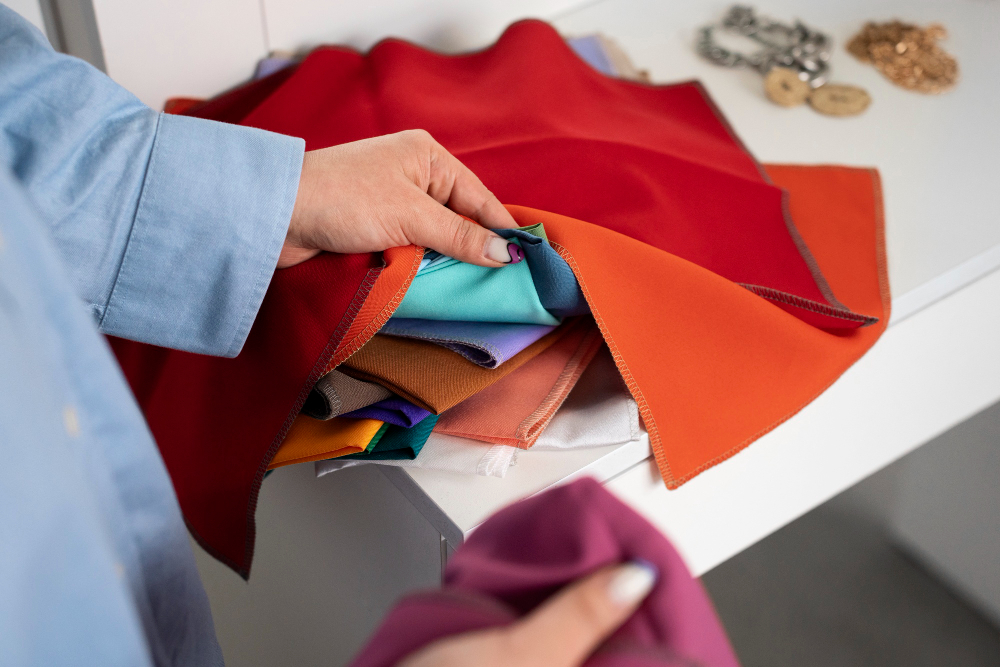
Choosing the right garment fabric supplier affects your product quality, delivery timelines, and brand reputation. Evaluate suppliers based on material consistency, certifications, pricing, lead times, and communication. Starting with small test orders and building long-term partnerships leads to better outcomes for your private label brand.
Private label clothing production has grown significantly over the past decade. More brands—from solo founders to established retailers—are moving toward custom manufacturing to control quality, pricing, and brand identity. And at the center of every great garment is one thing: the fabric.
Your choice of fabric supplier shapes everything. Inconsistent materials ruin customer trust. Long lead times miss market windows. Poor communication causes costly mistakes. The right garment fabric supplier, on the other hand, becomes one of your most valuable business assets.
This guide walks you through exactly what to evaluate, what to ask, and what warning signs to avoid when choosing a supplier for your private label line.
Key Factors to Evaluate When Choosing a Fabric Supplier
Does the Supplier Deliver Consistent Quality Across Batches?
Quality on the first sample means nothing if the third production run looks different. Material consistency across batches is non-negotiable for private label brands. Request multiple samples across different lots and compare them. Look for uniformity in weight, texture, color, and shrinkage.
If you work with a garment fabric manufacturer that handles dyeing and printing in-house, consistency tends to be higher. Companies like Fabriclore Pvt Ltd operate with tech-enabled platforms that give brands visibility into production and delivery—making it easier to track quality at every stage.
Is the Pricing Competitive, and What Are the MOQs?
Fabric wholesale pricing varies widely depending on material type, order volume, and supplier location. Always request a clear price breakdown—including any charges for custom printing, dyeing, or finishing.
Minimum Order Quantities (MOQs) are equally important. High MOQs can lock up your cash flow before you've validated a product. Look for suppliers that offer low MOQs without significantly compromising the per-unit price. Fabriclore Pvt Ltd, for example, offers customized fabric at low MOQs for fashion businesses globally—a practical option for brands that are scaling.
Can the Supplier Handle Your Production Capacity and Lead Times?
A supplier might produce great fabric—but if they can't scale with you, you'll face bottlenecks. Understand their current capacity, average lead times, and how they handle peak production periods. Ask whether they've worked with brands at a similar growth stage to yours.
What Certifications Do They Hold?
Certifications signal credibility. Look for internationally recognized standards like:
- OEKO-TEX Standard 100 – Tests for harmful substances in fabric
- GOTS (Global Organic Textile Standard) – Covers organic fiber and ethical processing
- GOTS or Fair Trade certification – Relevant if sustainability is part of your brand story
A certified garment fabric supplier reduces your risk of compliance issues—especially if you sell in markets with strict import regulations.
How Do They Approach Sustainability and Ethical Sourcing?
Consumers pay attention to how products are made. Suppliers who can document their sourcing, labor practices, and environmental impact give your brand a credible story to tell. Ask for sourcing documentation and check whether they offer sustainable fabric options like Tencel, Modal, Liva, or Ecovero.
How Responsive Is Their Customer Support?
Poor communication costs money. Delayed responses, vague answers, and unresponsive account managers all signal operational problems. Test this before you commit—send a detailed inquiry and note how quickly and thoroughly they respond.
Questions to Ask Potential Garment Fabric Suppliers
Before signing any agreement, get clear answers to these questions:
- What is your quality control process? Do they test each batch, or only inspect on request?
- Can you provide fabric samples and references from existing clients? Any reputable supplier will offer both.
- What are your lead times, and how flexible are you on order sizes? Know the standard timelines upfront.
- Do you hold certifications for sustainable or ethical production? Request documentation, not just verbal confirmation.
- How do you handle rush orders or last-minute changes? This reveals how adaptable they are when things go sideways.
These questions aren't just due diligence—they help you understand how a supplier operates day-to-day.
Red Flags to Avoid When Selecting a Fabric Supplier
Not every supplier is worth your time. Watch for these warning signs:
- Inconsistent quality or unreliable delivery history — Ask for references and check them.
- Lack of transparency about sourcing or manufacturing — Vague answers about where materials come from should concern you.
- Refusal to provide samples or client references — This is a non-starter.
- Pricing that seems too good to be true — Extremely low prices often mean compromised quality or unethical labor practices.
- Slow or poor communication — If they're hard to reach before you're a customer, it only gets worse after.
A fabric wholesale deal that saves money upfront can easily cost far more in returns, rework, and damaged brand reputation down the line.
How to Build a Long-Term Supplier Partnership
Start Small Before You Scale
Place a smaller initial order to test quality, lead times, and communication before committing to large volumes. This protects your cash flow and gives you real data on how the supplier performs.
Set Clear Expectations From the Start
Define quality standards, packaging requirements, and communication protocols in writing. A shared understanding of expectations prevents most production disputes before they happen.
Schedule Regular Production Check-Ins
Build a routine of progress updates—especially during active production runs. This keeps both parties aligned and allows you to catch issues early.
Negotiate Long-Term Contracts for Better Rates
Once you've validated a supplier's reliability, a longer-term agreement often unlocks better pricing and prioritized production slots. It also gives the supplier confidence to invest in your account.
Keep Backup Suppliers on Hand
Even your best supplier can face disruptions—raw material shortages, factory issues, or shipping delays. Maintaining relationships with one or two backup garment fabric suppliers ensures your production line doesn't stop if your primary supplier has problems.
The Right Supplier Is a Business Decision, Not Just a Purchase
Choosing a garment fabric supplier takes more time upfront—but that time pays off. Consistent quality builds customer loyalty. Reliable lead times protect your launch dates. Transparent sourcing strengthens your brand story.
Whether you're sourcing locally or working with an online supplier like Fabriclore Pvt Ltd—trusted by 400+ private labels globally—apply the same evaluation framework. Ask the hard questions, test before you scale, and build relationships that last.
Your fabric supplier isn't just a vendor. They're a foundation of your product.
Frequently Asked Questions
What should I look for in a garment fabric supplier as a new brand?
Start with suppliers that offer low MOQs, provide samples, and have clear communication. Certifications like OEKO-TEX add credibility. Test quality across at least two batches before placing a large order.
How do I find reliable fabric wholesale suppliers for private label production?
Research online directories, attend trade shows, and ask for referrals from other brands in your niche. Platforms like Fabriclore Pvt Ltd offer fabric wholesale options with customization and low MOQs for private label brands.
What certifications should a garment fabric manufacturer have?
Look for OEKO-TEX Standard 100, GOTS, or Fair Trade certifications depending on your sustainability requirements and target markets. These certifications confirm material safety and ethical production standards.
How do I avoid getting burned by a bad supplier?
Always request samples and client references. Start with a small test order. Avoid suppliers with unusually low prices and poor communication. Transparency about sourcing and manufacturing is a strong positive signal.
When should I consider switching fabric suppliers?
If you consistently experience quality inconsistencies, missed deadlines, or poor communication—even after raising concerns directly—it's time to evaluate alternatives. Always have a backup supplier relationship in place before making a switch.
Share On :
Tweet | LinkedIn | |