Latest Updates Click Here


Speech Disorders Therapy: Helping Words Come Through
Trouble being understood? Learn how speech disorder therapy improves articulation, clarity, and confidence for children and adults alike.
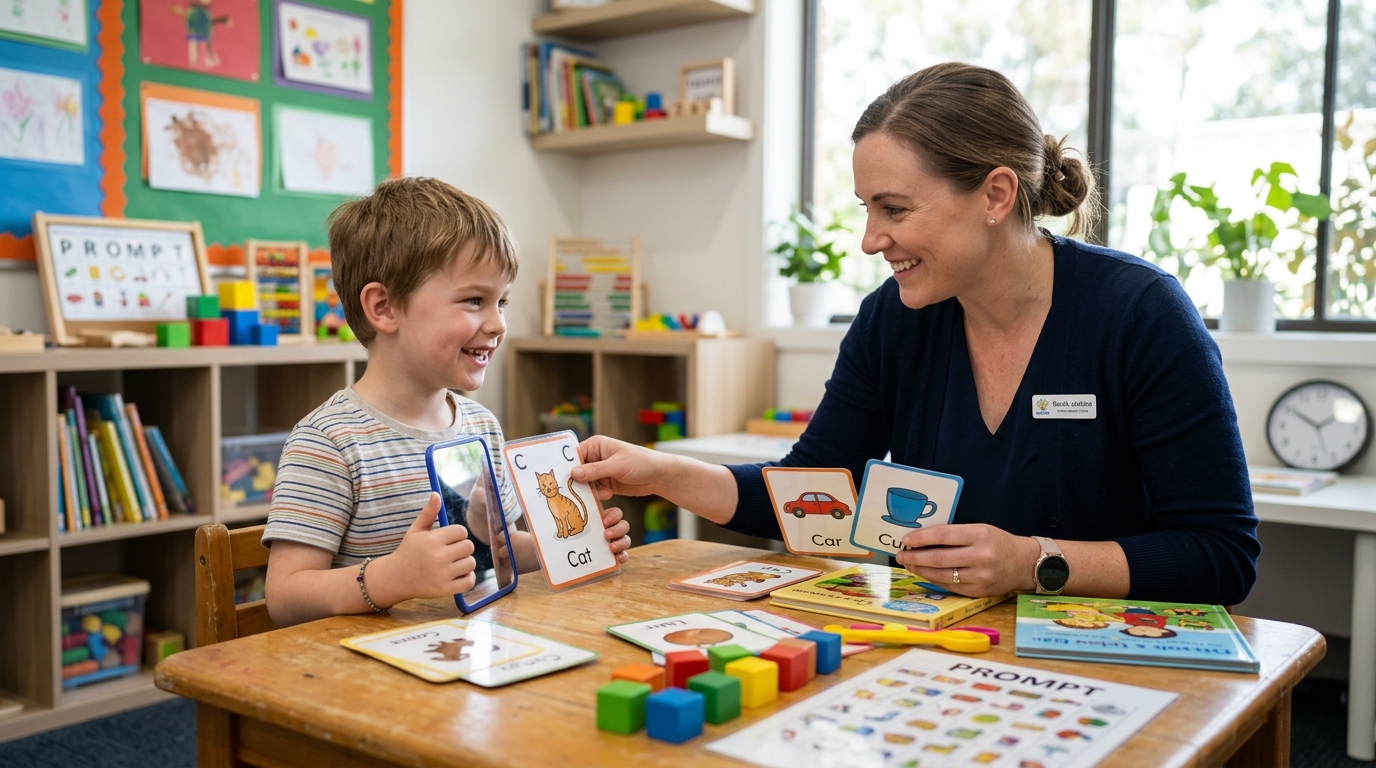
Your child mixes up sounds, or you find yourself repeating words just to be understood. Listeners ask "what?" again and again, and the speaker grows quiet rather than face it. Unclear speech chips away at confidence and connection. Speech disorders therapy targets the exact sounds and patterns causing trouble, turning frustrating communication into clear, confident conversation for children and adults alike.
What a Speech Disorder Looks Like
A speech disorder affects how clearly someone produces sounds. The message is there, but the listener cannot fully decode it.
Signs vary widely. Some people substitute one sound for another, some leave sounds out, and others distort them.
The result is the same. Communication breaks down, and the speaker often carries the strain of not being understood.
Common Types of Speech Disorders
Articulation problems involve trouble forming specific sounds. A child who says "wabbit" for "rabbit" shows a classic example.
Phonological disorders affect sound patterns. The child may drop the ends of words or simplify groups of sounds in a predictable way.
Motor speech disorders run deeper. Conditions like apraxia disrupt the brain's ability to plan and coordinate the movements speech requires.
Why Early Help Matters
Speech develops on a rough timeline. By certain ages, children typically master certain sounds, and clear milestones guide expectations.
Delays deserve attention. When a child falls well behind peers, early therapy prevents the gap from widening.
Young children adapt quickly. The earlier they receive targeted help, the more naturally correct patterns tend to take hold.
How Therapy Begins
Treatment starts with a careful assessment. The specialist listens closely and identifies exactly which sounds or patterns cause trouble.
That precision matters. A focused plan targets the specific errors rather than vaguely working on speech in general.
The specialist also checks related skills. Hearing, oral movement, and language all influence speech and shape the plan. Personalized speech disorders therapy in Lahore turns that assessment into a clear, step-by-step path forward.
Building Sounds Step by Step
Therapy teaches sounds in a logical order. The therapist starts where success comes easily, then builds toward harder targets.
Each sound progresses through stages. The client practices it alone, then in syllables, words, sentences, and finally natural conversation.
This structure prevents overwhelm. Mastering one level before the next keeps the client confident and progress steady.
Practice Drives Results
Sessions plant the seeds, but practice grows them. Skills strengthen through repetition between appointments.
Short daily practice beats occasional cramming. A few focused minutes each day cements new patterns far better than rare long sessions.
Make practice part of life. Naming objects, reading aloud, and playing word games all reinforce target sounds naturally.
Supporting Adults With Speech Disorders
Speech disorders affect adults too. A stroke, injury, or progressive condition can change clear speech later in life.
Therapy helps adults recover and adapt. It rebuilds clarity and teaches strategies to communicate effectively despite ongoing challenges.
Dignity stays central. Adults relearn skills with support that respects their experience and focuses on real-life communication.
The Family's Role
Family members hear the speaker most. That makes them powerful partners in progress.
Respond to the message, not the error. Patient, encouraging listening keeps the speaker motivated to keep trying.
Reinforce targets gently. When you model a sound correctly instead of correcting harshly, the speaker learns without losing confidence.
Confidence Grows With Clarity
Unclear speech often breeds silence. Speakers who fear being misunderstood may withdraw from conversation altogether.
Therapy reverses that. As speech grows clearer, the person speaks up more, and each success builds further confidence.
That momentum matters as much as the sounds. A confident communicator practices more and improves faster.
Tracking Meaningful Progress
Progress shows up in real moments. A correctly produced sound in conversation marks a true milestone.
Notice those moments. A word once avoided now spoken clearly proves the plan is working.
Adjust goals over time. As one target masters, the focus shifts to the next, keeping therapy efficient and purposeful.
Understanding the Causes
Speech disorders arise for many reasons. Some trace to physical differences, others to how the brain coordinates speech.
Pinpointing the cause guides treatment. A motor planning issue calls for a different approach than a simple articulation error.
The specialist investigates carefully. That groundwork ensures the plan targets the real obstacle, not just the symptom.
The Link to Reading
Speech and reading connect closely. Children who struggle with sounds sometimes struggle to read them too.
Therapy can support both. Strengthening sound awareness often helps speech and early literacy at the same time.
Watch for the overlap. Addressing it early prevents one challenge from compounding the other.
Staying Motivated Through Practice
Repetitive practice can feel dull, especially for children. Keeping it engaging sustains effort over time.
Make it playful. Games, rewards, and variety turn drills into something a child actually wants to do.
Celebrate effort. Recognizing hard work keeps motivation high through the slower stretches of progress and builds momentum that carries forward.
Moving Toward Clear Communication
Clear speech opens doors. It strengthens friendships, supports learning, and builds the confidence to be heard.
A speech disorder responds well to focused, consistent therapy. The right plan targets the cause and rebuilds clarity sound by sound.
Start with an assessment and a clear goal. From there, steady practice carries the speaker forward, until words once tangled come through clearly and confidently in every conversation that matters.
Share On :
Tweet | LinkedIn | |