Latest Updates Click Here


The Definitive Guide to Remote Environmental Monitoring: Applications,
Discover how remote environmental monitoring systems track crucial data like temperature, humidity, and air quality in real-time. Learn about key industries and choose the right solution for your needs with Ubibot.
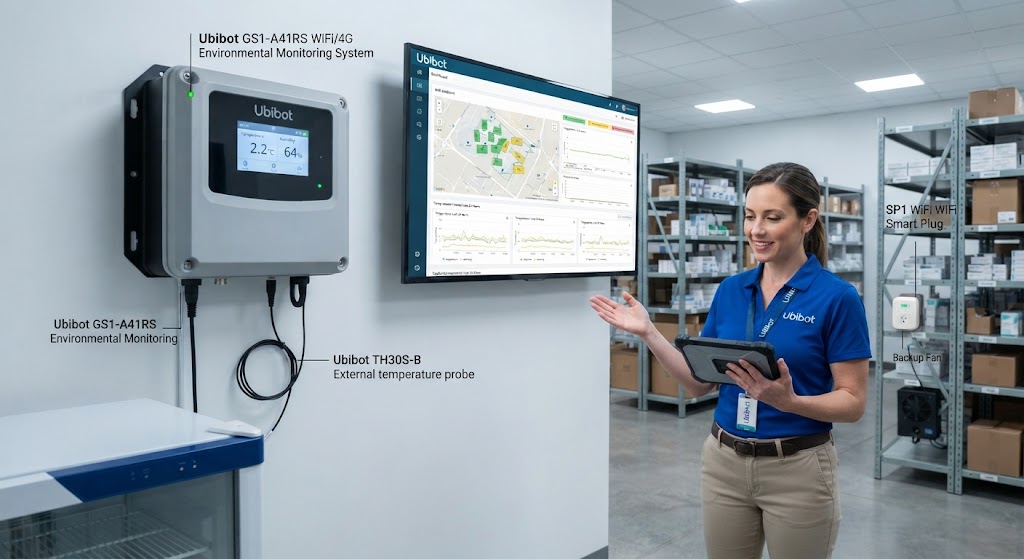
In an increasingly digitized and regulated world, the ability to accurately track environmental conditions across diverse, often inaccessible locations has moved from a luxury to a critical operational necessity. Whether ensuring the stability of life-saving vaccines in a remote clinic, monitoring air quality across a sprawling smart city, or optimizing yield in an agricultural greenhouse, continuous visibility is paramount.
This requirement has given rise to sophisticated Remote Environmental Monitoring systems. These technology-driven platforms eliminate the need for manual data logging and physical site inspections, providing real-time insights, automated alerts, and historical analysis—all from a centralized dashboard, anywhere in the world.
This comprehensive guide explores the architecture, applications, and transformative benefits of deploying advanced remote environmental monitoring systems, concluding with why Ubibot stands out as a premier provider in this dynamic market.
Understanding Remote Environmental Monitoring: Architecture and Components
At its core, remote environmental monitoring involves the use of Internet of Things (IoT) devices, sensors, and cloud platforms to collect, transmit, and analyze environmental data without requiring human presence at the measurement site.
A typical system architecture consists of four integrated layers:
The Sensing Layer (Edge Devices)
This is the frontline of the system. A wide array of sensors can be deployed to measure specific parameters tailored to the application. While temperature and humidity are the most common, modern IoT sensors are capable of monitoring:
-
Air Quality (VOCs, CO2, PM2.5, PM10)
-
Water Quality (pH, Dissolved Oxygen, Turbidity, Conductivity)
-
Soil Moisture and Temperature
-
Barometric Pressure and Light Levels
-
Vibration and Acceleration (for predictive maintenance) These smart sensors are designed to be low-power and robust, often capable of operating independently for extended periods.
Connectivity and Data Transmission
Once data is captured, it must be transmitted securely to a central platform. Selecting the appropriate connectivity protocol is crucial for balancing power consumption, range, and bandwidth. Common options include:
-
WiFi: Excellent for indoor environments with existing infrastructure.
-
Cellular (4G LTE/NB-IoT): Ideal for remote assets or mobile fleets where local infrastructure is unavailable. This is the backbone of true remote monitoring.
-
LoRaWAN/Sigfox: Perfect for low-power, long-range deployments, such as smart agriculture fields or large campuses with many sensors.
The Cloud Platform and Data Processing
The transmitted data arrives at the cloud platform, which serves as the central nervous system. This platform is responsible for:
-
Data Ingestion and Normalization: Processing raw data streams into a readable format.
-
Visualization: Presenting complex data on intuitive, user-friendly dashboards, graphs, and heatmaps.
-
Data Historian: Storing historical data for long-term trend analysis and compliance reporting.
The Action Layer (Alerts and APIs)
The primary value of remote monitoring is proactivity. The platform analyzes incoming data against predefined thresholds and triggers immediate alerts via SMS, email, or push notifications if conditions deviate from the norm. Furthermore, robust API integration allows this environmental data to feed directly into other enterprise systems (like BMS or ERP software).
Key Benefits of Adopting Remote Environmental Monitoring Systems
The shift from manual, reactive monitoring to automated, real-time remote oversight delivers measurable return on investment (ROI) across virtually every industry.
Proactive Risk Mitigation and Asset Protection
For industries dealing with perishable goods, sensitive materials, or critical infrastructure, a failure in environmental control can be catastrophic. Remote monitoring acts as an early warning system. Whether it’s a refrigerator failure in a pharmacy or a flooding event in a server room, immediate alerts allow personnel to intervene before the inventory is lost or the infrastructure is damaged.
Assured Regulatory Compliance and Audit Readiness
Many industries—including pharmaceuticals, food and beverage, healthcare, and data center operations—are governed by stringent regulations (such as FDA CFR Part 11, HACCP, or GxP). Remote environmental monitoring automates the logging process, generating tamper-proof digital audit trails. This eliminates the risk of human error associated with manual clipboards and ensures organizations are always prepared for audits.
Enhanced Operational Efficiency and Cost Reduction
Manual data collection is labor-intensive and costly. Remote systems automate this entire workflow, freeing up staff to focus on core activities rather than routine checks. Furthermore, the data gathered often reveals inefficiencies. For instance, monitoring energy consumption alongside environmental data can optimize HVAC systems, leading to significant cost savings.
Improved Decision-Making with Data-Driven Insights
Remote monitoring platforms do more than just report current conditions; they allow for deep analysis. By reviewing historical trends, facility managers can make informed decisions about capital investments (e.g., when to upgrade old equipment), staffing levels, and process improvements.
Versatile Applications Across Industries
Remote environmental monitoring is a horizontal technology, essential for a wide spectrum of use cases:
Healthcare and Pharmaceuticals
Monitoring blood banks, operating rooms, vaccine storage freezers, and pharmaceutical warehouses is critical. Remote systems ensure temperature and humidity remain within strict tolerances, safeguarding the efficacy of life-saving medicines.
Smart Agriculture and Greenhouses
In precision agriculture, monitoring soil moisture, pH levels, light, and temperature helps automate irrigation and fertilization, optimizing crop yields while conserving water and resources. Remote monitoring is vital for large-scale or hydroponic operations.
Data Centers and IT Infrastructure
Server rooms require precise environmental control. Monitoring rack temperature, humidity, and airflow prevents equipment overheating, which can cause catastrophic IT downtime and data loss.
Smart Buildings and Commercial Real Estate
Remote monitoring supports facility managers in maintaining healthy indoor air quality (IAQ) and optimizing energy usage in HVAC systems. It also monitors for water leaks in critical areas like bathrooms, plant rooms, and kitchens.
Cold Chain and Logistics
Tracking goods in transit is a major challenge. Cellular-enabled remote monitoring sensors provide real-time visibility into the location and environmental conditions (temperature, shock) of perishable shipments, from the warehouse to the final destination.
Conclusion
Implementing a remote environmental monitoring system is a critical step toward operational resilience and regulatory compliance. However, the success of the deployment depends entirely on the reliability, scalability, and usability of the chosen platform. Businesses need a solution that offers robust hardware, intuitive software, and a steadfast commitment to data security.
This is where Ubibot excels. Ubibot has established itself as a global leader in the IoT monitoring space by providing comprehensive, end-to-end solutions that are both powerful and accessible.
Ubibot’s ecosystem is designed for ultimate flexibility, offering a wide range of WiFi and cellular-connected sensors (such as the GS1 series) that excel in various environments, from standard offices to extreme industrial cold storage. What sets Ubibot apart is its sophisticated, yet user-friendly, cloud platform. The platform offers real-time data visualization, customizable multi-level alerts (via email, SMS, and voice call), and robust API access, ensuring that critical data is always actionable.
Furthermore, Ubibot places a premium on security and scalability. Their platform is built to grow with your business, whether you are monitoring a single remote clinic or thousands of distributed cold-chain assets globally. By choosing Ubibot’s remote environmental monitoring solutions, organizations gain more than just data; they gain the peace of mind that comes from having complete, intelligent control over their physical operations, anywhere in the world.
In an increasingly competitive and regulated global market, leveraging the power of advanced IoT remote monitoring is no longer optional it is a strategic imperative. With Ubibot as your technology partner, you can unlock new levels of efficiency, security, and insight, ensuring your business is prepared for the future of connectivity.
Also see our guide.
Share On :
Tweet | LinkedIn | |