Latest Updates Click Here


Where to Buy Cotton Fabric Online for Fashion Brands
Looking to buy cotton fabric wholesale online? This guide covers the best suppliers, buying tips, and how to get the best deals for your fashion brand.
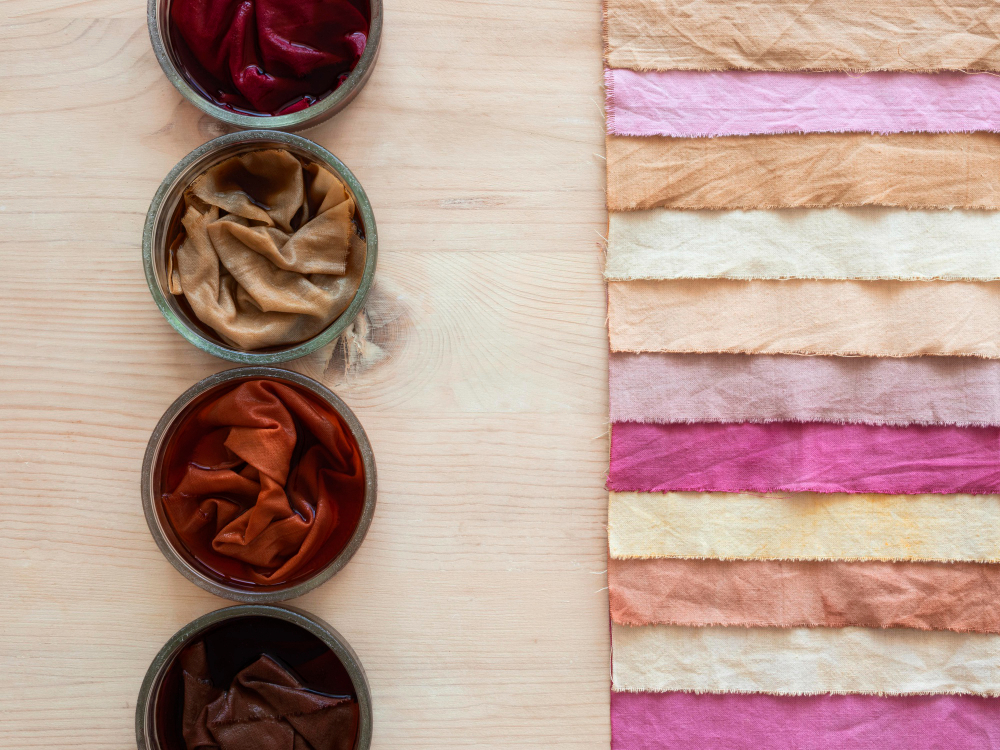
Cotton is the backbone of the fashion industry. Soft, breathable, and endlessly versatile—it's the fabric behind everything from everyday basics to premium apparel lines. But sourcing quality cotton fabric at the right price? That's where many fashion brands struggle.
Buying cotton fabric online changes the equation. You get access to a wider supplier network, better wholesale pricing, and the ability to compare options without leaving your desk. Whether you're scaling up production or placing your first bulk order, this guide walks you through exactly where to buy fabric online and how to get the best deal.
Why Buy Cotton Fabric Online?
Local fabric stores have their place, but they come with real limitations—limited stock, fixed pricing, and no easy way to compare suppliers. Online sourcing removes those barriers.
Here's why more fashion brands are moving their fabric buying online:
- Wider selection: Access hundreds of cotton fabric varieties—poplin, twill, muslin, jersey, voile—from suppliers across the globe.
- Wholesale pricing: Most online platforms offer tiered pricing, meaning the more you order, the less you pay per meter.
- Convenience: Place orders anytime, track shipments in real time, and manage your supply chain from one dashboard.
- Easy comparison: Compare fabric weight, thread count, pricing, and reviews across multiple suppliers in minutes.
For growing fashion brands, these advantages add up quickly.
Top Places to Buy Cotton Fabric Wholesale Online
Not all suppliers are equal. Here's a breakdown of your main options:
Direct Manufacturer Websites
Buying directly from a cotton fabric manufacturer cuts out the middleman. You get better pricing, more control over fabric specifications, and the ability to request custom dyeing or printing. The tradeoff? Higher minimum order quantities (MOQs) and longer lead times.
B2B Fabric Marketplaces
Platforms like Alibaba, IndiaMART, and Global Sources connect fashion brands with verified fabric suppliers worldwide. These marketplaces work well for bulk orders and give you access to competitive cotton fabric wholesale rates. Always verify supplier credentials before committing to a large order.
Specialized Online Fabric Retailers
Some platforms focus exclusively on fabric—offering curated selections, quality guarantees, and smaller MOQs suited for growing brands. These are a good middle ground between marketplaces and direct manufacturers.
Fabriclore Pvt Ltd
For fashion brands looking for a reliable, quality-first supplier—both online and locally—Fabriclore Pvt Ltd stands out as one of the best options available. Trusted by 400+ private labels globally, Fabriclore offers:
- A wide range of cotton fabrics at competitive wholesale prices
- Low minimum order quantities, making it accessible for both small and large brands
- Customized fabric design, dyeing, and printing services
- A tech-enabled platform with delivery transparency and dedicated customer support
Fabriclore makes it easy to buy fabric online without compromising on quality or reliability. It's a strong first stop for any fashion brand building a consistent supply chain.
What to Look For When Buying Cotton Fabric
Shopping online means you can't feel the fabric before buying. That's why knowing what to look for—on paper—matters.
Thread count and fabric weight: Higher thread counts generally mean softer, more durable fabric. Fabric weight (measured in GSM—grams per square meter) tells you how heavy or lightweight a material is. Choose based on your product's intended use.
Color fastness and shrinkage: Poor quality cotton will fade after washing or shrink unevenly. Ask suppliers for test results on both before ordering in bulk.
Minimum order quantities (MOQs) and pricing tiers: Understand the minimum commitment required and at what quantity your pricing drops. This helps with cash flow and production planning.
Return policies and reviews: Read customer reviews carefully. A supplier with consistent five-star ratings across multiple orders is a much safer bet than one with a handful of glowing testimonials.
Certifications: Look for certifications like OEKO-TEX Standard 100 or GOTS (Global Organic Textile Standard) if sustainability matters to your brand or your customers.
How to Get the Best Deals on Cotton Fabric Wholesale
Pricing on cotton fabric wholesale varies significantly across suppliers and platforms. Here's how to make sure you're getting a fair deal:
- Order in bulk: Most suppliers drop their per-meter rate once you cross certain quantity thresholds. Plan your orders to hit those tiers.
- Compare across platforms: Don't settle on the first quote. Get pricing from at least three suppliers before committing.
- Sign up for newsletters: Many suppliers run seasonal promotions or send exclusive discount codes to their email lists.
- Build long-term relationships: Repeat buyers often get better rates, priority processing, and more flexible payment terms. Loyalty pays off in the fabric business.
- Watch for seasonal sales: End-of-season clearances and festive promotions can offer significant savings on high-quality stock.
Tips for First-Time Buyers
Placing your first online bulk order can feel risky. These steps will help you buy with confidence:
- Request samples first: Before committing to a large order, request fabric swatches. Most reputable suppliers offer samples at low or no cost.
- Verify supplier credentials: Check business registration, certifications, and customer references. On platforms like IndiaMART or Alibaba, look for verified supplier badges.
- Confirm delivery timelines: Know exactly when your fabric will arrive. Late deliveries can delay your entire production schedule.
- Factor in shipping costs: A cheaper fabric price can quickly become expensive once shipping is added. Always calculate landed cost.
- Clarify payment terms: Understand deposit requirements, payment schedules, and refund conditions before signing anything.
Build Your Supply Chain Around Reliable Suppliers
Buying cotton fabric online gives fashion brands a real competitive edge—better variety, better pricing, and far more flexibility than traditional sourcing. The key is choosing the right suppliers from the start.
Platforms like Fabriclore Pvt Ltd make it straightforward to access quality cotton fabric at wholesale prices, with the added benefit of customization, low MOQs, and reliable delivery. For brands scaling up, that kind of consistency is invaluable.
Start by requesting samples, comparing a few suppliers, and building relationships that will support your brand for the long term. The right fabric partner doesn't just fill orders—they help your brand grow.
Frequently Asked Questions
What is the best place to buy cotton fabric wholesale online?
Fabriclore Pvt Ltd, Alibaba, and IndiaMART are among the most widely used platforms for cotton fabric wholesale. Fabriclore is particularly strong for fashion brands that need customization, low MOQs, and reliable delivery.
What should I check before buying cotton fabric online?
Check thread count, GSM (fabric weight), color fastness, shrinkage rates, supplier certifications, and customer reviews. Always request a sample before placing a large order.
How do I get better pricing on cotton fabric wholesale?
Order in bulk to hit lower pricing tiers, compare multiple suppliers, and build long-term relationships with reliable vendors. Signing up for supplier newsletters also helps you access exclusive deals.
Is it safe to buy fabric online from international suppliers?
Yes, provided you verify the supplier's credentials, check for certifications, read customer reviews, and use secure payment methods. Start with a small test order before committing to large volumes.
What certifications should I look for in cotton fabric?
OEKO-TEX Standard 100 and GOTS (Global Organic Textile Standard) are two of the most recognized certifications. These indicate the fabric meets safety and sustainability standards.
Share On :
Tweet | LinkedIn | |