Latest Updates Click Here


Why Unboxing Experiences Influence Customer Loyalty
Unboxing experience directly impacts customer loyalty. See how packaging design, sustainable packaging & custom inserts build lasting brand trust.
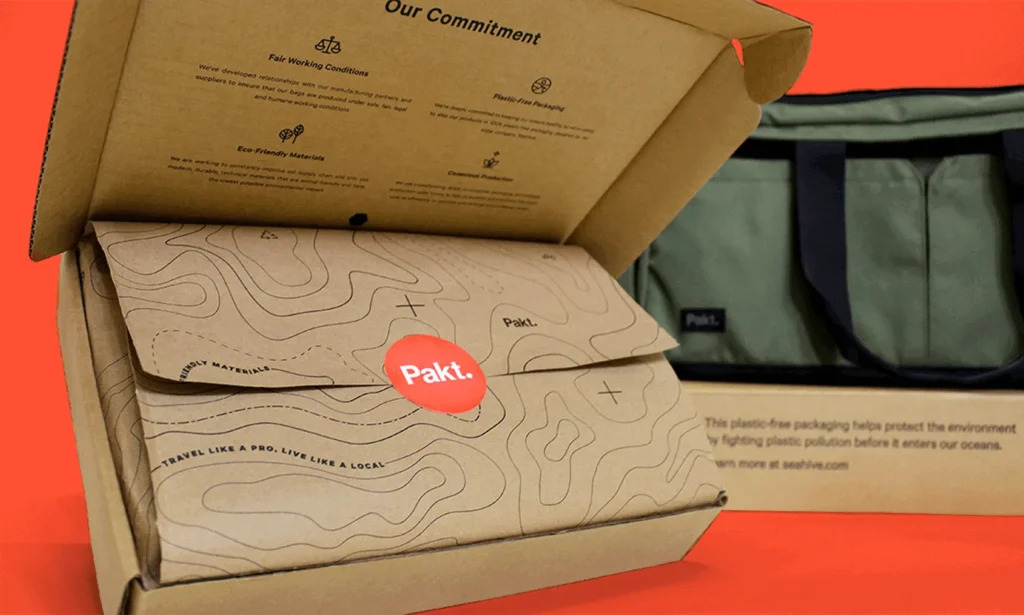
The moment a customer receives a package, their relationship with a brand is already being shaped. A well-designed unboxing experience does more than protect a product it communicates quality, builds trust, and plays a direct role in customer loyalty. In a market where consumers have endless purchasing options, the way a product is presented can be the deciding factor between a one-time buyer and a lifelong customer.
Packaging design has evolved from a purely functional requirement into a strategic marketing tool. Brands that understand this shift use product packaging not just to ship items safely, but to create a memorable, emotional touchpoint that strengthens brand loyalty. This article explores how unboxing shapes customer experience, why unboxing videos have become a cultural phenomenon, and what brands can do to turn packaging into a genuine loyalty-building strategy.
What Is an Unboxing Experience and Why Does It Matter?
An unboxing experience refers to everything a customer sees, touches, and feels from the moment a package arrives to the moment the product is fully revealed. It includes the exterior box design, the interior presentation, any inserts or messaging, and the overall sense of anticipation the packaging creates.
This matters because unboxing is often the first physical interaction a customer has with a brand — especially for online purchases. Unlike browsing a website, opening a box is a tactile, sensory event. It directly shapes brand perception before the customer has even used the product. This is also why unboxing videos have exploded in popularity across social platforms: they capture genuine, unscripted reactions that other potential buyers trust more than traditional advertising.
How Packaging Design Shapes Brand Perception
Packaging is a silent communicator. Before a customer reads a single word of marketing copy, the box itself has already told them something about the brand's values, quality standards, and attention to detail.
The Role of Premium Packaging in First Impressions
Premium packaging signals that a brand takes quality seriously. Sturdy materials, clean typography, and thoughtful structural design all contribute to strong first impressions. This ties directly into packaging psychology — the study of how visual and tactile cues influence consumer emotions and purchase satisfaction. When a box feels solid and well-designed, customers subconsciously transfer that perception of quality onto the product itself, even before opening it.
Sustainable Packaging as a Loyalty Driver
Modern consumers increasingly factor environmental responsibility into their buying decisions. Sustainable packaging — using recyclable, biodegradable, or minimal materials — has become a meaningful differentiator. Brands that prioritize eco-conscious choices often see stronger customer retention, as shoppers feel their values align with the companies they support. Suppliers such as Expert Custom Boxes often work with businesses seeking sustainable, cost-effective solutions like straight tuck box wholesale options, reflecting how widespread this demand has become across industries.
Why Do Customers Love Premium Packaging?
Customers respond emotionally to premium packaging because it transforms an ordinary transaction into an experience. Opening a well-designed box triggers a sense of anticipation similar to unwrapping a gift, even when the customer purchased the item themselves. This emotional lift increases perceived product value and overall satisfaction.
Consumer emotions play a larger role in purchasing behavior than many brands realize. A cheap, flimsy, or poorly designed box can undercut an otherwise excellent product, while a thoughtfully designed one can elevate a modest item into something that feels special. This is why product presentation is now considered a core part of the purchase experience, not an afterthought handled after the "real" marketing work is done.
How Unboxing Experience Affects Brand Loyalty
The connection between unboxing and loyalty isn't accidental — it's built through consistent, intentional design choices that reinforce a positive relationship with the brand over time.
Building Emotional Connection Through Packaging
Small details create outsized emotional impact. Personalized packaging, handwritten thank-you notes, and custom inserts all contribute to emotional branding by making customers feel seen and valued rather than treated as just another order number. These touches increase customer engagement and encourage customers to associate positive feelings with the brand long after the purchase is complete.
From First-Time Buyer to Repeat Customer
A strong first unboxing experience increases the likelihood that a customer returns. This is a critical factor in how unboxing experience affects brand loyalty: consistency builds trust, and trust drives repeat customers. When every order arrives with the same level of care, customers begin to expect and rely on that standard, deepening their loyalty and allegiance to the brand over competitors.
What Role Does Unboxing Play in Social Media Sharing?
Unboxing has become inseparable from social media culture. When packaging is visually appealing or emotionally satisfying, customers are far more likely to photograph or film the moment and share it online. This creates unboxing experience and social media sharing as a natural extension of the customer journey.
This organic sharing generates user-generated content that functions as authentic word-of-mouth marketing — often more persuasive than paid advertising. Each shared post becomes a brand touchpoint reaching new potential customers who trust peer recommendations over traditional promotion.
Best Practices for Creating a Memorable Unboxing Experience
Brands looking to strengthen loyalty through packaging should approach it as a deliberate design process rather than a logistical afterthought.
Custom Inserts and Personalization Techniques
Simple additions — branded tissue paper, custom inserts, discount cards for future purchases, or personalized notes — can transform a standard delivery into a memorable unboxing experience. These elements don't need to be expensive; they need to feel intentional and aligned with the brand's identity.
Choosing the Right Packaging Partner
Sourcing quality materials at scale, such as tuck boxes wholesale, allows growing brands to maintain consistent presentation without inflating costs. The right packaging partner balances durability, visual appeal, and budget, ensuring every customer receives the same quality experience regardless of order volume.
How Packaging Impacts Customer Retention Long-Term
Packaging consistency compounds over time. Each positive unboxing interaction reinforces customer sentiment, and repeated positive experiences generate the kind of positive review language that influences future buyers researching the brand. Over months and years, this consistency becomes a quiet but powerful driver of customer retention, reducing churn and increasing customer lifetime value.
Frequently Asked Questions
Does unboxing experience really affect customer loyalty?
Yes. Unboxing is often a customer's first physical interaction with a brand, and it shapes their emotional response before they even use the product. Consistent, high-quality packaging builds trust over multiple purchases, which is a core driver of long-term loyalty.
What makes an unboxing experience memorable?
Memorable unboxing experiences typically combine sturdy, well-designed packaging with thoughtful personal touches such as custom inserts, branded materials, or handwritten notes. The goal is to create a moment of anticipation and satisfaction that feels intentional rather than purely functional.
How does packaging influence repeat purchases?
When packaging consistently reflects quality and care, customers begin to associate that reliability with the brand as a whole. This builds confidence in future purchases, increasing the likelihood that a one-time buyer becomes a repeat customer.
Is sustainable packaging worth the investment for customer loyalty?
For many brands, yes. Sustainable packaging appeals to environmentally conscious consumers and can strengthen brand perception, particularly among younger demographics who prioritize eco-friendly practices when choosing where to shop.
Conclusion — Turning Packaging Into a Loyalty Strategy
Unboxing is no longer a minor detail in the customer journey — it's a strategic opportunity to build trust, generate organic social sharing, and turn first-time buyers into loyal, repeat customers. Brands that invest in thoughtful packaging design, sustainable materials, and personalized touches position themselves to benefit from stronger customer retention and a more engaged customer base over the long term.
Share On :
Tweet | LinkedIn | |