Latest Updates Click Here


How to Build a Dental Care Plan for the Whole Family
Build a practical family dental schedule for every age, from a child’s first visit to adult prevention, orthodontic checks, and urgent care.
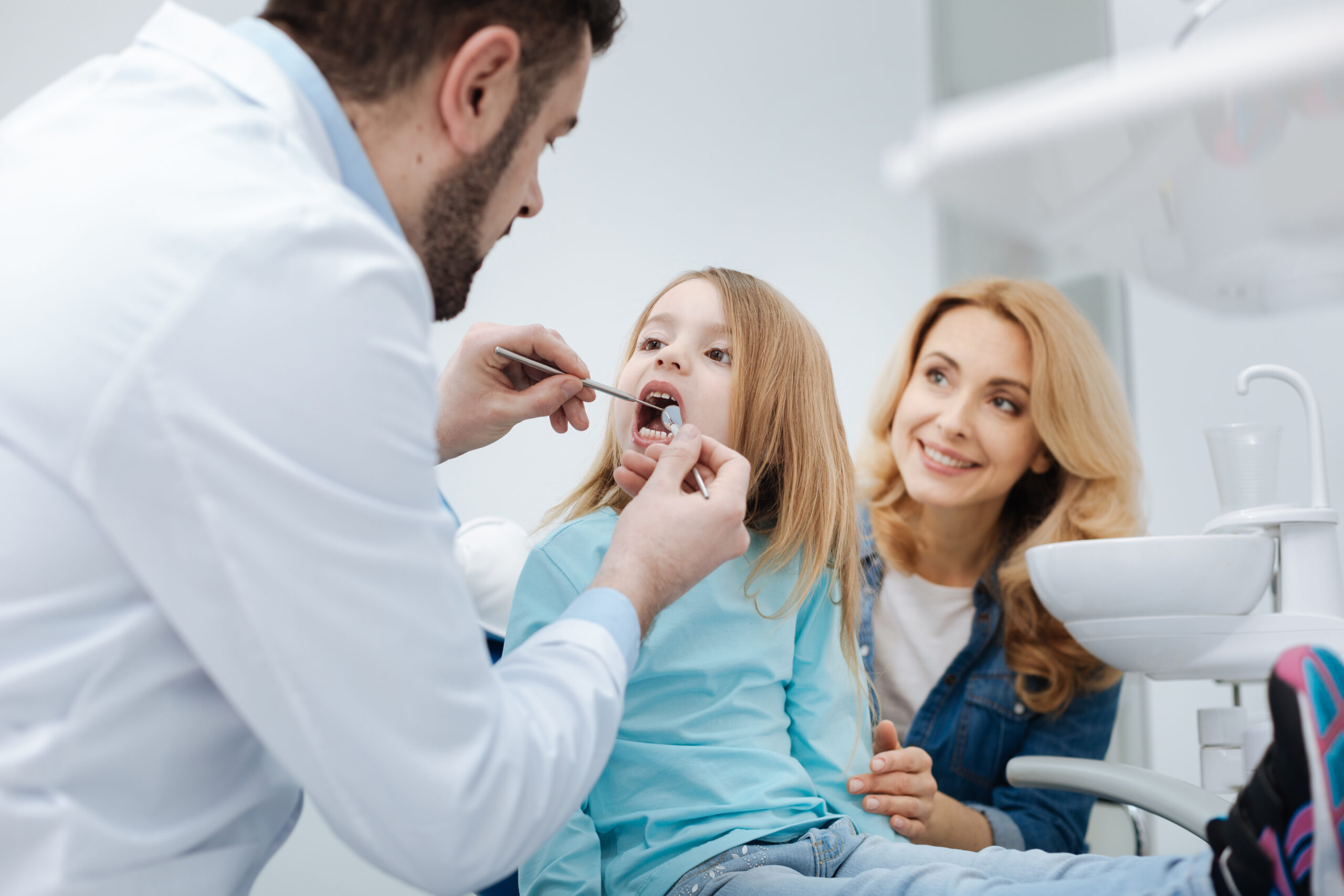
Managing dental care for an entire household can feel complicated. Young children need help learning basic habits, teenagers face new risks as their permanent teeth develop, and adults may need care for gum health, old fillings, or missing teeth. Each person requires an individual plan, even when everyone visits the same office.
A family dental clinic can make this process easier by keeping examinations, treatment history, X-rays, and follow-up plans in one place. However, simply booking appointments is not enough. Families also need a practical system for home care, preventive visits, orthodontic monitoring, and unexpected dental problems.
A useful family dental plan should change over time. It must reflect each person’s age, medical history, cavity risk, daily habits, and previous treatment.
Begin Dental Care During Infancy
Good oral care begins before a baby’s first tooth appears. Parents can gently clean the gums with a soft, damp cloth after feeding and before bedtime. This helps establish a routine while removing residue from the mouth.
Once the first tooth appears, brushing should begin. Parents can use a small, soft-bristled toothbrush and an age-appropriate amount of fluoride toothpaste. Young children need direct help because they do not yet have the hand control required to clean every tooth properly.
An early dental visit allows the dentist to examine tooth development and identify possible concerns. Parents can also ask questions about feeding, teething, fluoride, thumb-sucking, pacifiers, and nighttime bottles.
Starting early may help a child become comfortable with the dental setting. It is usually easier to introduce the office during a calm preventive appointment than during an urgent visit for tooth pain.

Create a Home Routine Children Can Follow
Children respond well to routines that are simple and consistent. Brushing should happen twice daily, including before bed. Parents should supervise and help until the child can clean all surfaces effectively.
Instead of telling a child to brush quickly, divide the mouth into small sections. Clean the outside, inside, and chewing surfaces of each group of teeth. Parents should also help with flossing once neighboring teeth begin touching.
Make the routine easier by:
- Keeping toothbrushes in an easy-to-reach place
- Using a timer or short song
- Brushing together as a family
- Replacing worn toothbrushes
- Checking difficult-to-reach back teeth
- Praising effort without turning brushing into a punishment
Children should be taught to spit out toothpaste instead of swallowing it. Any fluoride products beyond regular toothpaste should be discussed with a dental professional.
Families looking into family dentistry in Houston can ask for brushing guidance suited to each child’s age, cavity history, and ability.
Use Individual Appointment Schedules
Many families assume that every person should follow exactly the same dental schedule. In reality, appointment frequency depends on individual risk.
A child with frequent cavities may need closer monitoring than a sibling with healthy teeth. An adult with gum disease may require more frequent professional cleaning. A person with dry mouth, diabetes, braces, or several restorations may also benefit from a customized schedule.
During preventive visits, the dental team may check for:
- Cavities and weakened enamel
- Gum inflammation
- Tooth development
- Bite changes
- Cracks or worn surfaces
- Damaged fillings and crowns
- Signs of grinding
- Oral tissue changes
- Problems around implants, bridges, or dentures
Ask the dentist why a specific interval is recommended. A family calendar can then be used to record future appointments, treatment deadlines, and orthodontic reviews.
Plan Around School, Work, and Family Changes
Dental appointments are easier to maintain when they fit into the household’s normal schedule. Parents can plan routine visits around school breaks, work demands, travel, and other commitments.
However, appointments should not always be delayed until a convenient season. Pain, swelling, a broken tooth, or another active problem deserves earlier attention.
Major life changes may also affect dental needs. Pregnancy, a new medical diagnosis, different medication, or changes in insurance can influence treatment planning.
Moving to a new area is another important transition. Families should transfer dental records and explain unfinished treatment to the new office. This helps reduce repeated tests and prevents important follow-up care from being missed.
A Family dental clinic Houston may support several age groups, but parents should still confirm which services are available and when referral to a specialist may be necessary.
Protect Children’s Back Teeth
The chewing surfaces of back teeth often contain deep grooves. Food and bacteria can collect in these areas, even when a child brushes every day.
Dental sealants are thin protective coatings applied to the chewing surfaces of suitable teeth. They create a barrier over grooves where cavities often begin. A dentist can determine whether a child’s newly erupted molars would benefit from them.
Fluoride can also help strengthen enamel and repair early mineral loss. The appropriate source and amount depend on the child’s age, cavity risk, toothpaste use, and other factors.
Preventive treatment does not replace brushing, flossing, or healthy eating habits. Instead, it adds another layer of protection for children who may have difficulty cleaning certain areas.
Parents should ask whether existing sealants remain intact during regular checkups because they can wear over time.
Pay Attention to Teenagers’ Changing Needs
Teenagers may become less consistent with home care as school, sports, social activities, and changing routines demand more time. Frequent snacking and sugary or acidic drinks can also increase the risk of decay.
Braces and other orthodontic appliances create additional surfaces around which plaque can collect. Teens may need special brushes, floss threaders, interdental cleaners, or other tools recommended by their dental team.
Sports mouthguards are important for activities that carry a risk of facial injury. A properly fitted guard can help protect the teeth, lips, cheeks, and jaw.
Wisdom teeth may begin developing during adolescence or early adulthood. Not every wisdom tooth requires removal. The dentist may monitor their position and check whether they are trapped, affecting nearby teeth, or causing repeated gum problems.
A family orthodontist Houston TX evaluation may be appropriate when crowding, spacing, crossbite, overbite, or jaw-growth concerns appear. An evaluation does not automatically mean treatment must begin immediately.
Help Adults Avoid Symptom-Based Dental Care
Busy adults often postpone appointments until a tooth hurts. Yet cavities, gum disease, tooth wear, and damaged restorations can progress with few early symptoms.
Bleeding during brushing should not automatically be treated as normal. It may indicate gum inflammation, particularly when it occurs regularly. Persistent bad breath, gum recession, loose teeth, or spaces developing between teeth also deserve attention.
Adults should report:
- Lingering sensitivity to temperature
- Pain when biting
- Recurring gum swelling
- Food trapping near one tooth
- A loose crown or filling
- Jaw soreness after waking
- Teeth becoming shorter or flatter
- New dry mouth symptoms
Preventive visits allow the dentist to compare current findings with earlier records. This is one of the main benefits of consistent Houston family dentistry care.

Include Older Adults in the Family Plan
Older adults may face challenges that make dental care harder. Reduced hand movement, poor vision, memory problems, and transportation difficulties can affect daily cleaning and attendance at appointments.
Many medications cause dry mouth. Without enough saliva, teeth may become more vulnerable to decay, especially near the gumline and exposed roots.
Caregivers can help by arranging appointments, organizing medication lists, and making home-care tools easier to use. Electric toothbrushes, floss holders, and interdental brushes may be helpful for some people.
Dentures should be cleaned daily and removed as directed. Even a person without natural teeth still needs oral examinations because the dentist can check the gums, tongue, cheeks, denture fit, and other tissues.
Existing crowns, bridges, implants, and fillings should also be monitored. Older restorations can loosen or develop problems around their edges.
Understand the Role of Orthodontic Monitoring
Orthodontic care is not limited to improving appearance. Crowded or poorly positioned teeth can be harder to clean, while certain bite problems may affect chewing or place uneven pressure on teeth.
Children may benefit from early monitoring as their jaws develop and permanent teeth emerge. Some problems need treatment while growth is occurring, while others can safely wait.
Adults can also receive orthodontic treatment when their teeth and supporting tissues are healthy enough. However, gum disease, cavities, and active dental problems usually need attention first.
Before choosing treatment, ask about the expected timeline, cleaning requirements, follow-up schedule, and how the plan may affect existing restorations.
A complete evaluation should guide the recommendation rather than an online photo or appearance alone.
Prepare for Dental Emergencies Before They Occur
A family dental plan should include instructions for urgent situations. Save the dental office’s phone number and know how after-hours calls are handled.
A knocked-out permanent tooth, severe pain, uncontrolled mouth bleeding, spreading swelling, or a major tooth fracture needs prompt attention.
For a knocked-out permanent tooth:
- Pick it up by the crown, not the root
- Avoid scraping or scrubbing it
- Rinse it gently only if necessary
- Keep it moist
- Seek immediate dental care
Do not place a knocked-out baby tooth back into its socket because this could damage the permanent tooth developing underneath.
Difficulty breathing or swallowing, rapidly spreading facial swelling, heavy bleeding, loss of consciousness, or serious facial trauma requires emergency medical help.
Keep Dental Costs and Records Organized
Unexpected costs can disrupt a family’s care plan. Before treatment, ask for a written estimate and confirm what it includes.
Families should understand:
- Examination and imaging charges
- Insurance coverage and limitations
- Expected personal costs
- Payment options
- Treatment stages
- Which procedures are urgent
- What may happen if care is delayed
Do not choose treatment based only on the lowest advertised price. Diagnosis, materials, complexity, and long-term outlook can all affect the final cost.
Keep copies of treatment plans, insurance documents, medication lists, and important X-rays. Organized records are especially helpful when the family changes offices or sees a specialist.
A family dentist Houston TX can explain recommendations, but patients should feel comfortable asking questions before agreeing to care.
Review the Family Plan Every Year
A dental plan should not remain unchanged for years. Children grow, adult health changes, restorations age, and new risks appear.
Once a year, review:
- Each person’s next examination
- Unfinished treatment
- Orthodontic monitoring
- Sports mouthguard needs
- Changes in medication or health
- Insurance details
- Home-care challenges
- Emergency contact information
This simple review can prevent missed appointments and delayed treatment. It also gives family members an opportunity to discuss concerns they may not have mentioned before.
Final Thoughts
A useful family dental plan connects home care, preventive visits, orthodontic monitoring, treatment, and emergency preparation. It recognizes that a toddler, teenager, parent, and older adult do not have identical needs.
Consistency makes the plan effective. Families should brush and clean between their teeth daily, attend recommended appointments, and report changes before they become severe.
Choosing a dental office that communicates clearly and treats different age groups can simplify care. More importantly, an organized approach may help every family member preserve healthy teeth, comfortable gums, and confident daily function.
Frequently Asked Questions
Can one dentist treat every member of a family?
Many family dental offices treat children, adults, and older patients. However, certain conditions may require a pediatric, orthodontic, surgical, or other specialist. Confirm available services and how the office coordinates referrals when advanced care is needed.
How often should children receive dental examinations?
The schedule depends on the child’s age, cavity risk, tooth development, home care, and previous treatment. After examining the child, the dentist can recommend an appropriate interval instead of applying the same schedule to every patient.
When should parents request an orthodontic evaluation?
Parents should ask about an evaluation when they notice crowding, unusual spacing, difficulty biting, jaw imbalance, or developing tooth-position problems. A dentist may also identify concerns during routine visits and recommend the most appropriate time for assessment.
Share On :
Tweet | LinkedIn | |