Latest Updates Click Here


Treatments Pain Specialists Offer For Facet Arthropathy in Texas
Explore treatments pain specialists offer for facet arthropathy in Texas, including injections, therapy, radiofrequency ablation, and personalized care.
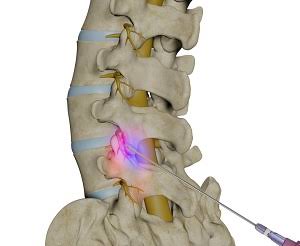
Back pain can make simple daily activities feel difficult. For many people, the cause is not a muscle strain or a herniated disc but a condition called facet arthropathy. The small facet joints in the spine help support movement and stability. When these joints become worn or inflamed, they can cause ongoing pain and stiffness. If you are experiencing chronic, debilitating back pain, consulting with a dedicated pain specialist for facet arthropathy in Texas can provide you with access to advanced, targeted therapies to finally get your discomfort under control.
Facet joint problems are a common source of chronic neck and lower back pain, particularly in adults with age-related spinal changes. Early diagnosis and proper treatment can improve mobility, reduce pain, and help people return to their daily activities. Understanding the available treatments allows patients to make informed decisions about their spinal health.
What is Facet Arthropathy?
Facet arthropathy is a condition that develops when the facet joints in the spine begin to wear down over time. These joints allow the spine to bend, twist, and move smoothly. As the cartilage gradually wears away, inflammation and joint irritation can develop, leading to pain and reduced flexibility.
The condition may affect the neck, middle back, or lower back, although the lumbar spine is most commonly involved. Symptoms often become more noticeable after standing for long periods, bending backward, or twisting the spine. A complete medical evaluation helps determine the exact source of pain before treatment begins.
Common Symptoms of Facet Arthropathy
The symptoms of facet arthropathy can vary depending on which part of the spine is affected. Some people experience mild stiffness, while others develop persistent pain that limits daily activities. People with lumbar facet joint problems often notice pain that increases after prolonged standing or walking and improves with sitting or leaning forward. If these symptoms continue, seeking professional medical care can help identify the cause and guide the most appropriate treatment plan.
-
Pain in the lower back or neck
-
Stiffness after resting or waking up
-
Pain that increases with twisting or bending backward
-
Reduced range of motion
-
Localized tenderness over the spine
-
Difficulty standing for long periods
-
Pain that interferes with daily activities
-
Ongoing symptoms despite home treatment
Treatments by Pain Specialist for Facet Arthropathy in Texas
Patients looking for facet arthropathy treatment in Texas should seek care from a provider experienced in diagnosing spinal pain conditions. A detailed evaluation helps identify the affected joints and allows the physician to recommend the most appropriate treatment based on the severity of the condition.
1. Conservative (Non-Surgical) Approaches
Most people find significant relief by starting with simple, non-invasive treatments:
-
Physical Therapy: A physical therapist can design targeted exercises to strengthen your core and back muscles, which takes the pressure off the inflamed facet joints. Patients receiving lumbar facet arthropathy treatment often benefit from rehabilitation as part of their recovery plan. Performing exercises correctly under professional guidance can improve long-term results.
-
Medications: Over-the-counter anti-inflammatories (like ibuprofen or naproxen) help reduce joint swelling. Your doctor might also recommend muscle relaxants if you suffer from secondary muscle spasms.
-
Lifestyle Adjustments: Maintaining a healthy weight significantly reduces the mechanical load on your spine. Incorporating low-impact exercises like walking or swimming keeps the spinal joints lubricated without jarring them.
2. Interventional Pain Management
If physical therapy and medications aren't doing enough, specialized outpatient procedures are the next step:
-
Facet Joint Injections: A physician uses real-time imaging to inject a numbing agent and a corticosteroid directly into or around the painful joint to calm inflammation.
-
Radiofrequency Ablation (RFA): If an injection successfully isolates the pain, radiofrequency ablation for the face uses a heated needle tip to safely and temporarily "turn off" the specific tiny nerve fibers sending the pain signals to your brain. Relief from RFA typically lasts from six months to a year.
3. Surgical Options
Spine surgery is rarely needed for facet arthropathy and is considered a last resort. It is typically reserved for severe cases where joint degeneration has caused bone spurs to heavily compress your spinal nerves, requiring a procedure like a spinal fusion to stop the painful friction completely.
4. Medial Branch Nerve Blocks
Medial branch nerve blocks are commonly used to identify the source of facet joint pain and provide temporary relief. During the procedure, medication is injected near the medial branch nerves that carry pain signals from the facet joints.
If the pain improves after the injection, the physician can confirm that the facet joints are responsible for the symptoms. The results also help determine if additional treatments, such as radiofrequency ablation, may be beneficial. Consulting with an experienced facet arthropathy specialist in Texas helps patients receive continued care focused on reducing pain, improving mobility, and maintaining an active lifestyle.
Conclusion
Living with facet arthropathy can make everyday movement difficult, but effective treatment options are available. If you are looking for a pain specialist for facet arthropathy in Texas, early diagnosis and a personalized treatment plan can help reduce pain, improve mobility, and support long-term spinal health. Patients searching for a trusted pain clinic in Texas can benefit from comprehensive care that includes advanced diagnostic evaluations and evidence-based treatments. Schedule a consultation with an experienced pain specialist today.
Frequently Asked Questions
What is the best treatment for facet arthropathy?
The best treatment depends on the severity of your symptoms. Many patients improve with medication, facet joint injections, rehabilitation, or Radiofrequency Ablation for Facet Pain. Your physician will recommend the most appropriate option after a complete evaluation.
Can facet arthropathy be treated without surgery?
Yes. Most patients begin with non-surgical treatments such as medication, spinal injections, rehabilitation, and minimally invasive pain management procedures. Surgery is usually considered only when conservative treatments do not provide enough relief.
When should I see a doctor for facet joint pain?
You should seek medical care if back or neck pain lasts for several weeks, becomes worse with movement, limits daily activities, or does not improve with home care. Early diagnosis can help prevent symptoms from becoming more severe.
Share On :
Tweet | LinkedIn | |