Professional lifeguards carry significant responsibility every day. They monitor aquatic facilities, identify hazards, respond to emergencies, and provide immediate assistance when lives are at risk.
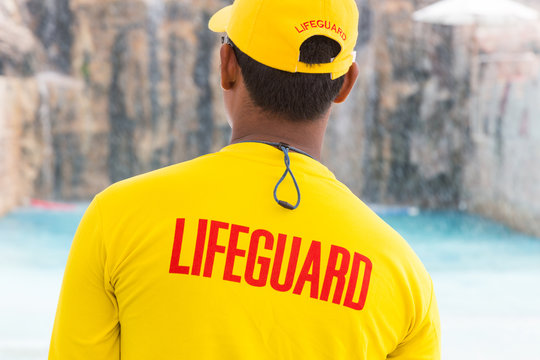
Choosing the right Lifeguard Certification Cost is about more than finding the lowest price. A professional certification program is an investment in lifesaving knowledge, emergency preparedness, and long-term career opportunities. Whether you are planning to become a first-time lifeguard or preparing for employment at a pool, beach, water park, or aquatic center, selecting a quality certification program can make a significant difference in your professional development.
A comprehensive certification course prepares participants to recognize emergencies, perform water rescues, administer CPR and First Aid, and maintain a safe aquatic environment. Rather than focusing only on the registration fee, prospective lifeguards should consider the value of the education, practical experience, instructor support, and nationally recognized certification included within the program.
American Lifeguard USA offers a professional instructor-led blended learning certification program that combines online instruction with practical skills evaluation. Successful participants receive Lifeguarding, CPR/AED, and First Aid certifications that remain valid for two years while supporting career opportunities throughout the aquatic industry.
Professional lifeguards carry significant responsibility every day. They monitor aquatic facilities, identify hazards, respond to emergencies, and provide immediate assistance when lives are at risk.
A professional certification program helps participants develop:
These skills continue to benefit lifeguards throughout their careers while helping create safer aquatic environments.
The total Lifeguard Certification Cost depends on several important factors. Understanding these differences helps prospective students compare programs based on overall value rather than price alone.
Several elements may influence certification costs, including:
A quality program provides both educational instruction and practical experience that prepare participants for real-world aquatic emergencies.
A comprehensive certification program introduces participants to the essential responsibilities of professional lifeguards while helping them build confidence through practical learning.
Training commonly includes:
Each learning module helps participants develop practical abilities that can be applied in aquatic environments.
Practical learning is one of the most valuable components of professional lifeguard certification. Students participate in realistic rescue scenarios designed to improve reaction time, confidence, and decision-making.
During practical sessions, participants practice:
Repeated practice allows students to develop confidence before entering professional aquatic settings.
Professional lifeguards frequently become the first individuals to assist during medical emergencies. Certification programs therefore include emergency medical training that prepares participants to provide immediate care until emergency medical services arrive.
Participants learn:
These lifesaving skills remain valuable both inside and outside aquatic facilities.
Professional certification is appropriate for individuals who enjoy working around water while helping protect the safety of others.
Ideal participants include:
Participants should satisfy the required swimming ability and physical readiness standards before beginning certification training.
Completing a professional certification is more than achieving a qualification—it is the beginning of a career dedicated to protecting lives and promoting aquatic safety. Certified lifeguards are needed in a wide variety of facilities where safety, emergency preparedness, and customer care are essential.
Employment opportunities include:
As lifeguards gain experience, they may progress into advanced positions such as:
Professional development and continued learning help expand career opportunities while strengthening confidence in emergency situations.
When evaluating Lifeguard Certification Cost, looking beyond the course fee is essential. A quality certification program should provide comprehensive education, practical training, and professional credentials that support long-term career success.
When comparing programs, consider whether they include:
A well-designed program prepares participants not only to pass evaluations but also to perform confidently in real-world aquatic emergencies.
American Lifeguard USA provides a blended learning certification program that combines instructor-led video instruction with practical skills evaluation. Upon successful completion, participants receive Lifeguarding, CPR/AED, and First Aid certifications valid for two years, with certification records entered into the National Verification System for employer verification.
A professional certification program helps participants develop workplace skills that remain valuable throughout their careers.
These include:
These transferable skills improve workplace performance while helping lifeguards respond effectively under pressure.
Understanding Lifeguard Certification Cost means considering the long-term value of quality education rather than focusing only on the initial registration fee. Professional certification provides the knowledge, confidence, and practical experience needed to supervise aquatic environments responsibly and respond effectively during emergencies.
Whether you are beginning your first job as a lifeguard or planning a long-term career in aquatic safety, investing in professional certification is an investment in your future. The skills developed through comprehensive training continue to benefit both your career and the communities you serve.
What does the Lifeguard Certification Cost usually include?
Most professional certification programs include lifeguard training, CPR/AED instruction, First Aid education, course materials, practical skill evaluations, and certification upon successful completion.
Who should enroll in a Lifeguard Certification program?
Individuals who meet the required swimming ability, physical prerequisites, and age requirements can enroll to prepare for professional lifeguarding opportunities.
Why is professional certification important?
Certification helps participants develop lifesaving skills, improve emergency response abilities, and qualify for employment in aquatic facilities.
How long is certification valid?
American Lifeguard USA certifications in Lifeguarding, CPR/AED, and First Aid remain valid for two years after successful completion of the program.
Can certification improve career opportunities?
Yes. Professional certification can help individuals qualify for positions at pools, beaches, water parks, resorts, schools, fitness centers, and community aquatic facilities.
Company Name: American Lifeguard USA
Website: Lifeguard Certification Cost (Add your internal link here)
Address: 80 SW 8th Street, 20th Floor
City: Miami
State: FL
ZIP Code: 33130
Country: USA
Phone: (786) 284-8734