Latest Updates Click Here


ViaScan of Las Colinas: Advanced Preventive Health Screening
Learn how preventive health screening and advanced imaging can help identify potential health concerns early, support informed medical decisions, and promote long-term wellness.
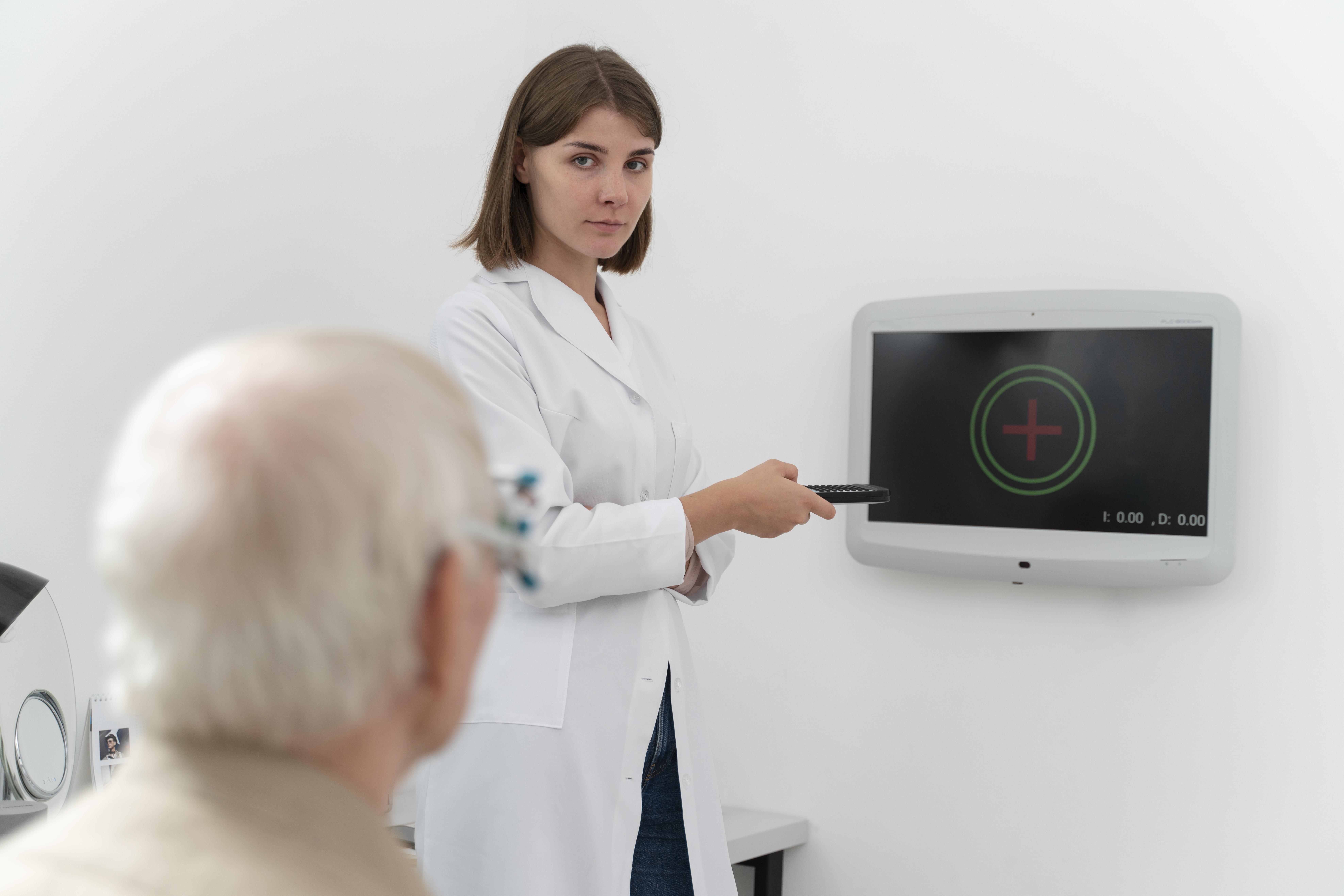
Numerous severe illnesses occur silently. For instance, heart disease, certain types of cancer, and vascular diseases progress over many years before noticeable symptoms occur. If any symptoms arise at this point, the treatment can be difficult, and it may even require more measures in the future.
Preventive health screening is designed to prevent such situations from occurring. In fact, the advances in technology these days mean that the state of your health can be determined much earlier so that you will not have to wait until something goes wrong.
In this guide, you will find out all the details about how preventive imaging works, what diseases a whole body scan can detect, who can benefit from preventive imaging, and why you have to approach a reputable imaging service provider.
Preventive Health Screening’s Increasing Importance
Preventive health emphasizes the recognition of possible health threats prior to their transformation into more serious conditions. While preventive health is not a substitute for regular visits to doctors or blood tests, it can be applied along with them.
Advanced imaging can allow an examination of different parts of the body during a single checkup.
Preventive health screenings are relevant for people with:
-
Heart disease in the family
-
Age older than 40 years
-
Presence of diabetes, high blood pressure, or high cholesterol
-
Smokers or those who used to smoke
The goal is not to perform diagnostics of existing diseases but to provide useful information necessary for choosing the right medical approach.
What Is a Whole Body Scan?
A whole body scan is an imaging test that screens and evaluates every part of the body, looking for abnormalities that have not started showing symptoms yet and early signs of certain diseases. Depending on what technology is being used, it can discover findings in the heart, lungs, liver, kidneys, spine, blood vessels, and more.
Unlike diagnostic imaging ordered for a specific complaint, these scans are intended to provide advanced health screening by offering a broad-based view of a person's health. They are not meant to replace routine medical care or regular health screenings but may provide additional information to inform discussions with a healthcare provider.
What Can a Whole Body Scan Indicate?
A whole body scan utilizes modern technology to produce high-quality images of different organs and body systems.
Depending on the type of screening, the results may help medical professionals to evaluate the following:
Heart Condition
The imaging can reveal calcium deposits in coronary arteries, vascular problems, or early signs of heart disease that need further investigation.
Lungs and Chest
The whole body scan can discover the presence of lung nodules and other structural abnormalities that require monitoring or possibly need an additional examination.
Abdomen and Inner Organs
The image can show the presence of some unexpected results in the organs of the abdomen, such as the liver, kidneys, pancreas, spleen, etc.
Spine and Bones
The scan results can indicate the presence of degenerative spinal disorders and some bone changes, thus indicating whether further treatment is required.
It is important for all the results to be interpreted in conjunction with the patient’s medical history, symptoms, and personal examination performed by the medical professional.
When Symptoms Need Medical Attention Instead of Routine Screening
Preventive screening is designed for people who feel generally well. It should never replace prompt medical evaluation when symptoms are already present.
For example, pain under the left rib cage can vary widely. It may result from digestive conditions, muscle strain, spleen disorders, kidney problems, pancreatic disease, or even heart-related conditions.
Seek medical attention promptly if left-sided rib pain occurs with the following:
-
Chest discomfort
-
Shortness of breath
-
High fever
-
Persistent vomiting
-
Fainting
-
Unexplained weight loss
-
Blood in urine or stool
A healthcare provider can determine whether diagnostic imaging, laboratory tests, or emergency treatment is appropriate.
What Preventive Health Screening Is and How to Choose a Reliable Provider
As things are changing in preventive medicine, it is necessary now to choose a reliable provider of imaging services. People need to check the latest imaging technologies used in the center and the level of expertise of the radiologist, and use the reports that can be consulted with the physician and explained in plain language. Good providers follow the recognized safety regulations and suggest further medical procedures if necessary.
One of the examples can be ViaScan in Las Colinas that provides good preventive imaging services through CT-based assessment to examine several body organs. Hence, the image screening facilities can be of use to patients who want to learn about their health in detail while obtaining help from their GP.
Conclusion
Preventive healthcare involves knowing how to make decisions so health issues do not become bigger issues. In combination with proper medical care, healthy lifestyle choices, and medical advice, imaging as a part of healthcare can provide useful information about a person’s health.
An entire body scan might help identify some health issues ahead of time, which would allow medical professionals to provide appropriate recommendations. If you are thinking about preventive imaging, talk to your physician about your risk factors and see if it is necessary in your case. You may also consult various resources about preventive healthcare and procedures associated with medical imaging for a better understanding of preventive health options.
Share On :
Tweet | LinkedIn | |