Latest Updates Click Here


What Makes a Dental Crown Feel Like a Natural Tooth
Discover what makes a dental crown feel natural, from precise fit and bite balance to material selection, temporary care, and long-term maintenance.

A successful crown should do more than cover a damaged tooth. It should allow you to bite, chew, speak, and smile without constantly noticing that a restoration is present.
Creating that result requires careful planning. The crown must fit the prepared tooth, meet neighboring teeth correctly, and contact the opposite tooth with balanced pressure. Its size, shape, color, and surface texture should also suit the patient’s mouth.
Well-planned Dental Crowns are customized rather than produced as identical replacements. A crown that looks attractive but feels uncomfortable is not a complete result. In the same way, a strong crown that does not match visible teeth may not meet the patient’s expectations.
Understanding what affects comfort and appearance can help patients ask better questions before treatment.
A Natural Result Begins With the Right Diagnosis
The first step is determining whether a crown is the correct treatment. Crowns may be used to protect weak teeth, restore broken teeth, cover large fillings, rebuild worn surfaces, improve certain cosmetic concerns, or complete a dental implant.
However, not every damaged tooth needs full coverage. A smaller filling or another conservative restoration may be suitable when enough healthy tooth structure remains.
The dentist must also determine whether the supporting tooth is healthy enough for a crown. Active decay, severe gum disease, infection, deep fractures, or inadequate bone support may need attention first.
Patients considering Dental Crowns in Cudahy should expect an examination that looks beyond the visible part of the tooth. The final crown can only perform well when its foundation is properly evaluated.

Tooth Preparation Controls More Than Crown Thickness
A crown needs enough space to fit over the tooth without becoming bulky. The dentist creates this space by carefully shaping the tooth.
Too little reduction can lead to an oversized crown that feels thick or looks unnatural. Too much reduction can unnecessarily remove healthy structure or bring the preparation close to the dental nerve.
The amount and shape of preparation depend on the crown material, location of the tooth, existing damage, and available space. A back tooth designed for heavy chewing may have different requirements from a highly visible front tooth.
The prepared tooth also needs features that help hold the crown securely. If much of the original structure is missing, a buildup may be required to create a suitable foundation.
Accurate Impressions Help Create a Precise Fit
After preparation, the tooth and surrounding area must be recorded accurately. This may be done with traditional impression material or a digital scanner.
The impression or scan captures:
- The shape of the prepared tooth
- The position of neighboring teeth
- The gumline around the preparation
- The space available for the crown
- The relationship between the upper and lower teeth
Moisture, bleeding gums, movement, or incomplete detail can affect accuracy. For this reason, gum health and careful isolation matter during this stage.
The information is used to design the crown’s internal surface, outer shape, and contact points. Even a small error can affect how the crown seats or how food moves around it.
Why Contact With Neighboring Teeth Matters
Natural teeth touch each other at specific points. These contacts help prevent food from becoming packed between the teeth and support normal tooth position.
If a crown’s contact is too loose, food may repeatedly collect beside it. This can irritate the gum and make the area difficult to keep clean.
If the contact is too tight, floss may not pass through comfortably, and the crown may be difficult to seat fully. Excessive pressure can also make neighboring teeth feel sore.
A well-designed crown should allow floss to pass with gentle resistance. Patients should report persistent food trapping, floss tearing, or inability to clean between the crowned tooth and its neighbor.
These concerns may require adjustment rather than being accepted as a normal part of treatment.
Bite Balance Has a Major Effect on Comfort
Every tooth should meet its opposite tooth in a controlled way. When a new crown makes contact too early, it receives extra force each time the patient bites.
A high crown can cause:
- Pain during chewing
- Tooth sensitivity
- Jaw or muscle soreness
- A feeling that the teeth do not close normally
- Pressure around the supporting tooth
- Increased risk of chipping or loosening
The dentist checks the bite before completing treatment. However, the mouth may be numb during this stage, making subtle pressure differences harder for the patient to recognize.
Once the numbness disappears, pay attention to how the teeth meet. Contact the dental office if the crowned tooth consistently touches first or feels painful under pressure.
A small professional adjustment can often correct the problem. Patients should never try to reshape a crown at home.
Crown Shape Influences Chewing and Speech
The outer shape of a crown is designed to copy the general form of the natural tooth. Back teeth need grooves and raised areas that help crush and guide food. Front teeth need edges and contours that support biting, speech, and appearance.
A crown that is too wide may feel bulky against the cheek or tongue. One that is too narrow may leave an open space or fail to support the gum properly.
The height and angle of a front crown can influence how certain sounds are formed. Even small changes may feel noticeable at first because the tongue is sensitive to new surfaces.
Minor awareness can decrease as the mouth adapts. However, ongoing speech difficulty, tongue irritation, or an unnatural shape should be discussed with the dentist.
Choosing a Material for the Tooth’s Location
Dental crown materials vary in strength, appearance, thickness, and wear characteristics. The ideal choice depends on the tooth and the patient’s needs.
A front tooth may require a material that reflects light in a way similar to enamel. A molar may need to tolerate stronger chewing forces. A patient who grinds heavily may require additional consideration.
Porcelain crowns in Cudahy may be selected when a tooth-colored restoration is preferred. Porcelain can be shaped and shaded to blend with nearby teeth, but material selection should also account for bite pressure and available space.
The dentist may consider:
- Tooth position
- Remaining natural structure
- Grinding or clenching
- Cosmetic expectations
- The shade of the supporting tooth
- Gum condition
- Opposing tooth material
- Available thickness for the crown
Patients should ask why a particular material is being recommended rather than choosing based on appearance alone.
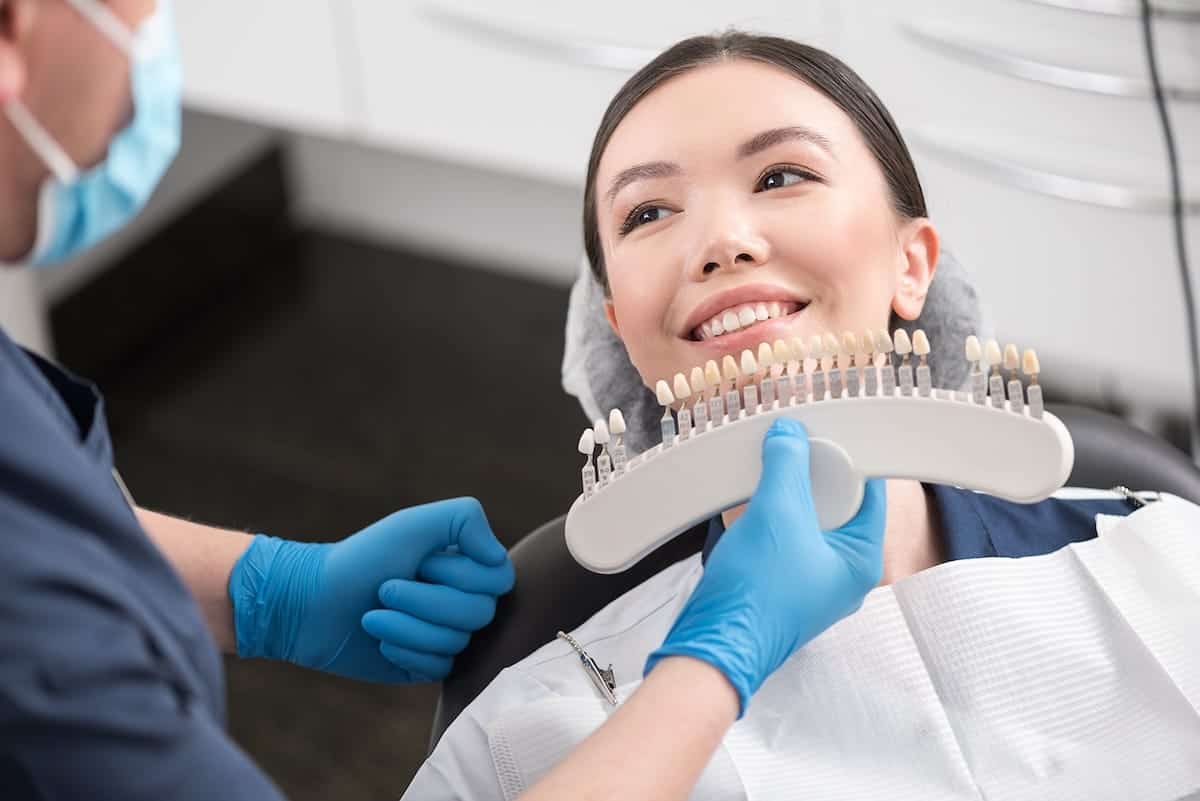
Why Shade Matching Is More Complex Than Picking White
Natural teeth contain variations in brightness, translucency, and color. The area near the gum may look warmer, while the biting edge may allow more light to pass through.
A crown made in one flat shade may appear artificial beside natural teeth. Shade selection may consider the neighboring teeth, surrounding light, surface texture, and color underneath the crown.
If a patient plans to whiten their teeth, it may be better to complete whitening before selecting the crown shade. Crown materials do not whiten like natural enamel.
A dark supporting tooth or metal post may also affect the result. The dentist may need to adjust the crown’s opacity or internal design to prevent the darker foundation from showing through.
Patients seeking Professional Dental Crowns in Cudahy should discuss appearance goals before the final restoration is created.
The Role of the Temporary Crown
A temporary crown protects the prepared tooth while the permanent restoration is being completed. It also helps maintain spacing and allows the patient to function between appointments.
Because it is designed for short-term use, it may not match the final crown perfectly. Its surface may feel different, and its color may be less exact.
Temporary crowns are usually held with weaker cement so they can be removed. Avoid gum, caramel, taffy, and other sticky foods that might pull the crown loose. Hard foods may crack it or place pressure on the prepared tooth.
Clean around the temporary crown carefully. Follow the office’s flossing instructions, and call if it moves, breaks, or comes out.
Do not postpone the final appointment simply because the temporary crown feels acceptable. It is not intended to provide permanent protection.
What Happens at the Final Placement Visit?
Before attaching the permanent crown, the dentist checks whether it seats completely on the tooth. The margins, contacts, color, shape, and bite are also evaluated.
Patients should look at a visible crown before it is permanently attached. If the color or shape seems noticeably different from what was discussed, raise the concern during this stage.
After the crown is cemented or bonded, excess material is removed from around the edges. The bite is checked again, and the patient receives cleaning and eating instructions.
People researching Dental Crown Services Cudahy should ask whether follow-up bite adjustments are available if the crown feels uneven after the numbness disappears.
How Long Does It Take to Get Used to a Crown?
A new crown may feel slightly unfamiliar during the first few days. The tongue notices small changes, and the gum may be mildly tender following treatment.
This awareness should decrease as the tissues settle and the mouth adapts. The crown should not continue to feel painfully high, loose, excessively bulky, or sharp.
Contact the office if:
- Biting causes strong pain
- The teeth do not close normally
- Floss cannot pass beside the crown
- Food repeatedly becomes trapped
- The crown moves
- The gum becomes increasingly swollen
- Temperature sensitivity worsens
- A rough edge irritates the tongue
It is better to check a possible fit problem early than to avoid chewing on the tooth for weeks.
Daily Care Protects the Supporting Tooth
A crown covers the visible tooth, but the natural structure underneath remains vulnerable to decay. The area where the crown meets the tooth requires careful cleaning.
Brush twice daily with fluoride toothpaste. Clean between the crowned tooth and neighboring teeth every day using floss or another recommended interdental tool.
Avoid biting ice, hard candy, pens, or packaging. These habits can damage crowns as well as natural teeth.
Patients who grind or clench should discuss protection with their dentist in Cudahy. A custom nightguard may help reduce direct wear and fracture risk in suitable cases.
Regular examinations allow the dentist to monitor the crown’s edges, bite, supporting tooth, and surrounding gum tissue.
Why a Crown May Need Attention Years Later
No restoration can be guaranteed to last forever. A crown may eventually wear, chip, loosen, or develop a problem around its margin.
Gum recession can expose part of the supporting tooth. New decay may begin near the edge if plaque remains in the area. Changes in the bite or loss of another tooth can also alter how pressure reaches the crown.
Sometimes a crowned tooth develops pain because of changes in the dental nerve. In other cases, the crown itself remains healthy while the gum around it becomes inflamed.
An examination is needed to separate these possibilities. Replacing the crown is not always necessary, but persistent symptoms should not be ignored.
Questions to Ask Before Treatment
A clear discussion can help patients understand the procedure and expected result. Useful questions include:
- Why is a crown recommended instead of a filling?
- Is the dental nerve healthy?
- Which material fits this tooth and bite?
- Will a buildup be needed?
- How will the shade be selected?
- Will I wear a temporary crown?
- How many appointments are expected?
- What should I avoid during treatment?
- What symptoms require a follow-up visit?
- How should I clean around the final crown?
A treatment plan should explain both the health-related and cosmetic goals of the restoration.
Final Thoughts
A crown feels natural when many small details work together. The supporting tooth must be healthy enough for treatment, the preparation must create suitable space, and the impression must accurately record the area.
Fit, contact, shape, shade, and bite all influence the final experience. After placement, daily cleaning and protection from excessive force help preserve the restoration.
If a newly placed crown feels painfully high, traps food, moves, or irritates the tongue, contact the dental office. A well-planned crown should support comfortable chewing while fitting naturally into the patient’s smile.
Frequently Asked Questions
Should a new crown feel tight between the teeth?
Floss should usually pass beside the crown with gentle resistance. A contact that is extremely tight or completely open may require evaluation. Report floss tearing, repeated food trapping, or pressure that does not improve after placement.
Can a dental crown look exactly like a natural tooth?
A crown can be closely matched in color, shape, translucency, and surface texture. However, the result depends on crown material, supporting-tooth color, surrounding teeth, available space, and careful communication about the patient’s expectations.
Why does my crown hurt when I bite?
Biting pain may come from an uneven bite, inflammation, a crack, a problem with the supporting tooth, or another condition. Avoid chewing hard foods on that side and contact the dental office for an examination.
Share On :
Tweet | LinkedIn | |