Many people ask how to become a lifeguard because they want to understand the steps involved, the skills required, and the training needed to begin this career. While strong swimming ability is important, professional lifeguarding requires much more than knowing how to swim.
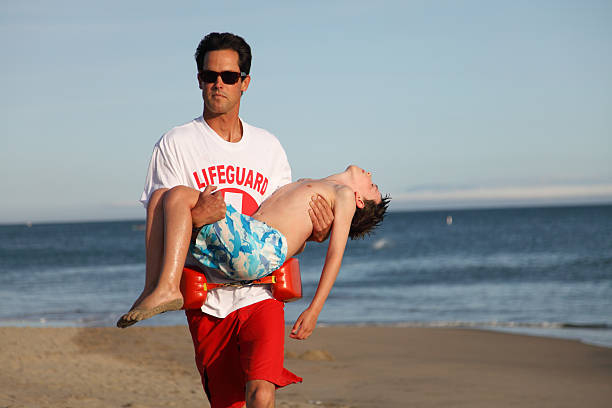
Becoming a lifeguard is an excellent opportunity for individuals who want to build valuable skills, protect others, and work in a professional aquatic environment. Lifeguards play an essential role in maintaining safety at swimming pools, recreation centers, water facilities, and other aquatic locations.
Many people ask how to become a lifeguard because they want to understand the steps involved, the skills required, and the training needed to begin this career. While strong swimming ability is important, professional lifeguarding requires much more than knowing how to swim.
A successful lifeguard must have confidence, awareness, emergency response skills, and the ability to make quick decisions during challenging situations. Proper training helps individuals develop these abilities and prepares them for real-world responsibilities.
American Lifeguard events provides professional training opportunities designed to help future lifeguards gain the knowledge and practical skills needed for aquatic safety careers.
Understanding the Role of a LifeguardBefore learning how to become a lifeguard, it is important to understand what lifeguards do and why their role is important.
A lifeguard is responsible for protecting swimmers, preventing accidents, and responding quickly during emergencies. Their job requires constant attention, strong communication, and the ability to stay calm under pressure.
A professional lifeguard’s responsibilities include:
Lifeguards are not only emergency responders; they are also safety educators who help create secure environments for everyone.
Steps on How to Become a LifeguardStarting a lifeguard career requires preparation, training, and dedication. Following the proper steps can help candidates successfully enter this profession.
Swimming ability is the foundation of lifeguarding. Before beginning professional training, candidates should become comfortable and confident in the water.
Important swimming skills include:
Strong swimming skills allow future lifeguards to perform rescues safely and respond effectively during emergencies.
Regular swimming practice is one of the best ways to prepare for lifeguard training.
The next step in learning how to become a lifeguard is completing professional lifeguard training.
A complete training program teaches essential areas such as:
Training combines learning and practical skill development so candidates understand how to respond in real situations.
Rescue skills are one of the most important parts of becoming a professional lifeguard.
During training, candidates learn how to:
Rescue training builds confidence and prepares future lifeguards to handle emergencies responsibly.
Lifeguards are often the first people available to assist during an emergency. Because of this responsibility, emergency response skills are essential.
Training helps candidates understand:
These skills allow lifeguards to provide immediate support when someone needs help.
Skills Needed to Become a Successful LifeguardBecoming a lifeguard requires more than completing training. Successful lifeguards develop a combination of professional and personal skills.
A lifeguard must constantly watch the environment and identify possible risks.
Good observation helps lifeguards:
Emergencies require fast thinking. Lifeguards must evaluate situations and choose the safest response within seconds.
Training helps individuals improve:
Clear communication is essential in aquatic safety. Lifeguards must communicate with swimmers, team members, and emergency responders.
Effective communication helps with:
Choosing lifeguarding as a career or professional skill provides many benefits.
Lifeguards develop strong leadership abilities because they are responsible for protecting others.
Training helps improve:
These qualities are valuable in many career fields.
A lifeguard certification can create opportunities in different aquatic environments.
Professional lifeguards can work at:
For many individuals, lifeguarding is the beginning of a rewarding career focused on safety and service.
The skills gained through lifeguard training are useful beyond the workplace.
Knowledge of:
can help individuals assist others in everyday situations.
Preparing for Lifeguard TrainingBefore starting professional training, candidates can improve their chances of success by preparing properly.
Consistent swimming practice helps improve:
Lifeguarding requires physical strength and stamina. Candidates should focus on:
A professional lifeguard must always think about prevention. Developing awareness and responsibility helps candidates become better safety professionals.
Choosing the Right Lifeguard Training ProgramSelecting the right training program is an important step for anyone learning how to become a lifeguard.
A quality program should provide:
The course should include rescue skills, emergency procedures, safety practices, and practical preparation.
Experienced guidance helps candidates understand techniques correctly and improve their confidence.
The best training programs prepare individuals for real workplace situations and professional responsibilities.
American Lifeguard events focuses on helping individuals develop the essential knowledge and skills needed for aquatic safety careers.
Start Your Journey to Become a LifeguardUnderstanding how to become a lifeguard is the first step toward building a successful career in aquatic safety. With proper preparation, professional training, and dedication, individuals can develop the skills needed to protect swimmers and respond during emergencies.
Lifeguarding is a meaningful profession that combines responsibility, leadership, and the opportunity to make a positive impact.
American Lifeguard events helps future professionals prepare for lifeguard responsibilities through structured training designed to build confidence and safety expertise.
American Lifeguard events Contact InformationAmerican Lifeguard events
8300 Boone Blvd, 5th Floor
Vienna, VA 22182, USA
Phone: 703-761-6750
The first step is improving swimming skills and finding a professional lifeguard training program that teaches essential safety abilities.
The training time depends on the program structure, learning format, and completion of required skills.
Important skills include swimming ability, rescue techniques, emergency response, communication, and decision-making.
Yes, beginners can become lifeguards by developing swimming skills and completing professional training.
Training prepares individuals to prevent accidents, perform rescues, and respond effectively during aquatic emergencies.