Latest Updates Click Here


Guide to Fiberglass Front Doors: Durability, Beauty, and Efficiency
Discover why fiberglass front doors are the superior choice for homeowners. Explore their unmatched durability, energy efficiency, aesthetic versatility, and low maintenance.
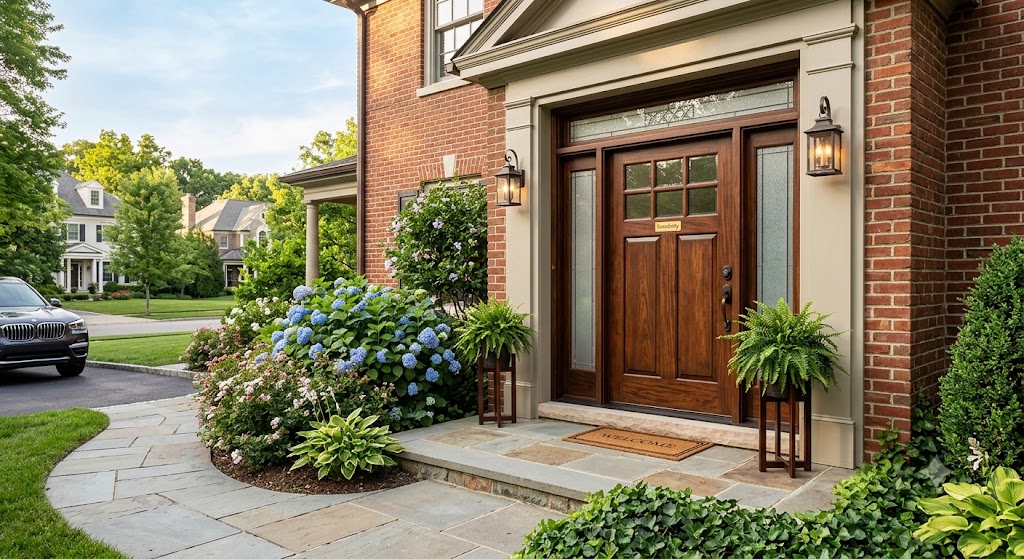
Your front door is more than just an entryway; it is a statement piece that sets the tone for your entire home. It is the first thing guests see and the last thing you touch before leaving for the day. Beyond aesthetics, your front door is your home’s primary defense against the elements and a critical component of its security and energy efficiency.
For decades, homeowners faced a difficult compromise. They loved the classic, warm look of natural wood but hated the constant maintenance the sanding, painting, sealing, and the inevitable warping, cracking, and rotting caused by sun and rain. Steel doors offered strength but lacked the warmth and character many desired, and they were prone to denting and rusting in coastal climates.
Enter the Fiberglass Front Door.
This modern marvel of engineering has revolutionized the entry door industry. Fiberglass doors bridge the gap between beauty and brawn, offering the authentic look of wood grain without any of the structural headaches. They represent the perfect synergy of advanced materials science and timeless design. If you are considering upgrading your home’s curb appeal, security, and comfort, a fiberglass front door is likely the wisest investment you can make.
This comprehensive guide will explore everything you need to know about fiberglass front doors, why they have become the preferred choice for discerning homeowners, and how to select the perfect one for your home.
What Makes Fiberglass Front Door the Superior Material?
Fiberglass Front Door is a composite material made from extremely fine glass fibers embedded in a resin matrix. This combination is incredibly strong, lightweight, and dimensionally stable. When used for front door construction, fiberglass offers a unique set of advantages that traditional materials simply cannot match.
Here is a breakdown of why fiberglass outperforms wood and steel in key categories:
Unmatched Durability and Resistance to the Elements
The primary enemy of a front door is Mother Nature. Sun, rain, humidity, and extreme temperatures take a heavy toll on organic materials.
No Warping, Rotting, or Swelling: Unlike wood, fiberglass is impervious to moisture. It will not absorb water, meaning it will not swell, warp, bow, or rot, even in the wettest climates or after years of direct rain exposure.
Impervious to Pests: Wood-destroying insects, such as termites and carpenter ants, find fiberglass inedible and unappealing.
No Rusting or Corroding: While steel doors can rust, especially in coastal areas with salty air, fiberglass is completely non-corrosive.
Extreme Temperature Stability: Fiberglass does not expand or contract significantly with temperature changes. This ensures the door operates smoothly year-round and maintains a tight seal within its frame, preventing drafts.
Exceptional Energy Efficiency
In an era of rising energy costs and environmental awareness, a home’s thermal performance is paramount. Fiberglass is naturally an excellent insulator, far superior to conductive metals like steel.
Fiberglass doors are typically constructed with a polyurethane foam core. This dense insulating foam provides an R-value (a measure of thermal resistance) that is up to five times higher than that of a solid wood door. This means your fiberglass front door acts as a powerful barrier, keeping conditioned air inside during the summer and winter, and preventing outside temperatures from affecting your home's interior climate. This translates directly to lower heating and cooling bills and increased interior comfort.
Aesthetic Versatility: The Look of Wood Without the Work
For many homeowners, the aesthetic of real wood is the gold standard. They appreciate the rich grain patterns and the warmth it brings to a facade. Modern fiberglass technology has perfected the art of replication.
High-quality fiberglass doors are molded using actual wood grain masters (often from oak, cherry, mahogany, or fir). The result is a door with a deeply defined, authentic-looking wood grain texture that is virtually indistinguishable from the real thing.
Unlike wood, which requires painting or staining every few years, fiberglass doors are incredibly low maintenance. They come from the factory with a durable, baked-on finish, or they can be stained or painted to match your home’s color palette. Once finished, they require little more than an occasional wash with soap and water to look brand new. They will not peel, crack, or blister like painted wood.
Enhanced Security and Peace of Mind
Your front door is your castle gate. Fiberglass is an inherently strong material that provides excellent security. The combination of the tough fiberglass skin and the rigid internal structure (often reinforced with composite stiles and rails) makes these doors difficult to breach. Furthermore, because fiberglass is dimensionally stable, it resists forced entry methods that rely on exploiting gaps caused by warping or swelling.
Anatomy of a Fiberglass Door System
It is important to understand that a door is more than just a slab of material; it is a complete system. The performance of your fiberglass door depends on all its components working together.
The Fiberglass Skin: This is the outer layer that provides the texture, color, and weather resistance. It is tough, dent-resistant, and molded with a realistic grain.
The Insulating Core: The interior of the door is filled with dense, CFC-free polyurethane foam, which provides the door's exceptional energy efficiency and sound-dampening properties.
Composite Rails and Stiles: The inner framework of the door, running along the top, bottom, and sides. In high-quality doors, these are made of rot-resistant composite materials, not wood, ensuring the structural integrity of the door even if water somehow penetrates the skin.
The Glass Inserts (Optional): Many fiberglass doors feature decorative or clear glass. These are almost exclusively made with insulated, double-paned glass units to maintain the door's energy efficiency.
The Frame and Weatherstripping: The door slab must be properly hung in a durable frame (often wrapped in PVC or made of composite materials to match the door's longevity) with high-quality compression weatherstripping to create a tight, draft-free seal.
Design Options: Customizing Your Entryway
Fiberglass doors are not "one-size-fits-all." They offer immense flexibility in design, allowing you to create an entryway that perfectly complements your home's architectural style.
Wood Grain Choices
You can select the wood species whose grain best matches your vision:
Oak: A classic, prominent grain that looks fantastic with traditional and Craftsman homes.
Mahogany: Rich, deep, and luxurious, perfect for high-end traditional or Mediterranean aesthetics.
Cherry: Smooth, fine grain with a warm red undertone, ideal for both traditional and transitional designs.
Fir: Vertical grain pattern that is clean and contemporary, often seen in Craftsman and modern homes.
Panel Configurations and Glass
The configuration of panels and the addition of glass define the door's character:
Solid Panels: For maximum privacy and a traditional, stately look.
Craftsman/Shaker Style: Typically feature simple flat panels (often one large panel over two small ones) and a top-light glass insert, often with distinctive grille patterns.
Decorative Glass: From intricate wrought iron designs between panes of glass to beveled and textured privacy glass, these options add elegance and personality.
Sidelights and Transoms: Flanking the door with glass panels (sidelights) or adding a window above it (transom) creates a grander, brighter entryway, perfect for traditional and colonial homes.
Factory Finishes
While fiberglass doors can be stained or painted by a professional, many homeowners opt for high-quality factory finishes. These finishes are applied in a controlled environment, often using multiple coats of stain and a durable clear topcoat, resulting in a beautiful, consistent, and long-lasting finish that is often backed by a substantial warranty.
Installation and Maintenance: Protecting Your Investment
Even the best door will perform poorly if installed incorrectly. A proper installation ensures the door is plumb, level, and square, allowing it to operate smoothly and create a perfect seal against the weatherstripping. Professional installation is highly recommended to ensure energy efficiency and security.
Once installed, maintaining a fiberglass front door is delightfully simple:
Cleaning: Wash the door periodically with mild soap and water using a soft cloth. Avoid abrasive cleaners or solvents that can damage the finish.
Hardware: Lubricate hinges and check the door handle and lockset for smooth operation. Tighten any loose screws.
Weatherstripping: Inspect the weatherstripping annually for cracks or compression. Replace it if necessary to maintain a tight seal.
Refinishing (If Painted/Stained): While extremely durable, the finish may eventually show minor signs of wear after many years, especially on doors with direct sun exposure. A painted door can be repainted. A stained door can typically be refreshed with a new coat of top-grade exterior polyurethane or a specialized fiberglass stain refresher kit.
Conclusion
Upgrading to a fiberglass front door is a decision that pays dividends immediately and for years to come. You gain an entryway that is stunningly beautiful, incredibly secure, and powerfully energy-efficient. You eliminate the endless chores of wood door maintenance and the worries of steel door rust. It is a home improvement project that genuinely enhances your quality of life and increases the resale value of your property.
When you are ready to transform your home's entryway with a door that offers the perfect blend of art and engineering, look no further than Knockety. We offer a premium selection of fiberglass front doors designed to meet the highest standards of durability, style, and thermal performance. Discover the Knockety difference and invest in an entryway that makes a lasting, positive impression.
Also see our guide.
Share On :
Tweet | LinkedIn | |