Compare rigid boxes wholesale vs. small-batch orders, evaluating minimum order quantities (MOQs), unit costs, tooling fees, and lead times.
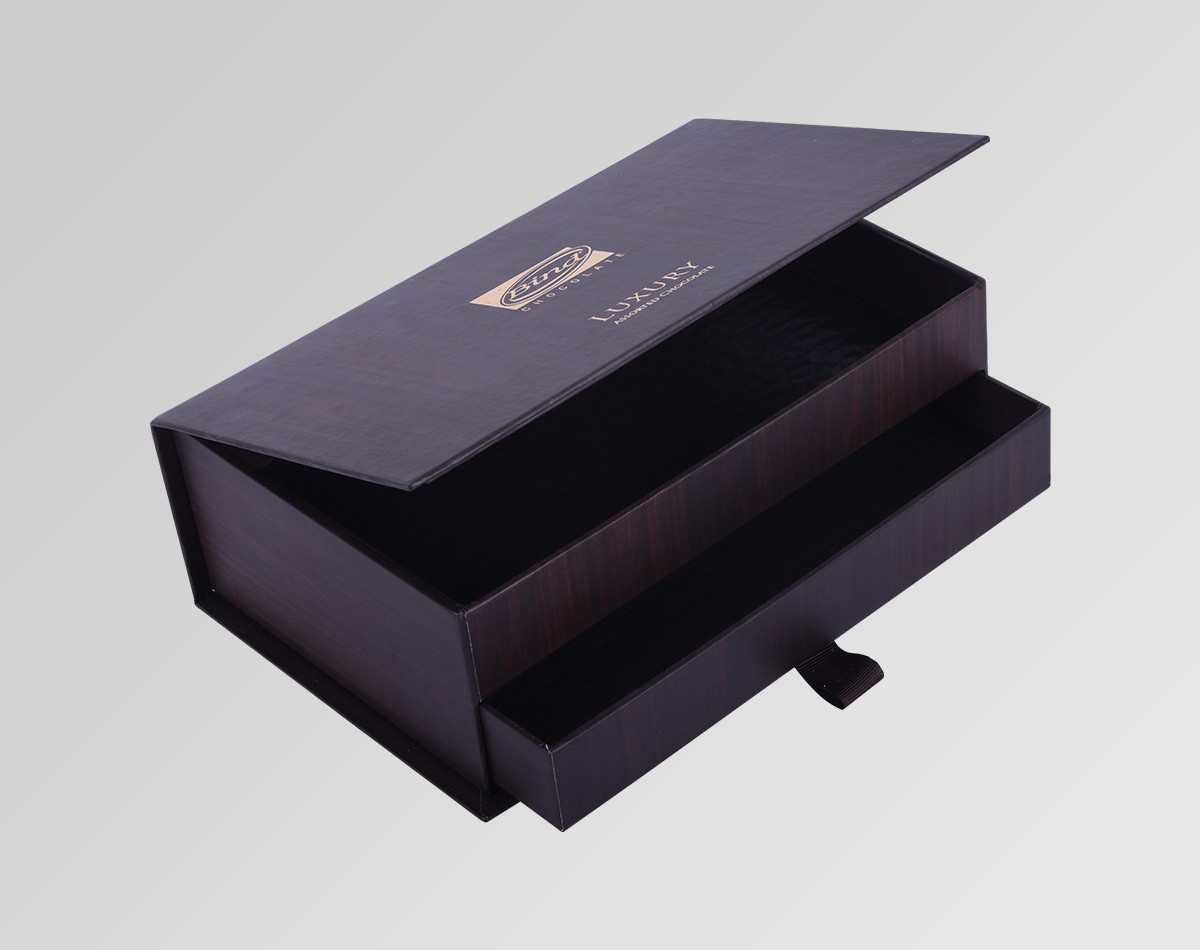
When sourcing custom packaging for high-end retail, beauty kits, electronics, or promotional merchandise, brand managers and procurement specialists face a fundamental decision: committing to a large-scale wholesale order or starting with a small-batch short-run order. High-density rigid containers represent the gold standard of packaging due to their solid greyboard construction, crisp architectural edges, and outstanding structural durability. However, the manufacturing economics behind these premium boxes vary significantly depending on production volume.
Deciding between wholesale purchasing and small-batch production requires evaluating minimum order quantities (MOQs), unit manufacturing costs, prepress setup charges, storage capacity, and speed to market. Understanding these commercial trade-offs ensures that your purchasing strategy aligns with your brand’s financial cash flow, operational scale, and sales forecasting.
When launching curated corporate merchandise or holiday presentation sets, choosing rigid gift boxes gives brands an immediate visual upgrade that communicates luxury, regardless of whether the order is produced in short runs or mass wholesale quantities.
To evaluate the differences between wholesale and small-batch purchasing, it is essential to understand how setup containers are manufactured. Unlike simple folding cartons that are die-cut and shipped flat, rigid boxes involve a multi-step manufacturing sequence:
Board Cutting and Grooving: Thick greyboard sheets are cut and V-grooved to form precise 90-degree box corners.
Corner Staying: The grooved board is folded into a three-dimensional base and secured at the corners with heat-activated tape.
Paper Wrapping and Gluing: Printed or textured wrap paper is coated with adhesive and wrapped neatly over the stayed board core.
Because setting up industrial gluing lines, automated wrapping machines, and V-grooving equipment requires significant labor and calibration time, high-speed automated equipment is optimized for large production volumes. Small-batch orders, by contrast, rely heavily on semi-automated or manual crafting, which drastically alters unit pricing and lead times.
For classic retail items requiring high vertical stack strength and traditional lift-off presentation, specifying two piece rigid boxes during high-volume wholesale runs enables maximum mechanical automation, resulting in fast assembly and low per-unit costs.
The most immediate difference between wholesale and short-run purchasing lies in the supplier’s minimum order requirements:
Wholesale Purchases: Manufacturers typically enforce MOQs ranging from 1,000 to 5,000 units per artwork SKU. Industrial automated machines require large runs to offset setup labor and material calibration waste.
Small-Batch Orders: Specialized short-run packaging suppliers accommodate orders ranging from 50 to 500 units. These orders utilize digital die-cutters and manual wrap tables, offering maximum purchasing flexibility for limited-edition product drops.
Small-batch orders allow emerging brands, startups, and niche e-commerce businesses to enter the market without tying up capital in massive packaging inventory. However, larger brands benefit from wholesale orders by locking in long-term inventory consistency across major product lines.
For constructing dynamic slider packaging for boutique cosmetic launches or limited-edition electronics items, using stiff drawer boxes in small-batch runs helps marketers to gage customer enthusiasm in new product categories before making huge wholesale stocking commitments.
Cost structure is the primary driver when choosing between wholesale and small-batch packaging programs.
Upfront Setup and Plate Charges: Custom printing plates, brass foil stamping dies, and custom steel-rule cutting dies carry fixed upfront costs. In wholesale orders, these fixed charges are amortized across thousands of units, making their impact on per-unit cost negligible. In small-batch runs, fixed setup fees are distributed over a few hundred units, driving the individual unit cost up significantly.
Material Waste during Calibration: Setting up automated gluing and wrapping machinery requires calibrating paper feed tension and glue viscosity, which consumes setup materials. Large-scale runs readily absorb this setup waste.
Per-Unit Production Cost: Large wholesale runs benefit from automated manufacturing efficiency, yielding unit costs that can be 50% to 70% lower than small-batch equivalents.
To shield delicate internal compartments while providing a seamless, wrap-around outer canvas for minimalist typography and subtle spot-gloss patterns, using sleeve rigid boxes requires evaluating whether the dieline tooling for both the outer sleeve and inner tray fits within a short-run budget or aligns better with a wholesale order.
The depth of customization available often depends on the chosen production route.
Wholesale manufacturing provides unlimited access to custom raw materials. Brands ordering in high volume can request custom-dyed paper wraps, specialized pantone-matched board cores, unique structural shapes, and complex inline foil stamping and embossing.
Small-batch production, while versatile, often relies on stocked paper wraps, standard digital press sizes, and digital spot UV or digital foil embellishments that do not require physical metal dies. While modern digital finishing produces stunning visual results, short-run buyers may have a slightly narrower selection of specialty textured paper stocks compared to large wholesale buyers.
When securing high-end products that require a firm closure, incorporating collapsible rigid boxes in wholesale quantities ensures that neodymium magnets are machine-embedded flush within die-cut board recesses, delivering a flawless surface wrap across large production runs.
A frequently overlooked aspect of purchasing setup containers is physical inventory storage and transport volume. Because rigid boxes ship as fully formed 3D containers, they occupy significant warehouse space compared to flat corrugated blanks.
Ordering 5,000 fully assembled boxes requires substantial palletized storage space in a dry, temperature-controlled facility. Small-batch orders, conversely, can be stored easily in limited retail storage rooms, preventing clutter and reducing warehouse overhead.
For global supply chains managing large wholesale volumes across multiple fulfillment centers, adopting magnetic closure rigid boxes provides an ideal solution. These flat-packable rigid structures ship flat in bulk cutting ocean freight volume by up to 80% and assemble quickly into heavy-duty containers at destination facilities, bridging the gap between wholesale volume discounts and storage space management.
To summarize the operational differences between both purchasing strategies, consider the following comparison:
Order Quantity (MOQ): Wholesale orders typically require 1,000 to 5,000+ units; small-batch orders accept 50 to 500 units.
Per-Unit Cost: Wholesale orders offer significantly lower unit costs due to automation; small-batch orders carry higher per-unit costs due to manual assembly.
Upfront Setup Fees: Wholesale orders absorb die and plate setup fees easily across high volume; small-batch orders rely on digital die-cutting to minimize tooling expenses.
Storage Requirement: Wholesale orders require large warehouse space for 3D boxes; small-batch orders demand minimal storage footprint.
Turnaround Time: Wholesale runs require 3 to 6 weeks for automated setup and mass production; small-batch digital runs can be executed in 1 to 2 weeks.
Choosing between wholesale and small-batch rigid box orders comes down to balancing production scale, available cash flow, storage capacity, and speed to market. Small-batch ordering is an ideal strategic choice for product testing, seasonal promotional gifts, limited-edition releases, and growing brands seeking to minimize upfront financial risk. Conversely, wholesale purchasing remains the ultimate choice for established retail brands looking to maximize profit margins, lower unit costs, and secure full material customization across high-volume sales channels. By aligning your purchasing model with your brand's operational needs, you ensure a seamless packaging program that protects product integrity and elevates brand value.
Standard wholesale MOQs usually start at 1,000 units per size and artwork design, though automated high-volume factories may set their minimums at 2,500 to 5,000 units to maximize press efficiency.
Small-batch orders rely heavily on manual or semi-automated labor rather than fully automated high-speed machinery. Additionally, fixed pre press setup costs and machine calibration waste are divided among fewer boxes, increasing the individual unit price.
Yes, reputable packaging manufacturers always produce a physical pre-production sample (PPS) for client sign-off before initiating mass wholesale production, allowing you to verify structural fit, board thickness, and print colors.
You can lower shipping costs by ordering flat-pack collapsible rigid box styles to minimize volumetric freight space, or by arranging Delivered Duty Paid (DDP) ocean freight terms to secure fixed landed delivery rates.