AI-powered ERP software helps businesses automate tasks, improve decision-making, and connect departments. With smarter workflows and better data insights, solutions like Synclo help organizations boost efficiency, simplify operations, and support sustainable growth.
Running a business today is not as simple as it used to be. Companies need to manage finances, employees, sales, projects, customer relationships, and daily operations while keeping up with changing customer expectations. When these activities are handled separately, it becomes harder to share information, track progress, and make the right decisions at the right time.
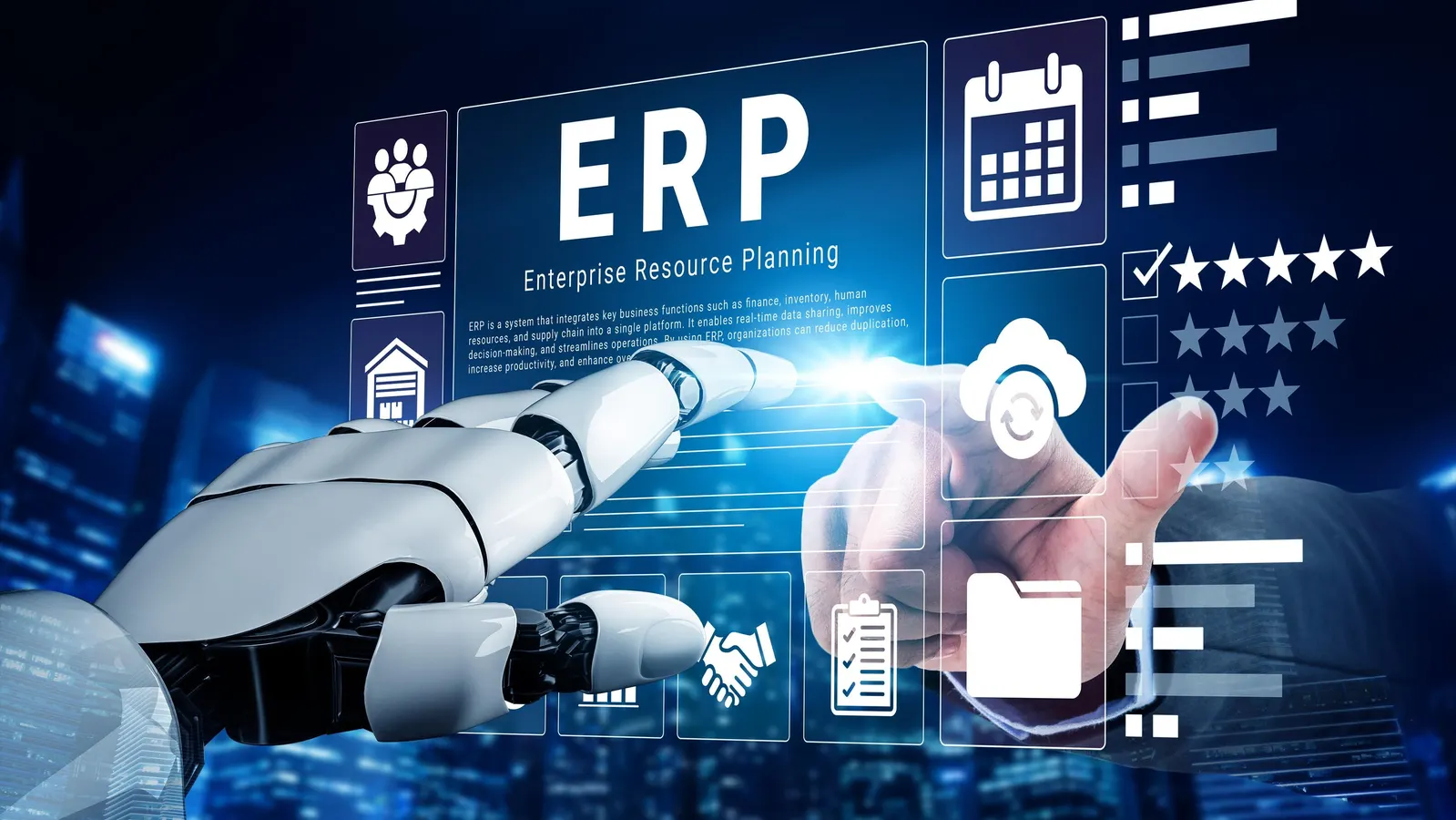
This is where AI-powered Enterprise Resource Planning (ERP) software is changing the way businesses operate. By combining artificial intelligence (AI) with business management systems, companies can automate repetitive tasks, understand their data more clearly, and improve coordination between departments.
The goal is not simply to introduce new technology. It is to make everyday work easier, reduce unnecessary effort, and help businesses focus on what matters most. As organizations look for smarter ways to manage their operations, AI-powered ERP software is becoming an important part of the future of business management.
ERP software helps businesses manage different departments and processes through one connected system. Instead of keeping financial records, employee information, sales activities, and project updates in separate places, an ERP system brings essential business information together.
AI-powered ERP software takes this approach further by using artificial intelligence to analyze information, recognize patterns, support routine tasks, and provide useful insights.
For example, a business may use AI-supported analysis to identify unusual expenses, understand sales trends, or highlight delays in ongoing projects. These insights can help managers understand what is happening across the organization and decide what needs attention.
However, AI does not replace human experience or guarantee perfect decisions. Its value depends on reliable data, suitable processes, and people who can review its recommendations carefully.
One of the biggest challenges businesses face is the amount of time spent on repetitive administrative work. Employees often need to update records, prepare reports, check information, process requests, and follow up on pending activities.
Although these tasks may seem small, they can consume valuable time when repeated every day.
AI-powered ERP software can help automate suitable routine activities and reduce the amount of manual effort required. For instance, it may help categorize information, flag incomplete records, summarize reports, or identify tasks that need attention.
This allows employees to spend more time on customer service, planning, problem-solving, and other activities that require human judgment.
Automation also helps create more consistent processes. When routine work follows clear rules, businesses can reduce avoidable mistakes and improve overall efficiency.
Every business generates information through sales, expenses, employee activities, customer interactions, and project performance. The challenge is turning that information into something useful.
AI-powered ERP systems can analyze business data to identify trends, recognize unusual changes, and support more informed decisions.
For example, if sales begin to decline in a particular period, managers can review the available data to understand possible reasons. If expenses increase unexpectedly, finance teams can investigate the change before it becomes a larger problem.
These insights help businesses move beyond guesswork and make decisions based on relevant information.
Still, AI-generated insights should be treated as guidance rather than unquestionable facts. Managers need to consider business conditions, data quality, and their own experience before acting on recommendations.
Financial management is essential to the long-term success of any organization. Businesses need to monitor expenses, manage budgets, maintain accurate records, and understand their financial position.
AI-powered ERP software can support these activities by helping teams analyze spending patterns, identify unusual transactions, and prepare more informed financial forecasts.
For example, an organization may notice that certain operating costs are increasing faster than expected. AI-supported analysis can highlight the pattern, allowing the finance team to investigate and take appropriate action.
Better visibility into financial information can also help businesses plan budgets and allocate resources more carefully.
However, financial decisions still require proper checks, accurate records, and professional oversight. AI can make financial information easier to understand, but it should not replace responsible financial management.
Employees are one of the most valuable parts of any business, but managing workforce information can involve many administrative responsibilities.
Human resource teams handle recruitment, onboarding, employee records, attendance, leave requests, and performance-related processes. When these activities are difficult to coordinate, important information can be delayed or overlooked.
HR management systems can help organize HR information, support routine requests, and identify workforce trends. For example, managers may use available data to understand staffing needs, while HR teams can monitor recruitment progress and identify process delays.
These capabilities can make HR operations more organized and give employees a smoother experience.
At the same time, sensitive decisions involving hiring, promotion, and employee performance should remain subject to human review. Fairness, privacy, and transparency must always be priorities.
A common problem in growing businesses is that departments work independently without having a clear view of what other teams are doing.
For example, the sales department may need financial information to complete a task, while project managers may need updates from HR to plan workloads. If information is delayed or inconsistent, the entire process can slow down.
An integrated ERP system helps connect these business functions through shared information and coordinated workflows. AI can add further value by highlighting pending activities, identifying possible bottlenecks, and helping teams prioritize work.
This connected approach reduces information gaps and makes it easier for employees to work toward shared goals.
Synclo supports this approach by bringing essential business functions together in one integrated platform, helping organizations improve coordination and manage their operations more effectively.
Successful businesses do not only focus on what is happening today. They also need to prepare for future challenges and opportunities.
AI-powered ERP software can use historical and current information to support forecasting. Depending on the available data, businesses may use these insights to estimate sales demand, plan staffing, review budgets, or identify potential project delays.
For example, understanding previous sales patterns can help a company prepare for periods of higher demand. Similarly, reviewing project progress may help managers recognize risks before deadlines are missed.
Forecasts are not guaranteed predictions. Market changes, unexpected events, and incomplete information can affect their accuracy.
Even so, AI-supported planning can help businesses consider different possibilities, prepare resources more effectively, and respond to changing conditions with greater confidence.
As businesses grow, their operations usually become more complicated. They may hire more employees, serve additional customers, expand into new markets, or introduce new services.
A system that works for a small team may become difficult to manage as the organization expands. This is why flexibility is an important part of modern business management.
AI-powered ERP software can help growing companies manage increasing amounts of information and improve coordination across departments. Cloud-based solutions can also provide flexible access to business functions for authorized users, depending on system capabilities and security settings.
The right ERP system should support current requirements while allowing room for future development. Businesses should consider their operational needs, data security, implementation costs, and employee training before choosing a solution.
Although AI-powered ERP software offers many advantages, adopting it successfully requires careful planning.
First, businesses need accurate and organized data. Poor-quality information can lead to misleading insights and unreliable recommendations.
Second, employees need time and training to understand new workflows. Technology delivers better results when people know how to use it properly and understand its purpose.
Third, organizations must protect sensitive business information through appropriate security controls, access permissions, and privacy practices.
Finally, businesses should avoid automating processes simply because automation is available. They should identify genuine problems first and introduce AI where it can provide practical value.
Starting with clear goals, reviewing results, and improving gradually can make adoption more manageable.
Q1. What is AI-powered ERP software?
AI-powered ERP software combines enterprise resource planning with artificial intelligence to help businesses manage operations, analyze data, automate suitable tasks, and improve decision-making.
Q2. How does AI improve business management?
AI can help identify patterns in business data, support repetitive workflows, highlight unusual changes, and provide insights that help managers plan and prioritize work.
Q3. Is AI-powered ERP suitable for small businesses?
Yes. Small businesses can benefit from ERP solutions when they need better coordination, clearer financial records, or more organized workflows. The best choice depends on their budget, requirements, and plans for growth.
Q4. Can AI-powered ERP software replace employees?
AI can automate some repetitive activities, but it does not replace the need for human judgment, communication, creativity, and accountability. It is most useful when it helps employees work more effectively.
Q5. What should businesses consider before adopting AI-powered ERP?
Businesses should evaluate data quality, security, privacy, ease of use, employee training, implementation costs, and whether the system addresses their actual operational challenges.
AI-powered ERP software is shaping the future of business management by helping organizations automate routine tasks, understand business data, improve financial visibility, and connect departments more effectively.
Its greatest value comes from combining intelligent technology with human experience. AI can identify patterns and support decisions, while people provide judgment, creativity, accountability, and an understanding of real business needs.
As companies continue to adapt to changing markets, integrated ERP solutions can help them manage complexity and make better use of their resources. With the right approach, businesses can build more efficient workflows, improve collaboration, and prepare for sustainable growth.
The future of business management is not about replacing people with technology. It is about giving people better information, simpler processes, and more time to focus on meaningful work.