Most buyers spend hours looking at kitchens, backyards, and paint colors. Almost nobody spends time thinking about the pipe buried under the lawn that carries everything out of the house. Yet that pipe can be one of the most expensive things to fix. A sewer inspection gives you a look inside that hidden line before you own it, and for many homes it is one of the best uses of a few hundred dollars.
Most buyers spend hours looking at kitchens, backyards, and paint colors. Almost nobody spends time thinking about the pipe buried under the lawn that carries everything out of the house. Yet that pipe can be one of the most expensive things to fix. A sewer inspection gives you a look inside that hidden line before you own it, and for many homes it is one of the best uses of a few hundred dollars.
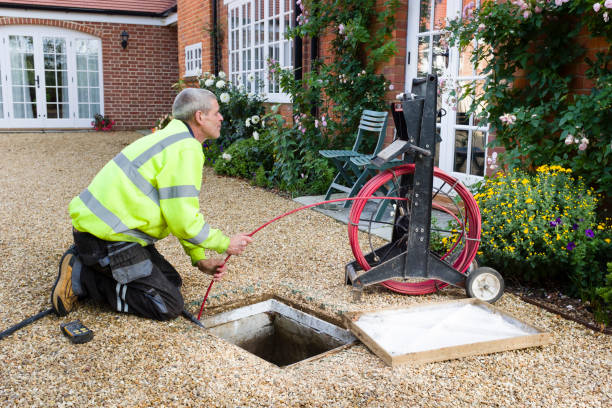
A sewer inspection, often called a sewer scope, uses a small waterproof camera on a flexible cable. The inspector feeds the camera into the main line through a cleanout or another access point and watches a live video feed. The camera shows cracks, breaks, sagging sections, tree roots, buildup, and blockages. Many inspectors record the video and include notes in a written report.
It is not part of a standard home inspection in most cases. The general inspector can check fixtures, drains, and visible pipes, but cannot see the buried line. That is why you usually have to ask for it as a separate service.
Not every home needs a sewer scope, but some situations make it close to essential.
Homes more than thirty or forty years old, especially those with original clay, cast iron, or fiber pipes.
Properties with large, mature trees near the sewer line.
Homes where the seller cannot provide records of past sewer repairs.
Houses with signs of drainage trouble, like slow drains or damp spots in the yard.
Homes that have been vacant for a long time.
If you are buying a newer home, the risk is lower, but installation mistakes can still happen. A quick camera check can bring peace of mind.
Sewer problems often show up in small ways first. Slow drains in more than one fixture, gurgling sounds in toilets or tubs, frequent clogs, sewage smells in the yard or basement, and unusually green, soggy patches of lawn can all point to a damaged line. If you are touring a home and notice any of these, it is worth asking about the sewer.
A sewer camera inspection often costs between a hundred and fifty and four hundred dollars, depending on the area and the length of the line. Compare that to the cost of repair. Fixing a section of damaged pipe can run several thousand dollars. Replacing a whole line, especially if it requires digging through a driveway or yard, can climb into the tens of thousands.
Finding the problem before closing gives you real options. You can ask the seller to repair it, negotiate a lower price, or walk away. Finding it after closing leaves you with the bill.
Home buyers already understand the idea of ordering a specialized inspection when a warning sign appears. A person who smells dampness in a basement might call for a mold inspection Chicago residents would hire after a flooded cellar. A buyer who sees droppings in an attic might order a pest report. A sewer scope works the same way. It focuses on one hidden system, uses special tools, and gives you information a general walkthrough simply cannot.
The difference is that sewer problems are easy to forget. Mold has a smell and pests leave marks, but a broken pipe underground gives almost no clues until it causes a backup.
First, the inspector finds an access point, usually a cleanout near the house or a spot where the line exits the building. Next, they feed the camera down the line while watching the screen. They note the pipe material, how deep problems are, and how far from the house the issue is located. Finally, they give you the video or photos and a report that explains the findings in plain language.
The visit usually lasts under an hour. You can often watch the screen yourself, which helps you understand what the inspector is describing.
Not every flaw means disaster. Minor roots or small bits of buildup can often be cleaned out. A crack may be repaired with a patch or a trenchless lining method. Serious problems include collapsed sections, bellies where waste collects, and widespread corrosion. If the report shows major damage, get quotes from licensed plumbers so you know the real repair cost.
Sellers can benefit too. Having a recent sewer inspection ready shows buyers that you have nothing to hide. If the report finds a small issue, fixing it ahead of time can prevent a negotiation fight later.
A sewer inspection does not take long, does not cost much, and can protect you from one of the most expensive surprises in homeownership. If the home is older, has big trees, or shows any warning signs, add it to your inspection plan. Knowing what is under the ground before you buy is far better than finding out through a backup after you move in.