Discover how to choose the best outdoor Christmas lights by comparing LED options, colors, durability, energy efficiency, and installation safety for a beautiful holiday display.
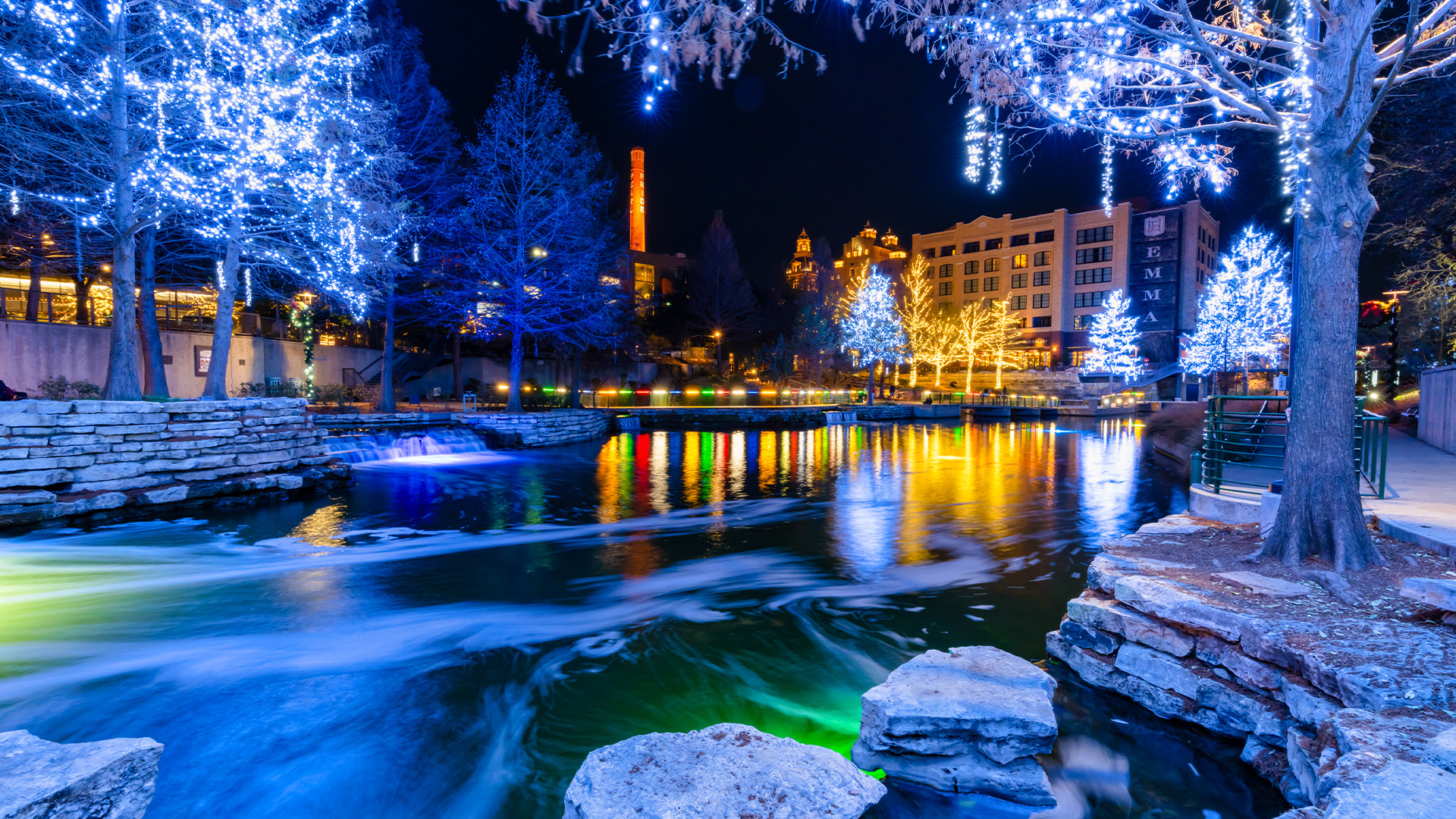
Choosing the right Christmas lights can make a big difference in how your home looks during the holiday season. Outdoor lighting adds warmth, creates a festive atmosphere, and makes your property more welcoming for family, friends, and neighbors. However, with so many lighting styles, colors, and technologies available, selecting the right option can feel overwhelming. Understanding the different types of lights and their features can help you make a better decision.
Whether you want a simple display around your roofline or an impressive holiday decoration across your entire property, choosing suitable lights is essential. The right products should look attractive, withstand outdoor weather conditions, and operate safely throughout the season. This guide explains the important factors to consider before purchasing outdoor Christmas lights.
The first thing to consider is whether the lights are specifically designed for outdoor installation. Indoor lights are not manufactured to handle the same exposure to rain, moisture, wind, and changing temperatures. Using them outside can create safety concerns and may cause them to stop working properly.
Look for lighting products with appropriate weather-resistant ratings. Outdoor-rated lights are generally better protected against moisture and environmental exposure. Check the manufacturer's instructions to confirm where and how the lights can be installed.
When comparing outdoor lighting products, consider:
Weather-resistant construction for outdoor conditions.
Durable wiring that can handle seasonal use.
Proper safety certifications.
Suitable connections and outdoor-rated extension cords.
Clear installation and maintenance instructions.
Selecting the right products from the beginning helps reduce potential problems during the holiday season.
Another important decision is choosing between LED and incandescent Christmas lights. Both options can create attractive holiday displays, but they offer different advantages. Traditional incandescent lights produce a familiar warm glow that many homeowners associate with classic Christmas decorations.
LED lights, on the other hand, are popular because they generally consume less electricity and have a longer operating life. They also produce less heat than traditional incandescent bulbs, making them a practical choice for many outdoor applications.
Here are some differences to consider:
LED lights: Energy-efficient, long-lasting, and available in different colors and styles.
Incandescent lights: Offer a traditional appearance but generally use more electricity.
Color options: Both types are available in warm white, cool white, and multiple colors.
Maintenance: LED products often require less frequent replacement.
For homeowners planning an extensive outdoor display, LED lighting can be a cost-effective option over time.
The color of your Christmas lights plays an important role in the overall appearance of your outdoor decorations. Before purchasing anything, think about the atmosphere you want to create. Warm white lights provide a traditional and welcoming appearance, while cool white lights create a brighter, more modern effect.
Multicolored lights are another popular option, especially for families who enjoy a playful and cheerful holiday display. You can also combine different lighting styles to create visual interest, but maintaining a consistent theme is important.
Consider these popular lighting choices:
Warm white: Ideal for traditional and elegant decorations.
Cool white: Suitable for modern and clean-looking displays.
Multicolored: Creates a lively and festive atmosphere.
Blue and white: Offers a winter-inspired decorative appearance.
Red and green: Creates a classic Christmas color combination.
Try to coordinate your lighting colors with your home's exterior, roofline, landscaping, and other decorations.
The size of your property should influence the type and quantity of Christmas lights you purchase. A small home may only need lights around the roofline, windows, and entrance, while a larger property may benefit from additional lighting across trees, pathways, fences, and outdoor features.
Measure the areas you want to decorate before buying your lights. This helps you estimate the required length and avoid purchasing too much or too little lighting material.
For better planning, divide your outdoor space into different sections:
Rooflines and gutters.
Windows and door frames.
Trees, shrubs, and garden areas.
Driveways and walkways.
Porches, patios, and fences.
Planning the layout in advance makes Christmas Lights Installation more organized and helps create a balanced appearance across your property.
Brightness is another factor that can affect the quality of your outdoor Christmas display. Some lights produce a soft decorative glow, while others are designed to create a brighter and more noticeable appearance. Your choice should depend on the area you want to illuminate and the overall design.
Bulb spacing also matters because it determines how evenly the lights are distributed. Closely spaced bulbs can create a fuller appearance, while wider spacing may work better for larger decorative areas.
Before purchasing, check the product specifications, including bulb count, spacing, brightness, and lighting length. If you are decorating rooflines or larger outdoor structures, choose products that provide consistent illumination without making the display look overcrowded.
Outdoor Christmas lights must be safe enough to operate throughout the holiday season. Since they are exposed to environmental conditions, choosing durable products and following proper installation practices is essential.
Always inspect wires, plugs, sockets, and connections before using your decorations. Avoid installing damaged lighting products or connecting more light strings than the manufacturer recommends.
Follow these basic safety precautions:
Use lights specifically rated for outdoor applications.
Keep electrical connections protected from moisture.
Follow the manufacturer's recommendations for connecting light strings.
Use outdoor-rated extension cords where required.
Avoid overloading electrical outlets.
Secure lights using suitable clips rather than damaging nails or staples.
Switch off decorations when necessary, especially during maintenance.
For rooflines, tall trees, and difficult-to-reach areas, professional installation can help reduce the risks associated with ladders and electrical connections.
Holiday decorations may remain switched on for several hours every evening. Therefore, energy consumption is worth considering when choosing outdoor Christmas lights. Energy-efficient products can help reduce electricity usage without compromising the appearance of your display.
LED lights are generally a practical option because they use less energy than traditional incandescent alternatives. You can also consider timers or compatible smart plugs to control operating hours automatically.
Maintenance is equally important. Store your lights carefully after the holiday season, keep them dry, and avoid tightly wrapping wires around sharp objects. Proper storage can help protect the bulbs and wiring, making your decorations easier to reuse next year.
Some homeowners prefer installing Christmas lights themselves, while others choose professional services for larger or more complicated displays. DIY installation may work well for simple decorations around accessible windows, porches, and small garden areas.
However, professional installers can help with rooflines, large trees, multi-story properties, and customized lighting designs. They can also assist with selecting suitable products, planning the layout, and securing decorations properly.
Professional Christmas Lights Installation can be especially helpful when you want a polished display without spending hours handling equipment, climbing ladders, and arranging electrical connections.
Before hiring a company, ask about its experience, lighting options, installation process, maintenance support, and pricing. A clear understanding of the services included can help you make a confident decision.
1. What type of Christmas lights are best for outdoor installation?
LED Christmas lights are a popular choice because they are energy-efficient, durable, and available in different colors and styles. Always select products specifically rated for outdoor use.
2. Are LED Christmas lights better than traditional lights?
Generally, yes. LED lights consume less electricity, produce less heat, and typically last longer than traditional incandescent lights. However, the best option depends on your budget and preferred appearance.
3. How many Christmas lights do I need for my house?
The required quantity depends on your home's size, roofline length, landscaping, and decoration plans. Measuring each area before purchasing helps you estimate the correct amount.
4. Can outdoor Christmas lights stay on during rain?
Outdoor-rated lights are designed for appropriate outdoor conditions, including exposure to moisture. However, connections must be protected, and the manufacturer's safety instructions should always be followed.
5. Should I hire professionals for outdoor Christmas lighting?
Professional installation is a good option for large displays, high rooflines, and complicated layouts. Experienced installers can help create an attractive display while reducing the risks associated with working at heights.
Choosing the best outdoor Christmas lights involves more than selecting attractive colors and designs. You should consider weather resistance, energy efficiency, brightness, durability, safety, and the size of your property before making a purchase. Planning your lighting layout and selecting suitable products can help you create a beautiful and balanced holiday display. With the right preparation, your outdoor decorations can bring warmth, beauty, and festive charm to your home throughout the Christmas season.