Discover what modern consumers expect from a Canadian skincare brand, including transparent ingredients, quality formulations, everyday skincare solutions, comfortable textures, and honest brand values. Explore how thoughtful skincare choices and customer trust are shaping the future of the beauty industry.
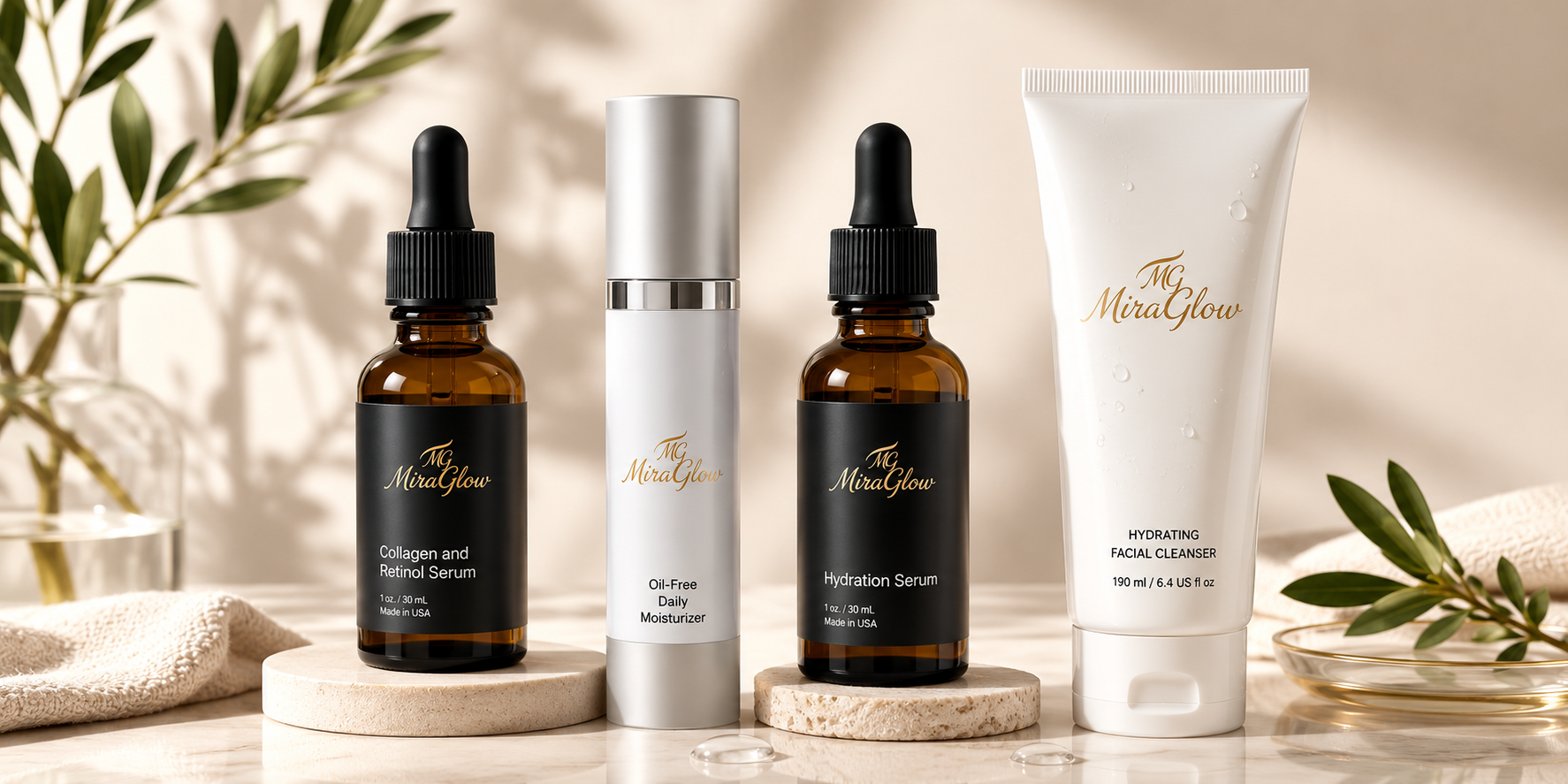
The skincare industry has changed significantly over the past few years. Consumers are no longer interested in buying products simply because they look attractive or promise instant results. They want to understand what goes into their skincare, how products fit into their daily routines, and whether a brand genuinely delivers on its promises. This shift has created new expectations for every Canadian skincare brand looking to build trust and long-term customer relationships.
Today's beauty consumers are more informed, ingredient-conscious, and selective than ever. They compare formulations, read product descriptions, explore customer reviews, and look for skincare solutions that address their everyday needs. For brands, understanding these expectations is essential to creating products and experiences that people genuinely value.
One of the biggest expectations among modern skincare consumers is transparency. People want to know what they are applying to their skin and why particular ingredients have been included in a formulation.
Ingredients such as hyaluronic acid, glycerin, shea butter, aloe vera, jojoba oil, and vitamin E are widely recognized for their moisturizing, conditioning, and skin-supporting properties. Consumers increasingly appreciate brands that explain the purpose of their ingredients rather than relying on complicated scientific language or exaggerated marketing claims.
A trustworthy skincare company should provide clear ingredient lists, understandable product descriptions, and realistic information about expected benefits. This helps customers make informed purchasing decisions and builds confidence in the brand.
Modern consumers often prefer practical skincare products that fit naturally into their lifestyles. While specialized treatments have their place, everyday essentials remain an important part of maintaining healthy-looking skin.
Moisturizers, cleansers, hand creams, and nourishing body care products serve practical purposes in daily routines. For example, frequent handwashing, environmental exposure, and changing weather conditions can leave hands feeling dry and uncomfortable. A well-formulated hand cream can help replenish moisture and keep the skin feeling soft.
Consumers appreciate products that are easy to use, comfortable on the skin, and suitable for regular application. Rather than complicated routines involving numerous products, many people are looking for straightforward solutions that deliver reliable everyday care.
Attractive packaging and persuasive advertisements may encourage someone to try a skincare product, but the actual formulation determines whether they will purchase it again.
Today's consumers pay attention to texture, absorption, fragrance, consistency, and how a product feels after application. A moisturizer that leaves an unpleasant residue or feels uncomfortable may struggle to earn repeat customers, even when its packaging and marketing are impressive.
A quality-focused Canadian skincare brand should prioritize balanced formulations and realistic product positioning. Ingredients should serve a purpose, and product claims should reflect what the finished formulation can genuinely deliver.
Customers increasingly value honesty over exaggerated promises. Clear communication about what a product does, who it is designed for, and how to use it can make a significant difference in the overall shopping experience.
Every individual has different skincare preferences. Some people experience dryness, while others are concerned about uneven texture, sensitivity, or maintaining moisture throughout the day.
This means consumers increasingly look for products that address specific concerns without making their routines unnecessarily complicated.
For example, someone who spends long hours working in an air-conditioned office may prioritize moisturizing products. Another person who frequently washes their hands may prefer a nourishing hand cream that can be reapplied throughout the day.
Brands that understand these everyday situations can create more relevant product experiences. Providing clear usage instructions and explaining product suitability also helps customers select products that align with their individual needs.
Importantly, skincare brands should avoid suggesting that one formulation works equally well for everyone. Individual skin responses vary, and honest guidance helps establish realistic expectations.
Skincare is not only about ingredients and product performance. The overall experience also influences purchasing decisions.
Consumers notice details such as packaging convenience, product consistency, fragrance, application, and how their skin feels afterward. A product that is pleasant to use is more likely to become a regular part of someone's routine.
Hand creams, for instance, should provide comfortable moisture without leaving hands feeling excessively sticky or heavy. Similarly, everyday moisturizers should be easy to apply and compatible with the user's preferred skincare routine.
Modern consumers appreciate products that combine practical benefits with an enjoyable application experience. This balance can help transform ordinary skincare habits into meaningful self-care moments.
Trust has become one of the most valuable factors in the beauty industry. Consumers have access to countless brands and product options, making it easier to compare claims and identify marketing that feels unrealistic.
A brand can strengthen customer relationships by providing accurate descriptions, transparent ingredient information, helpful usage instructions, and responsive customer support.
It is equally important to avoid unsupported claims. For example, describing a moisturizer as helping soften dry skin is more responsible than promising that it will permanently repair skin damage.
Customer reviews and genuine feedback can also help prospective buyers understand what to expect. Brands that listen to their customers and continuously improve their products are better positioned to develop lasting relationships.
Consumers are also paying greater attention to the values behind the brands they support. Product quality remains important, but factors such as packaging, sourcing practices, ingredient selection, and environmental responsibility can influence purchasing decisions.
Many shoppers appreciate brands that communicate their practices honestly and avoid making sustainability claims without supporting evidence.
Thoughtful packaging choices, responsible business practices, and clear communication about sourcing can contribute to a positive brand identity.
However, modern consumers are increasingly aware of vague marketing language. Genuine actions and transparent information matter more than simply describing a product as natural, clean, or eco-friendly.
Choosing skincare products should involve more than following trends or purchasing whatever is currently popular. Consumers benefit from understanding their skin's needs, reading ingredient lists, and selecting products that complement their routines.
This is where brands such as MiraGlow can become part of the everyday skincare conversation. With products focused on nourishment and daily skin care, the brand reflects the growing interest in practical beauty essentials.
For example, MiraGlow Intensive Repair Hand Cream combines Shea Butter with botanical oils, including Sunflower Seed Oil, Jojoba Seed Oil, Avocado Oil, and Grape Seed Oil. Its formulation also includes Glycerin, Aloe Vera, Allantoin, and Vitamin E, ingredients commonly used in moisturizing and skin-conditioning products.
This type of product illustrates why consumers are increasingly interested in understanding individual ingredients and their role in everyday skincare.
What modern consumers want from a Canadian skincare brand goes beyond attractive packaging or popular beauty trends. They are looking for transparency, thoughtful formulations, practical products, comfortable application, and honest communication.
Brands that understand these expectations have an opportunity to build stronger customer relationships through products that genuinely fit into everyday life.
Ultimately, successful skincare is not about making unrealistic promises. It is about helping people make informed choices, maintain consistent routines, and feel comfortable in their skin. As consumer expectations continue to evolve, quality, transparency, and trust will remain central to the future of the skincare industry.