Latest Updates Click Here


How Dental Veneers Can Transform Your Smile and Confidence
Dental veneers can improve several cosmetic concerns at the same time. These thin coverings are placed over the visible surfaces of selected teeth. They can improve the color, shape, size, and overall balance of your smile while maintaining a natural appearance.

Your smile is one of the first things people may notice about you. When you feel comfortable with your teeth, smiling during conversations, photographs, meetings, and social events often feels easier. However, stains, chips, gaps, or uneven teeth may cause you to hide your smile.
Dental veneers can improve several cosmetic concerns at the same time. These thin coverings are placed over the visible surfaces of selected teeth. They can improve the color, shape, size, and overall balance of your smile while maintaining a natural appearance.
Still, veneers are not suitable for every person or every dental concern. Understanding how the treatment works can help you decide whether it matches your smile goals, oral health, and budget.
What Are Dental Veneers?
Dental veneers are thin shells designed to cover the front surface of a tooth. They are normally made from porcelain or tooth-colored composite material. Each veneer is created to match the size, shape, and color of the nearby teeth.
Unlike a dental crown, a veneer does not cover the whole tooth. It mainly changes the visible area that shows when you talk or smile. Veneers are often used on front teeth because these teeth have the greatest effect on smile appearance.
Some patients need only one veneer to improve a chipped or discolored tooth. Others may choose several veneers to make their smile look more balanced. The goal should be to produce a natural result that suits your face, lips, and existing teeth.
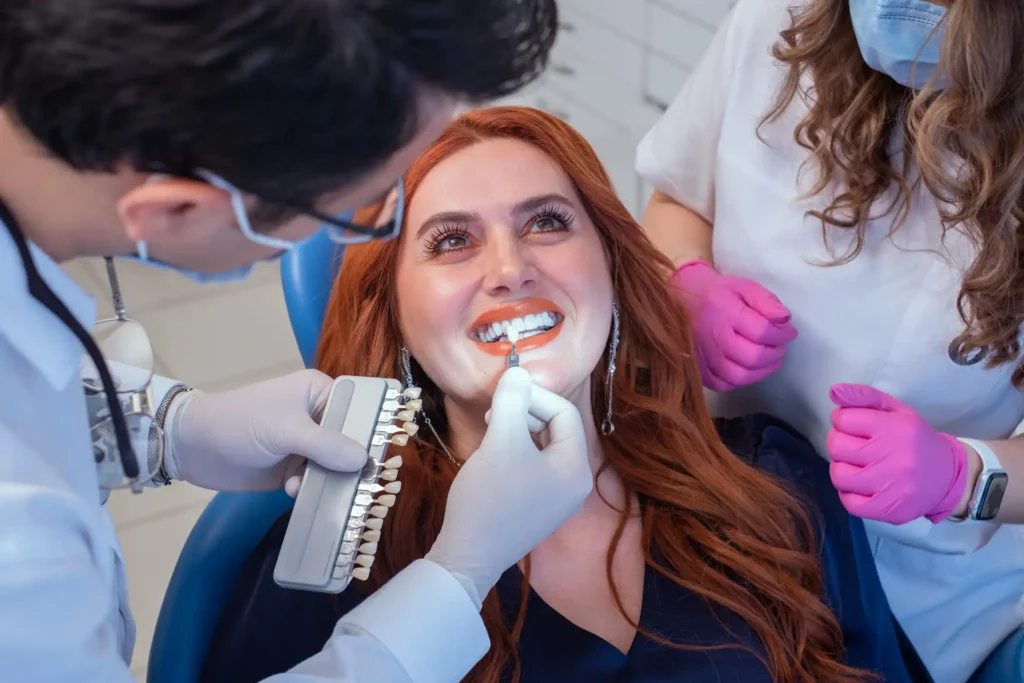
What Smile Concerns Can Veneers Improve?
Veneers can correct several cosmetic imperfections without completely changing the structure of every tooth. However, the teeth and gums must be healthy before treatment begins.
Deep or Uneven Tooth Stains
Whitening treatments may improve stains caused by coffee, tea, tobacco, or certain foods. However, they do not always correct deep discoloration caused by an old injury, medication, or internal changes within a tooth.
A veneer can hide the visible discolored surface and create a shade that matches the surrounding teeth. This may be helpful when one tooth looks darker or when whitening has produced uneven results.
Chipped or Worn Tooth Edges
Small chips and worn edges can make otherwise healthy teeth look uneven. Veneers can cover these areas and rebuild the visible tooth shape. They may also create smoother edges across the smile.
However, a badly broken or weakened tooth may require a crown or another restorative procedure. A dental examination will show whether the tooth has enough healthy structure to support a veneer.
Small Gaps Between Teeth
Veneers can sometimes close small spaces between front teeth. The coverings are shaped carefully to make the teeth slightly wider without creating an oversized or crowded appearance.
Larger gaps and bite problems may require orthodontic care instead. The dentist must check how the upper and lower teeth meet before suggesting a cosmetic treatment.
Uneven or Misshapen Teeth
Some teeth naturally look smaller, shorter, or differently shaped than the teeth beside them. Veneers can improve these differences by creating a more consistent shape and length.
The treated teeth should not look completely identical. Small natural differences can help the final smile appear more realistic and personal.
How Veneers May Improve Your Confidence
Feeling unhappy with your teeth may influence how you act in everyday situations. You might cover your mouth when laughing, avoid close-up photographs, or smile without showing your teeth. These habits may slowly affect your confidence.
Improving visible dental concerns may help you feel less worried about your appearance. You may feel more relaxed when speaking, attending events, giving presentations, or meeting new people.
However, veneers cannot guarantee confidence or solve every concern about appearance. They are designed to improve selected teeth. Clear goals and realistic expectations are important for feeling satisfied with the final result.
Porcelain and Composite Veneers Compared
Porcelain and composite are the two main materials used for veneers. Both can improve the appearance of a smile, but they differ in strength, cost, stain resistance, and treatment time.
Porcelain Veneers
Porcelain veneers are custom-made using impressions or digital scans of your teeth. The material reflects light in a way that resembles natural tooth enamel. It also resists everyday staining better than composite material.
Patients considering porcelain veneers in Richmond should understand that the dentist may need to remove a small amount of enamel. This creates space for the veneer and helps prevent the treated tooth from looking thick or unnatural.
Porcelain veneers can last for many years with proper care. However, they are not permanent for life. Normal wear, dental habits, accidental damage, and oral hygiene can all affect how long they remain in good condition.
Composite Veneers
Composite veneers are made from tooth-colored resin. The material is applied and shaped directly on the tooth. In many cases, the process requires fewer appointments and less enamel removal.
Composite treatment usually has a lower starting cost. However, the material may stain, wear, or chip sooner than porcelain. Repairs may be simpler, but more maintenance could be needed over time.
The best choice depends on your teeth, budget, cosmetic goals, and preferred treatment process.
What Happens During the Veneer Procedure?
The process begins with a consultation. Your dentist will examine your teeth, gums, enamel, and bite. You will also discuss what you want to change about your smile. Photographs, X-rays, impressions, or digital scans may be taken when needed.
Be clear about your expectations during this visit. Explain which teeth concern you, how bright you want your smile to appear, and whether you prefer a subtle or noticeable improvement.
For porcelain veneers, a thin layer of enamel may be removed from the selected teeth. Impressions or scans are then used to create the custom coverings. Temporary veneers may be placed while the final ones are being prepared.
During the fitting appointment, the dentist checks the size, shape, color, and position of every veneer. Necessary adjustments are made before the veneers are bonded to the teeth. The bite is also checked to ensure the new surfaces feel comfortable.
Mild sensitivity may occur after treatment. It often improves, but continuing pain or an uneven bite should be examined by the dental office.
Are You a Suitable Candidate for Veneers?
Suitable candidates normally have healthy teeth and gums. Veneers cannot treat tooth decay, gum disease, infections, or badly damaged teeth. These problems must be addressed before cosmetic treatment begins.
Veneers may not be recommended for people who heavily grind or clench their teeth. Repeated pressure can chip, crack, or loosen the material. A protective nightguard may be suggested when grinding happens during sleep.
Patients must also understand that traditional veneer treatment is usually irreversible. Once enamel has been removed, the treated teeth will continue to need veneers or another type of covering.
A qualified dentist in Richmond should examine your enamel, gums, bite, and dental history before recommending treatment. An in-person assessment provides more useful information than smile photographs alone.
Understanding the Cost of Veneers
The cost of veneer treatment depends on several factors. These include the chosen material, number of teeth, preparation required, and complexity of the smile design. Porcelain normally costs more initially because every veneer must be individually created.
Composite may have a lower starting cost, but it may need repair or replacement sooner. Therefore, you should compare long-term value instead of focusing only on the first payment.
When searching for Affordable Veneers in Richmond, ask what the quoted price includes. A complete estimate may cover the consultation, examinations, scans, temporary coverings, final placement, adjustments, and follow-up care.
Payment plans or financing options may be available at some dental offices. Ask about the full expected cost before agreeing to treatment so you can make a comfortable financial decision.
How to Care for Your New Veneers
Veneers do not require a difficult cleaning routine. Brush twice daily using a soft toothbrush and fluoride toothpaste. Floss gently each day to remove plaque around the gumline and between the teeth.
Avoid using your teeth as tools. Opening packages or biting pens, fingernails, and ice can damage veneers as well as natural teeth. If you grind your teeth, wear a nightguard when recommended.
Porcelain resists stains, but nearby natural teeth may still become darker. Limiting tobacco, coffee, tea, and other staining products can help your smile maintain a more even color.
Regular dental visits remain important. The dentist can check the veneers, supporting teeth, gums, and bite. Finding a small problem early may prevent the need for a larger repair later.

Choosing the Right Veneer Treatment in Richmond
Successful veneer treatment requires more than selecting a white shade. The size, shape, length, color, and position of each veneer must suit your lips, face, bite, and natural teeth.
When exploring dental veneers Richmond TX patients should ask about the treatment plan, veneer material, enamel preparation, expected results, and future maintenance. Reviewing examples of completed cases may also help you understand the dentist’s approach.
A responsible dental professional will explain the benefits, limitations, possible risks, and alternative treatments. You should have enough time to ask questions before making a decision about an irreversible cosmetic procedure.
Create a Smile That Still Looks Like You
Dental veneers can cover deep stains, repair small chips, reduce minor gaps, and improve uneven tooth shapes. These changes may help you smile more freely and feel comfortable in personal or professional settings.
Still, the best results come from proper planning and realistic expectations. Veneers should complement your natural features instead of creating a smile that feels copied or artificial.
Begin with a complete examination and an honest conversation about your concerns. A carefully planned veneer treatment can create a balanced, healthy-looking smile that continues to feel like your own.
Frequently Asked Questions
Does getting veneers damage your natural teeth permanently?
Traditional veneers usually require the removal of a thin enamel layer, making the treatment irreversible. However, careful planning helps preserve as much natural tooth structure as possible. Your dentist should explain the preparation process, risks, and suitable alternatives before treatment.
Can dental veneers develop stains over time?
Porcelain veneers resist stains better than natural enamel, while composite veneers may discolor more easily. Daily brushing, flossing, regular dental cleanings, and limiting tobacco or dark drinks can help maintain a clean, even appearance for a longer period.
How many veneers are needed for one smile?
The number depends on which teeth appear when you smile and what concerns you want to correct. Some patients require only one veneer, while others treat several front teeth to achieve a more even and balanced result.
Share On :
Tweet | LinkedIn | |