For households exploring reliable solar energy solutions, Solar Prabha can be considered as part of their research when evaluating rooftop solar installation options in Assam. Making an informed decision about equipment, installation quality, and long-term support can help homeowners get greater value from their solar investment.
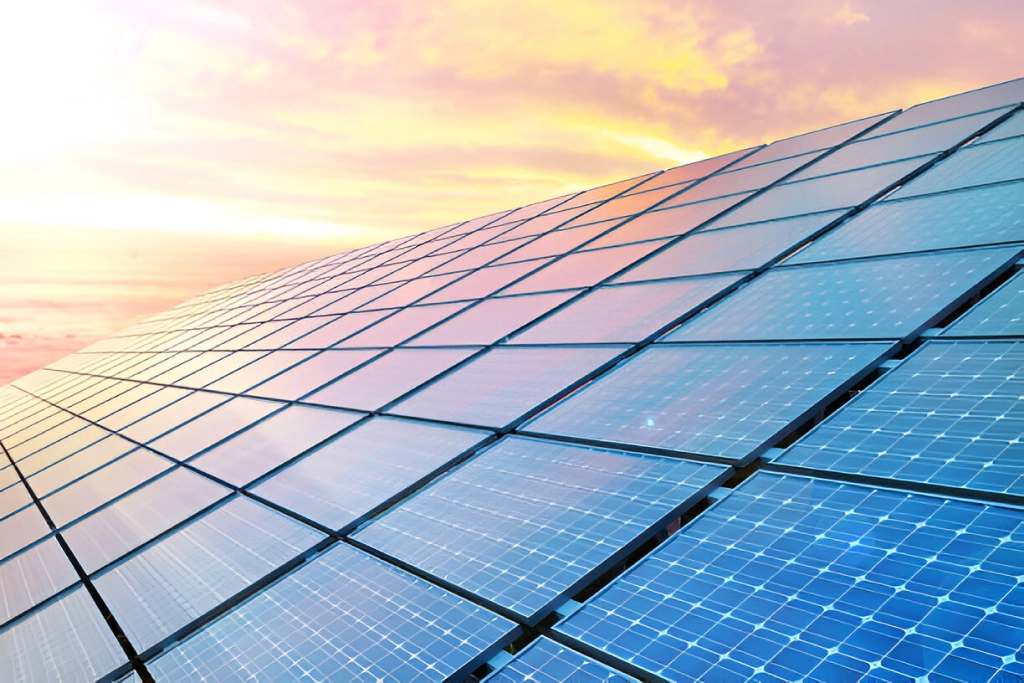
India is moving towards cleaner and more affordable energy, and rooftop solar power is becoming an increasingly practical option for households. For residents of Assam, the pm surya ghar muft bijli yojana assam offers an opportunity to install rooftop solar panels, reduce dependence on conventional electricity, and benefit from government financial assistance.
With rising electricity requirements in homes, particularly during Assam's hot and humid summers, solar energy can help households manage their monthly electricity expenses. The central government introduced this scheme to encourage residential rooftop solar installations and make renewable energy more accessible to ordinary families.
However, installing a solar system involves more than purchasing panels. Homeowners need to understand eligibility requirements, government subsidies, the application process, installation standards, and the steps required to activate their systems.
This guide explains how the PM Surya Ghar Muft Bijli Yojana works in Assam and what households should know before starting their solar installation journey.
The PM Surya Ghar Muft Bijli Yojana is a central government initiative launched to support residential rooftop solar installations across India. Its primary objective is to help eligible households generate electricity using solar panels installed on their rooftops.
Under this scheme, eligible residential consumers can receive central financial assistance for installing grid-connected rooftop solar systems. The generated electricity can be used within the household, while surplus electricity may be exported to the electricity grid according to applicable net-metering regulations.
The scheme aims to make rooftop solar more affordable while reducing conventional electricity consumption and supporting India's renewable energy goals.
For Assam residents, the scheme provides an opportunity to explore solar power without bearing the entire installation cost independently.
Assam receives sunlight throughout much of the year, making rooftop solar a useful option for many residential properties. Although weather conditions and seasonal rainfall affect solar generation, properly designed systems can produce electricity throughout the year.
Some important benefits include:
A rooftop solar system generates electricity during daylight hours. Households can use this electricity directly, reducing the amount of power they need to purchase from the local electricity distribution company.
The actual savings depend on system capacity, household consumption, sunlight availability, and electricity tariffs.
One of the biggest advantages is the central government subsidy available to eligible residential consumers.
For residential installations in Assam, the applicable central financial assistance follows the national scheme structure:
₹30,000 per kW for the first 2 kW.
₹18,000 for the additional 1 kW.
Maximum central subsidy of ₹78,000 for systems of 3 kW or higher.
These rates are subject to applicable scheme conditions and approved installation requirements.
Solar energy produces electricity without directly burning fossil fuels during operation. Installing rooftop panels can help households reduce their dependence on conventional electricity generation.
Generating electricity at home provides households with an additional source of power. However, a standard grid-connected rooftop solar system does not automatically provide backup electricity during grid outages. Battery storage or a suitable backup arrangement is required for that purpose.
Solar panels can operate for many years when properly installed and maintained. This makes rooftop solar worth considering for homeowners who want to manage long-term electricity expenses.
Residential consumers in Assam can apply for the PM Surya Ghar scheme if they meet the prescribed eligibility conditions.
The main requirements generally include:
The applicant must be an Indian citizen.
The applicant must be a residential electricity consumer.
The household should have a suitable rooftop for solar panel installation.
The electricity connection must be eligible under the scheme.
The applicant must not have already received another subsidy for the same solar installation.
The installation must comply with applicable technical standards and scheme requirements.
The scheme is primarily intended for residential electricity consumers. Commercial and industrial electricity connections are not eligible for the same residential subsidy.
Before applying, homeowners should confirm their consumer details and the applicable requirements with their electricity distribution company.
The application process is designed to be completed through the official national rooftop solar portal. Applicants should follow the prescribed process rather than arranging an installation independently before registration.
The first step is to register as a residential consumer through the official PM Surya Ghar portal.
Applicants generally need to provide:
State: Assam
Electricity distribution company
Consumer account number
Mobile number
Email address
After entering the required details, applicants can complete the registration process using the verification procedure provided on the portal.
Once registered, log in to the portal and submit the rooftop solar application.
Select the appropriate electricity distribution company and provide the requested consumer and installation details.
The application allows the electricity distribution company to review the proposed rooftop solar installation.
After submitting the application, the electricity distribution company evaluates the feasibility of installing a grid-connected rooftop solar system.
This assessment may consider the existing electricity connection, sanctioned load, distribution network capacity, and applicable technical requirements.
Applicants should wait for the required approval before proceeding with installation.
After receiving the necessary approval, choose an eligible vendor registered under the scheme for the relevant distribution company.
Before finalising the vendor, discuss:
Solar panel specifications
Inverter capacity and brand
Mounting structure quality
Installation charges
Warranty coverage
System performance
After-installation support
A professional site assessment is important because rooftop size, orientation, shading, and structural conditions can influence the final system design.
The selected vendor installs the rooftop solar system according to the approved technical requirements.
A typical residential installation includes solar panels, an inverter, mounting structures, electrical wiring, protection equipment, and the required grid connection arrangements.
In Assam, particular attention should be given to secure mounting structures and weather-resistant electrical components because the region experiences heavy monsoon rainfall and occasional strong winds.
After installation, the consumer must submit the required details through the portal and request inspection.
The electricity distribution company conducts the necessary inspection to verify whether the system meets the applicable technical and safety standards.
After successful verification, the required net meter or other approved metering arrangement is installed.
Net metering helps account for electricity imported from and exported to the grid, subject to the applicable regulations.
After the installation is commissioned and the required documentation and verification are completed, the consumer can submit the subsidy redemption request through the portal.
The applicant may need to provide bank account details and other prescribed information.
Once the claim is approved, the eligible subsidy is transferred directly to the beneficiary's bank account according to the scheme process.
Choosing the right solar capacity is important because an undersized system may not meet household electricity requirements, while an oversized system may increase the initial investment unnecessarily.
The following examples provide a general starting point:
| Solar Capacity | Approximate Daily Generation |
|---|---|
| 1 kW | 3–4 units |
| 2 kW | 6–8 units |
| 3 kW | 9–12 units |
These are indicative estimates, not guaranteed generation figures. Actual output depends on sunlight, weather, panel orientation, shading, equipment efficiency, and system maintenance.
For example, a household consuming approximately 8–10 electricity units per day may consider a 2–3 kW solar system after a proper site assessment.
Homeowners should review their previous electricity bills before deciding on the required capacity.
Although rooftop solar can provide substantial benefits, local weather and installation conditions should not be overlooked.
Solar panels require sufficient rooftop space and a structurally suitable mounting surface. Before installation, check whether the roof can safely support the panels and mounting equipment.
Assam experiences significant seasonal rainfall. Therefore, mounting structures, waterproofing arrangements, cable protection, and electrical connections should be installed carefully.
Nearby trees, buildings, water tanks, and other rooftop structures can reduce solar generation by creating shadows.
A site inspection can help determine the most suitable panel placement and orientation.
Always check the specifications and applicable warranties of solar panels and inverters. Make sure the equipment meets the relevant scheme and technical requirements.
Solar panels generally require limited maintenance, but periodic cleaning and inspection are important.
Dust, leaves, bird droppings, and other surface deposits can affect energy generation. Electrical connections and inverter performance should also be checked when necessary.
A rooftop solar installation is a long-term investment, so selecting the right installation partner is an important decision.
An experienced solar service provider can help homeowners understand system capacity, rooftop suitability, equipment selection, installation planning, and applicable documentation requirements.
Solar Prabha is a brand relevant to homeowners exploring solar energy solutions in Assam. When evaluating an installation provider, consumers should check its technical capabilities, vendor registration status under the applicable scheme, equipment specifications, installation practices, and after-sales support.
Homeowners should also request a clear quotation that separates equipment costs, installation charges, applicable taxes, and any additional expenses.
A transparent installation process can help prevent misunderstandings and make the transition to solar energy more straightforward.