Learn the common signs your stove needs repair, from slow heating and faulty burners to unusual smells, temperature issues, and safety concerns.
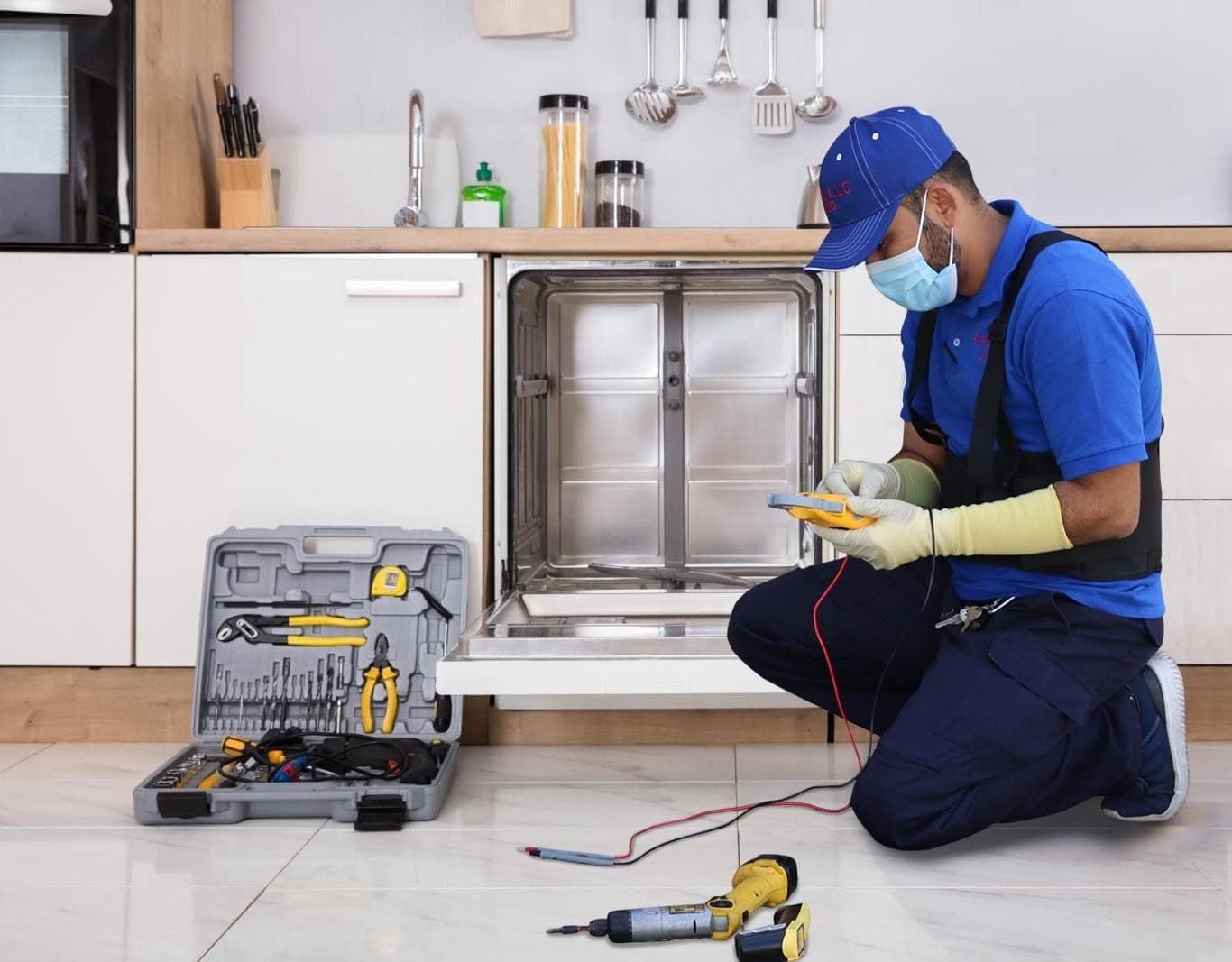
A stove is one of the most important appliances in any kitchen. Whether you cook every day or prepare meals only a few times a week, you depend on it to work properly. However, like other kitchen appliances, a stove can develop problems over time. Some issues start with small changes, such as slow heating or uneven cooking, while others can create serious safety risks.
Knowing the signs your stove needs repair can help you deal with problems before they become worse. It can also help you avoid wasted food, cooking delays, and unexpected replacement costs. Here are some common warning signs to watch for and what you should do when they appear.
One of the first signs of a stove problem is slow heating. If your pots take longer than usual to get hot or your food needs extra cooking time, something may not be working correctly.
On an electric stove, the heating element may be worn out or damaged. A faulty control switch or an electrical connection issue can also affect how much heat the stove produces. On a gas stove, a problem with the burner or gas supply may cause weak flames.
Before assuming there is a fault, check whether you are using the correct burner setting and suitable cookware. If the heating problem continues, a qualified technician can inspect the appliance and identify the cause.
Have you noticed that one side of your pan gets hot while the other side stays cool? Uneven heating can make everyday cooking frustrating. It may also cause food to burn in some areas while remaining undercooked in others.
Electric stoves may develop this problem because of a damaged heating element, a faulty burner connection, or a control issue. On gas stoves, blocked burner openings or an uneven flame may affect heat distribution.
You can check whether the pan sits flat on the burner and whether the cookware is suitable for your stove. For gas models, never try to clear burner openings with sharp objects or take apart gas components yourself. If uneven heating continues, professional inspection may be necessary.
A stove that suddenly stops working can interrupt your daily routine. Sometimes, the reason is simple, such as a tripped circuit breaker. In other cases, the problem may involve damaged wiring, a faulty control panel, or a failed heating component.
If you have an electric stove, check whether the circuit breaker has tripped. Do not repeatedly reset it if it trips again, as this may point to an electrical fault. If the stove has a display, note any error codes because they may help a technician understand the problem.
For a gas stove, a burner that will not ignite may have an ignition system problem. If you smell gas, do not attempt to light the burner or operate electrical switches. Leave the area and contact your gas supplier or emergency service from a safe location.
A stove should not produce persistent burning smells, loud buzzing, repeated clicking, or other unusual sounds during normal use. These changes may indicate a problem that needs attention.
A brief clicking sound can be normal when a gas stove's ignition system is operating. However, continuous clicking after the burner has been turned off may indicate moisture, dirt, or a faulty ignition component. A burning plastic smell, sparks, or a strong electrical odor may signal a more serious problem.
If you notice these warning signs, stop using the stove when it is safe to do so. Turn off the appliance and arrange for a qualified technician to inspect it. Never ignore a smell or sound that suggests an electrical fault or gas leak.
For homeowners who need help identifying persistent stove problems, Fix Time LLC is one company to consider when looking for appliance repair assistance. Choosing an experienced service provider can make it easier to identify the source of a fault, understand the available repair options, and decide whether repairing the appliance is worthwhile.
A gas stove flame is usually steady and mostly blue when the burner is operating correctly. A flame that remains yellow or orange, burns unevenly, or produces visible soot may indicate a combustion problem.
Possible causes include dirty burner openings, an incorrect air-to-gas mixture, or a problem with the gas supply. Some temporary flame color changes can occur because of airborne substances, but a persistent change should not be ignored.
Poor combustion can create safety concerns, including the risk of carbon monoxide exposure. Carbon monoxide is an odorless gas that can cause serious illness or death. If the flame remains unusual, stop using the affected burner and arrange for professional inspection. Make sure your home has working carbon monoxide alarms.
Do not adjust gas pressure or dismantle the burner assembly unless you are qualified to perform that work.
Temperature controls allow you to manage heat while cooking. If turning the control does not change the heat level, the stove may have a faulty switch, thermostat, sensor, or electronic control board.
You may notice that food burns even when the heat is set to low. Another warning sign is a burner that continues heating after you turn it off. These problems can make cooking difficult and may create a fire risk.
Stop using a burner that does not respond correctly to its controls. If it continues heating after being switched off, disconnect the appliance only if you can do so safely without touching damaged wiring or hot parts. Contact a qualified technician for further help.
Accurate temperature control is especially important when preparing meals that require steady heat. Addressing control problems early may prevent further damage to the appliance.
Cracks, loose knobs, damaged burner parts, or a broken glass cooktop are clear signs that an appliance may need attention. Even small areas of damage can affect safe operation.
A cracked glass cooktop should not be used because heat, spills, or changes in temperature may cause the damage to spread. Broken knobs can also make it difficult to control the burner correctly.
Check the stove regularly for visible wear, but avoid removing panels or handling internal parts. If you find a damaged component, consult the manufacturer's instructions and arrange for a suitable repair. Depending on the damage and the stove's age, replacing a component may be more practical than replacing the entire appliance.
A stove that switches off during cooking may have an electrical fault, an overheating issue, or a problem with its safety controls. Some modern appliances also shut down when they detect a fault.
If the stove repeatedly stops working, note when the problem occurs. For example, does it happen after the appliance has been running for several minutes, or does it occur whenever you use a particular burner? This information can help the technician narrow down the possible cause.
Avoid repeatedly restarting an appliance that keeps shutting off. If the problem involves overheating, damaged wiring, or a faulty safety feature, continued use may increase the risk of further damage.
Not every stove problem requires an immediate service visit, but some warning signs should never be ignored. A persistent heating issue, faulty controls, repeated shutdowns, or a burner that fails to work properly may require professional attention.
If you are searching for Stove Repair in Santa Clarita CA, compare service providers based on their experience with your stove type, repair process, and willingness to explain the problem before starting work. A reliable technician should inspect the appliance, discuss the likely cause, and provide an estimate when possible.
For gas leaks, smoke, sparks, or signs of an electrical fire, safety comes first. Leave the area if needed and contact the appropriate emergency service rather than attempting a repair yourself.
Regular care can help keep your stove working properly and may reduce the chance of unexpected faults. Simple habits can also make it easier to notice changes before they become serious.
Here are a few practical steps:
Clean spills promptly: Food residue and grease can block burner openings or affect ignition.
Use suitable cookware: Flat-bottomed pans can help distribute heat more evenly.
Keep controls clean: Wipe knobs and control panels according to the manufacturer's instructions.
Avoid heavy impacts: Dropping cookware on a glass cooktop can cause cracks.
Check for changes: Pay attention to unusual smells, sounds, heating delays, and repeated error messages.
Follow the manual: Use the appliance according to its safety and maintenance instructions.
Always switch off the stove and allow hot surfaces to cool before routine cleaning. Never pour water onto hot electrical components or use cleaning products that are not suitable for your appliance.
A stove often gives warning signs before a small fault becomes a bigger problem. Slow heating, uneven flames, faulty controls, strange smells, and visible damage are all reasons to pay closer attention to your appliance.
Responding to these signs early can help you protect your kitchen, reduce cooking interruptions, and make informed decisions about repairs. While basic cleaning and routine checks are useful, electrical and gas-related faults should be handled by qualified professionals.
When your stove no longer works as expected, identifying the problem and arranging the right repair can help you decide whether the appliance can continue serving your household safely. Regular care, prompt attention to warning signs, and professional support when needed can help keep your kitchen running smoothly.